Based on an Untrue Story: ‘The Buddy Holly Story’ Both Invented and Broke the Rock Biopic
The 1978 movie pioneered a new subgenre. It also set a low bar for music biopics needing to tell the truth.

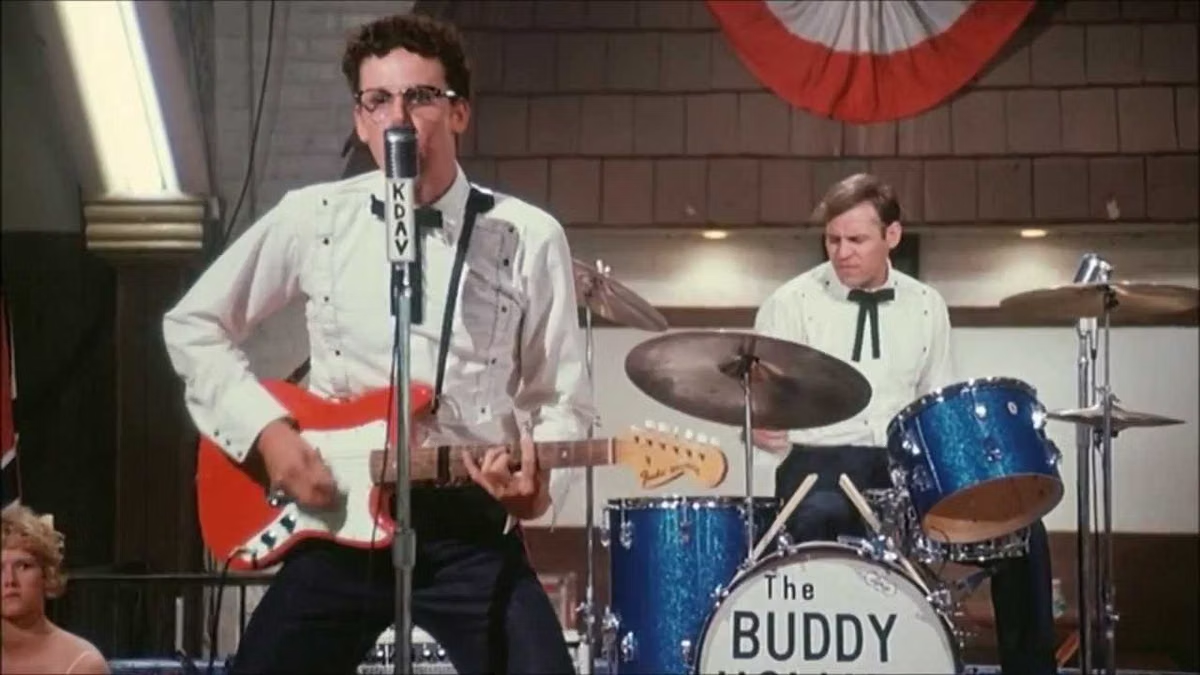
A handheld camera follows a handful of teens onto the floor of a Lubbock, Texas roller rink as a trio prepares to take the stage. Before the night has ended, the group, not yet known as the Crickets, will shift from competently performing some leisurely paced country tunes that the skaters largely ignore to a less familiar mode, playing in the pounding, high-energy style of music that was not yet known as rock and roll. The kids love it, but the radio station broadcasting the show fields angry calls from sponsors. The next day, a local preacher condemns these sinful new sounds as the band’s leader, Buddy Holly (Gary Busey), seethes. Later, his parents inform him it’s time to give up on this “jungle music” and get on with his life. He refuses.
So begins The Buddy Holly Story, a biopic of the ill-fated music legend that enjoyed considerable success and acclaim in 1978, even earning Busey an Oscar nomination for Best Actor. It’s a compelling opening, too, one that makes Holly a misunderstood underdog who believed in himself when no one else did and rebelled against stifling 1950s mores. It’s also mostly nonsense. “Buddy was close to his pastor, the Reverend Ben Johnson, and he was a member of the Tabernacle Baptist Church,” Holly’s mother Ella told Rolling Stone at the time of the film’s release, before adding that he gave 10 percent of his earnings to the church and discussing how supportive and encouraging both she and Buddy’s father were of their boy before he became a star. But where’s the drama in that?

This post is for paying members only
Sign up now to read the post and get access to the full library of posts for subscribers only.
✦ Sign up