Ghosts of Video Stores Past
The Alex Ross Perry documentary ‘Videoheaven’ and an accompanying Criterion Channel series explore our sometimes fraught relationship with videotapes and the stores that rented them.

I can still remember my last trip to the neighborhood video store. It was some time in the late-’10s and the store was Select Video, a small shop in Chicago’s Andersonville neighborhood that had somehow clung to life long after its competitors, both corporate and independent, had disappeared. I remember, in Select’s later years, asking one of the employees something like, “Why do you still exist?” (albeit I’m sure I phrased the question more politely). He said something about the rent being affordable and the owner running a tanning bed business profitable enough to keep Select’s two locations afloat. But not, it would seem, indefinitely. On this day, the last day it would be in business, I came not to rent but to bury the place. Select Video would soon be no more.
I liked the store, though I only occasionally patronized it after my first few years in Chicago, making me part of the problem. Like just about everybody else, I fell out of the video store habit thanks to a combination of Netflix (the movies-by-mail incarnation), cheap DVDs and Blu-rays (in addition to the many review copies I received), and, later, streaming. On this last day, I wanted to pay my respects and also take advantage of the situation by picking up some cheap movies via the store’s going-out-of-business sale. It was a gesture of tribute, but one with a touch of ghoulishness.
As I perused the movies, all still on display in their proper place as if waiting to be rented, grabbing whatever I thought I might have a hard time finding elsewhere,* I started to feel ill at ease. Not because the store felt weird but because it felt, well, normal, just disconnected from time. On the screen, a movie that no one paid much attention to was playing. Behind the counter sat a clerk obviously hardened by years of fielding patrons’ questions. Customers milled about a cramped space that used every available inch of shelf space to house titles separated into the traditional categories like “Drama” and “Musical” on wire racks. It all seemed incredibly familiar, like video store business as usual. But it also felt like the last time I’d ever have this experience. It was already past closing time, not just for this store but for the habits and culture built around it, and others like it, over the years.
(* A confession: I still have not revisited the ’80s cable staple The Pirate Movie starring Kristy McNichol and Christopher Atkins.)
The Reveal is a reader-supported newsletter dedicated to bringing you great essays, reviews and conversation about movies. If you are not paid subscriber, we would love for you to click this button below and join our community.
I know there are stores still out there, like Cinefile in Los Angeles, Scarecrow Video in Seattle, Four Star Video Cooperative (my long-ago employer) in Madison, WI, and Chicago’s Facets (which has always been more than a video store) and their continued existence cheers me. But these are special places. Select Video was, if not the last of its kind, the last of its kind I’d ever encounter: a good but decidedly unspecial neighborhood video store.
It was a place that had outlived its moment. I was reminded of that final visit to Select Video last fall after the death of the writer Kaleb Horton. Among the outpouring of appreciation and links to Horton’s best work (including some that now existed only on the Internet Archive, having been wiped by a corporation that couldn’t care less about preserving such material) was a 2017 Facebook post writer Ned Raggett resurfaced in which Horton detailed a visit to a soon-to-be-shut-down Toys “R” Us to pick up a Nintendo explaining that the store:
was actually the best place to obtain one, because it’s no longer a place children beg their parents to take them to. When we went in, wham, there it was. The ghost of 1996. I was 8 years old, for a fraction of a second. The feeling wasn’t nostalgia, it was a kind of temporal dislocation. A confusion. But it wasn’t an immaculate 1996, it was a fading 1996. It was lonelier than I remember it.
This whole way of watching movies, and for some of us it was virtually a way of life, died long before it fully disappeared. But as much as we yearn for the local video store, it belonged to a different time, one that, like all past eras, is never coming back and wouldn’t feel right or welcoming if it somehow did.
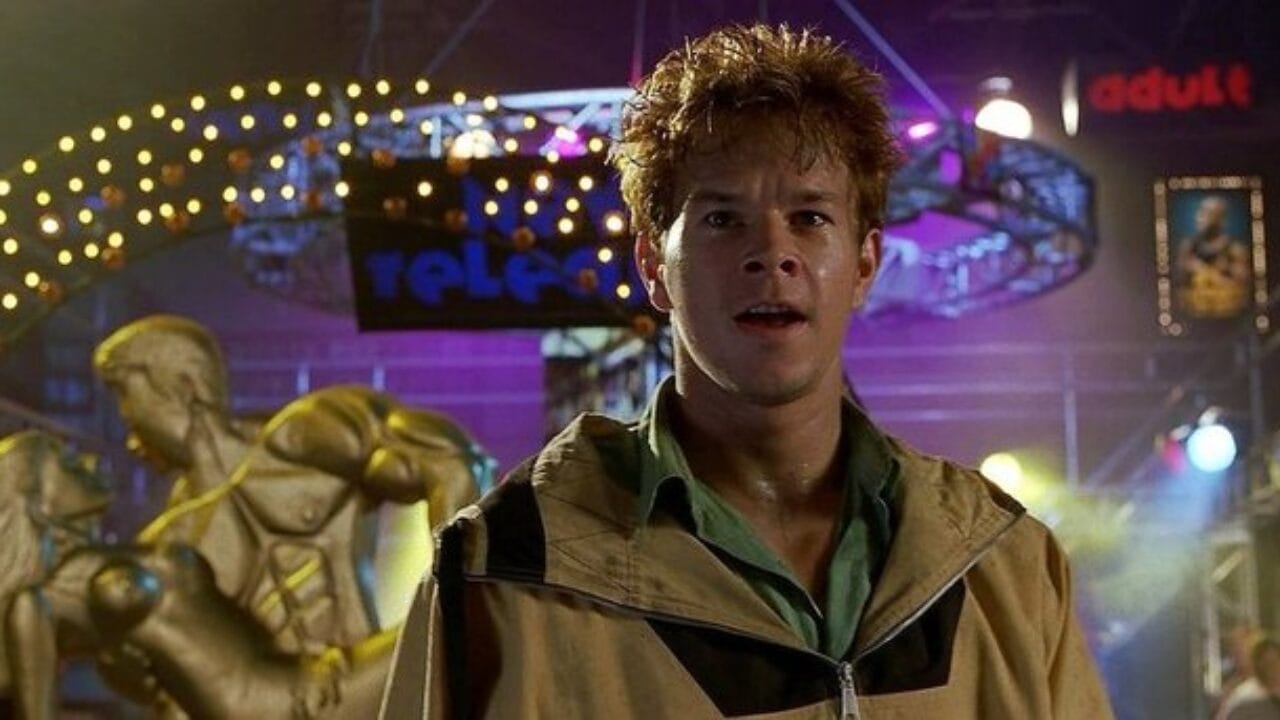
Currently playing on the Criterion Channel, Alex Ross Perry’s 2025 documentary Videoheaven feels like bathing in that bittersweet realization for three hours. Partly inspired by Daniel Herbert’s Videoland: Movie Culture at the American Video Store, a history of video stores and those who patronized them, Perry’s film traces the history of the video store via its depiction in films and on television. Over the course of the film, clips include everything from sterile corporate outlets—Perry opens the film with Ethan Hawke delivering the “To be or not to be” soliloquy in a Blockbuster, as seen in Michael Almereyda’s 2000 adaptation of Hamlet—to obvious studio constructions, like the warehouse-sized store that serves as a fight scene location in Kirk Wong’s The Big Hit to the sort of semi-structured, poster- and standee-laden mom-and-pop store that popped up across the United States in the early 1980s, many of them captured as they really were by low-budget filmmakers shooting on location.
Perry’s film has an elegiac, almost wistful quality to it when discussing actual video stores, but one of Videoheaven’s most striking qualities is the absence of warmth found in depictions of such places. A stretch devoted to the 1990s finds example after example of video stores being portrayed as sites of discomfort and embarrassment. What if someone catches you renting porn or thinks they catch you renting porn? What if an employee looks down on your choices? (And what if he was played by David Spade?) What if you can’t find the movie you want, even after asking for help? What if you unfairly had to pay a late fee? “The litany of humiliations awaiting you at the video store knew no end,” Videoheaven’s narration, supplied by Maya Hawke, observes. Why, Perry asks, do those making movies seem to hate one of the places where those movies are consumed?
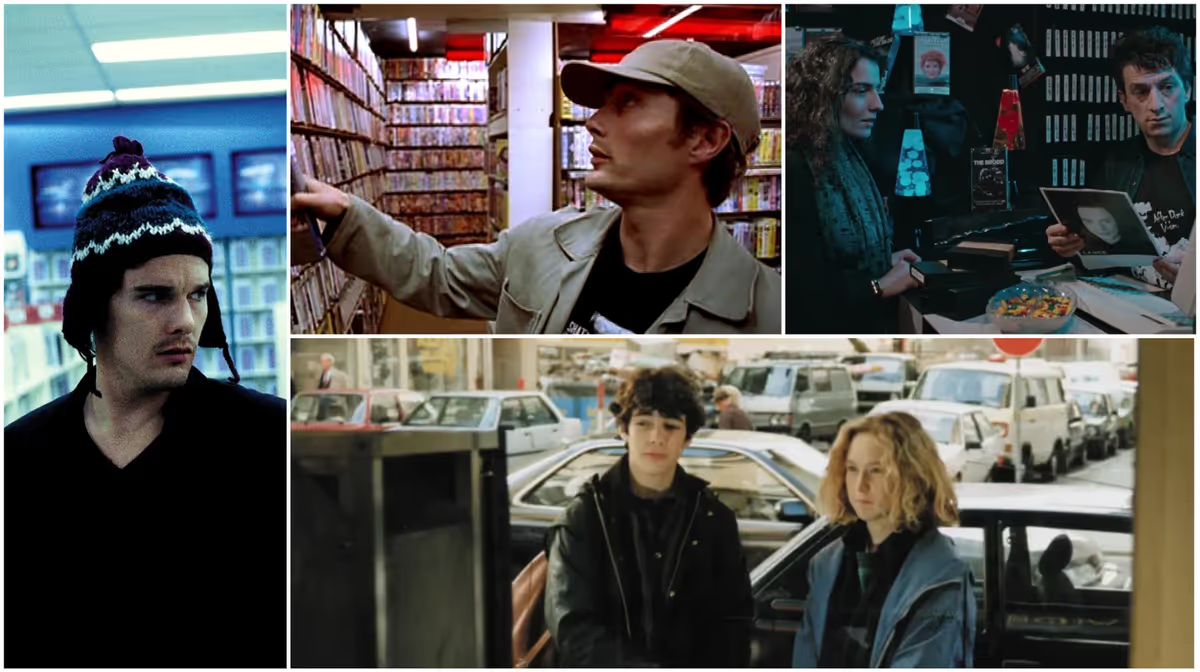
But the discomfort with video stores and their product both predates these ’90s clips and runs deeper than the mere fear of embarrassment. As with every new technology, home video inspired fear. Criterion has included Videoheaven as part of its “VHS Forever” selection. It’s not, by and large, a collection of films filled with cheer. There’s Videodrome,** of course, in which the intimacy of home viewing and tacticity of physical media leads David Cronenberg to explore the merger of what we watch, how we watch it, and who we are. You’ll also find video stores playing host to the obsessive, even murderous, characters that populate Atom Egoyan’s Speaking Parts, Michael Haneke’s Benny’s Video, and Nicholas Wending Refn’s Bleeder—lonely, sometimes lost souls for whom video becomes both an escape and a snare.
(** Pedantry: Actually, Videodrome features Betamax tapes, not VHS.)
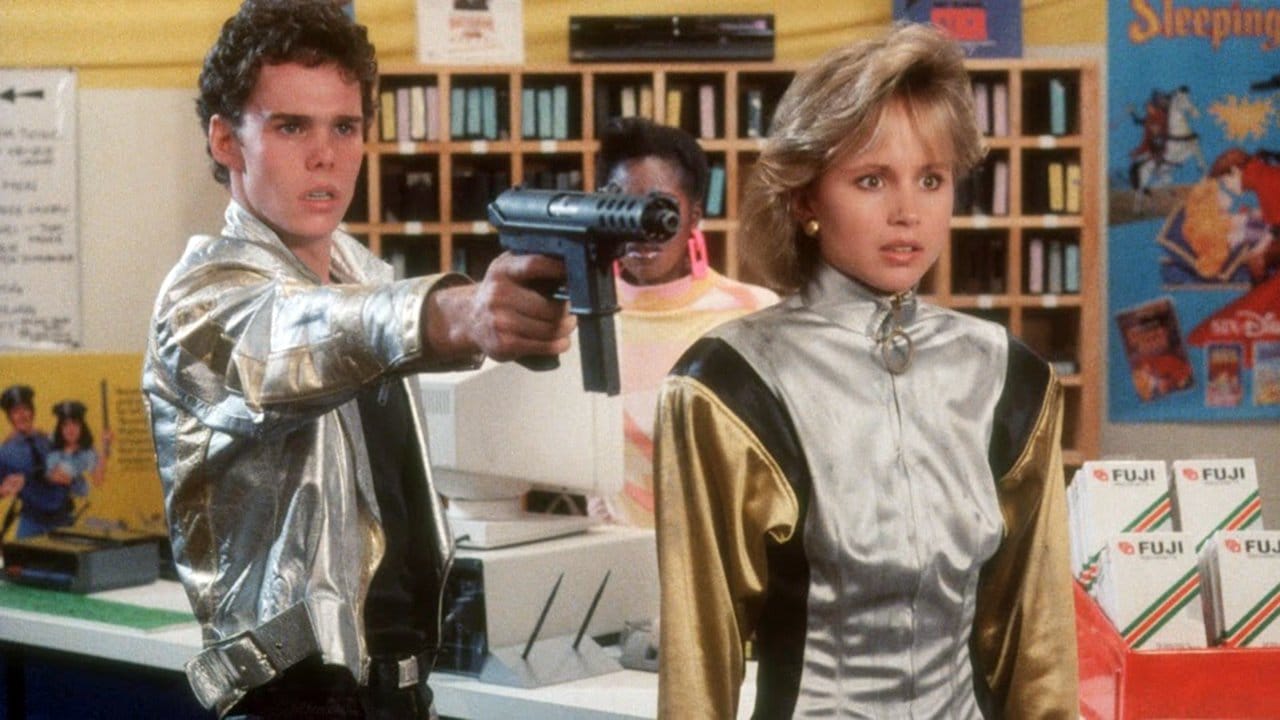
There’s also, naturally, Ringu and its American remake The Ring, the latter released in 2002 at pretty much the last possible moment a VHS tape, cursed or otherwise, could be treated as a recognizable everyday object.*** Near the other end of the video store timeline is Jeff Lieberman’s 1988 film Remote Control starring Kevin Dillon as a video store clerk who becomes aware of a sinister alien plan to take over the Earth by turning viewers of a 1950s science fiction film (also called Remote Control) into murderers. The winking film-within-the-film features characters living in a 1950s vision of the 1980s, a place of automated gizmos where, believe it or not, technology made it possible to watch movies in the comfort of your own home.
(*** In retrospect, these films anticipate the dark side of what happens when something goes viral online, a possibility explored in the otherwise unremarkable 2017 sequel Rings.)
Yet the realization of that dream, as seen in Lieberman’s film, involved crowded stores, rude customers, and frequently out-of-stock titles. It was as if those living in the real 1980s were realizing that wishes made in the 1950s had come true but they kind of sucked. But what’s most striking now is the ubiquity and variety of video stores, as Dillon’s character and his friends scramble to retrieve every copy of the deadly videotape circulating in the area. One’s in a converted movie theater lobby. Another’s in a mall. They’re everywhere!
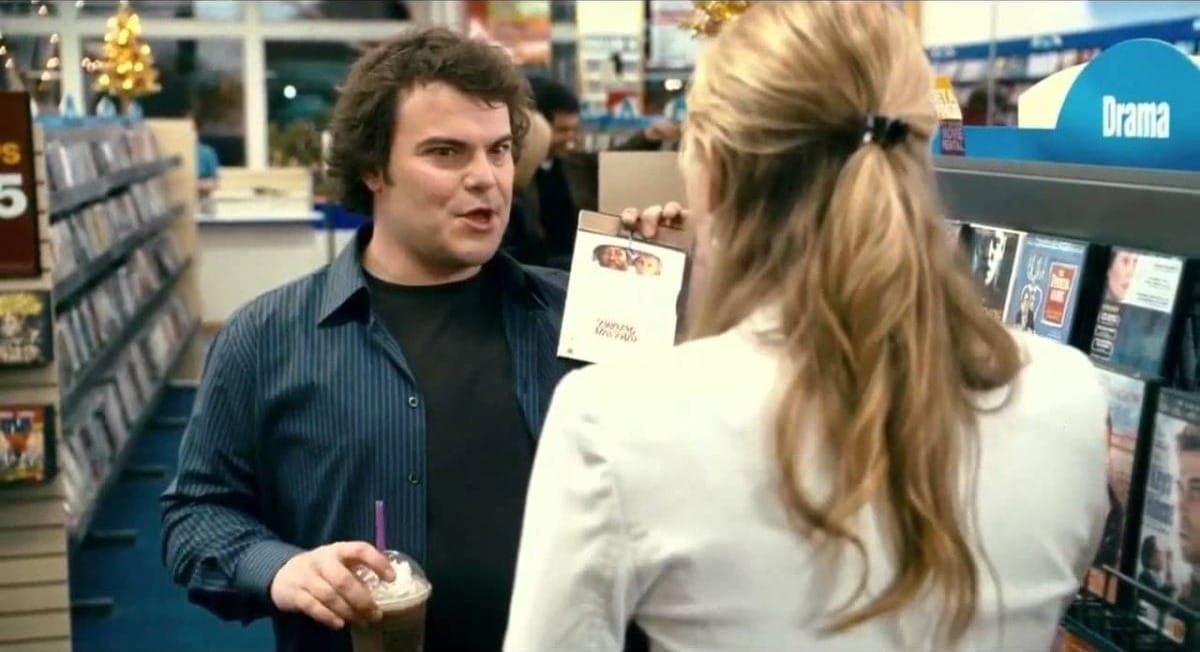
And now they’re nowhere. The most prominent images of video stores in the latter days of their depictions, in films like Hamlet, Ghost World, The Holiday and This Means War, are of the interchangeable, spacious, and brightly lighted chain stores that dominated the market in video stores’ final era. Unruly and independent in the early days of their existence, video stores had became bland, functional spaces. It’s almost as if we tamed them, pushing their final incarnations into familiar, definable shapes, like outlets of The Gap or Walgreens. They couldn’t frighten us anymore.
It’s notable that Perry feels compelled to open his film with a chapter asking “What Was the Video Store?” Many now living have never stepped foot inside of such a place, whose heyday began in the early ‘80s and stretched no further than the early ’00s, a slim slice of the final decades of the 20th century and the first years of the 21st. For those of us who did live with them, it’s only now, in retrospect, that we can realize how much we wish they were still here, that maybe, whatever mixed feelings they might have once inspired, we even loved them.
Sometimes, when I’m having trouble sleeping, I’ll try wandering through spots from my past in my mind, including video stores like the first one where I had a membership, David G’s, a wondrous place with a papier maché “Cave of Horror,” a table covered in movie guides and copies of Premiere, and a Cult Films section that helped shape my taste as a young renter. The shelves were never alphabetized and the films’ containers came in all shapes and sizes, from the oversized cardboard boxes and puffy plastic clamshells (telltale signs that this was an older tape or one released by a budget distributor or a Disney movie) to novelty items, like boxes that would “talk” to you. The store’s chaos invited shoppers to linger and explore. I spent hours there, but I can’t go there anymore, just as you can’t go to your favorite video store anymore, except in memory. Whatever they were, whatever they meant, they can only haunt us now.

Discussion