Sundance 2026 (As Seen From a Chicago Basement Couch)
Night nurses! Nuisance bears! Shaking booties!: Here's what we saw while covering the 2026 Sundance festival from a distance.

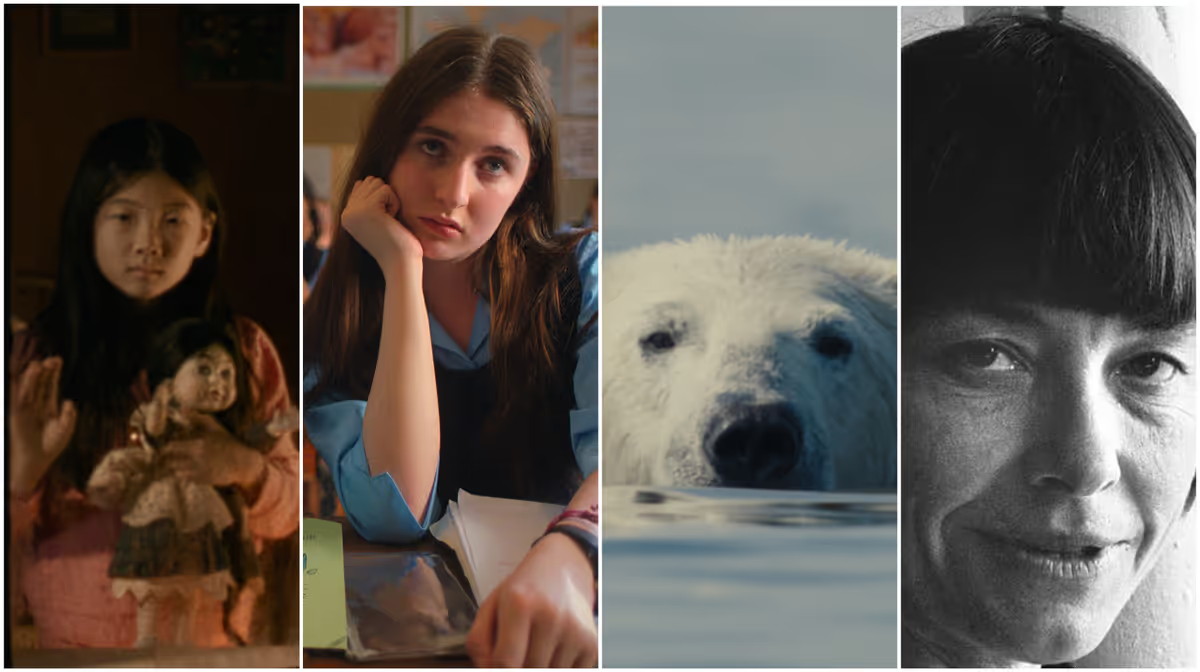
I’d love to offer some thoughts on the Sundance Film Festival leaving its longtime home in Park City, Utah but you’re better off reading others for some thoughtful reflections on that change. I attended the festival in person once, in 2000, though if you only went once that wasn’t a bad year to go, thanks to the premieres of, among other now-revered films, You Can Count on Me, The Virgin Suicidesm and Love & Basketball. It was a great experience and I’m sorry that I never got the opportunity for a return trip, though I hope to be able to attend in person next year, when the fest moves to Boulder, Colorado.
Still, I’ve been virtually attending Sundance since the pandemic-stricken festival of 2021, and I have few complaints about the experience. Every year I get to hole up for a few days and binge new movies, though the number of films offered online has dropped in the years since the pandemic restrictions were lifted, which is understandable. So while I wasn’t able to take in some of this year’s buzziest titles—The Invite, The Only Living Pickpocket in New York, The History of Concrete—I was able to watch quite a bit. I also liked much of what I saw, though this year’s offerings were a bit shorter on titles that feel truly remarkable than some previous years. (Then again, there’s a lot I didn’t see, so that probably doesn’t reflect the festival overall.) Here are some thoughts on what I saw, starting with the one movie I know I’ll be talking about all year.
Josephine
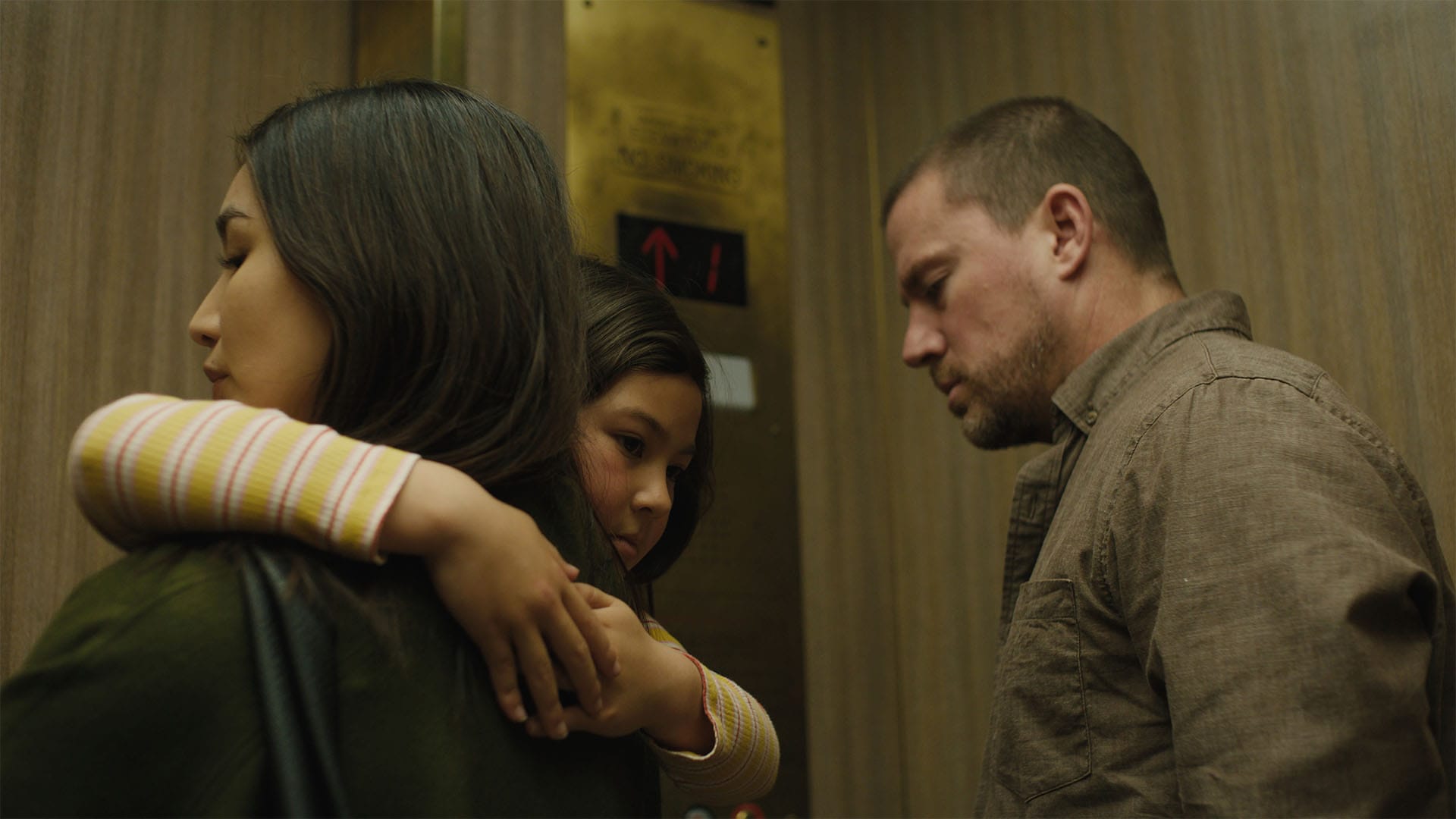
While separated from her father Damien (Channing Tatum) during an early morning jog in a San Francisco park, eight-year-old Josephine (Mason Reeves) witnesses a rape. Jospehine struggles to understand what she’s seen and neither Damien nor his wife Claire (Gemma Chan) are prepared to deal with the event’s aftereffects, because what parent could be? Writer and director Beth de Araújo (Soft & Quiet) brings remarkable assurance and disciplined, unnerving style to this second feature. Most scenes remain locked into Josephine’s confused perspective and sometimes bend reality to reflect it, as Josephine is prematurely forced to reckon with the presence of evil and danger in the world. Tatum and Chan are excellent but the film couldn’t work without Reeves’ extraordinary performance. Josephine is one of a small handful of films to win both Sundance's Grand Jury and Audience honors and it’s not hard to see why.
Filipiñana
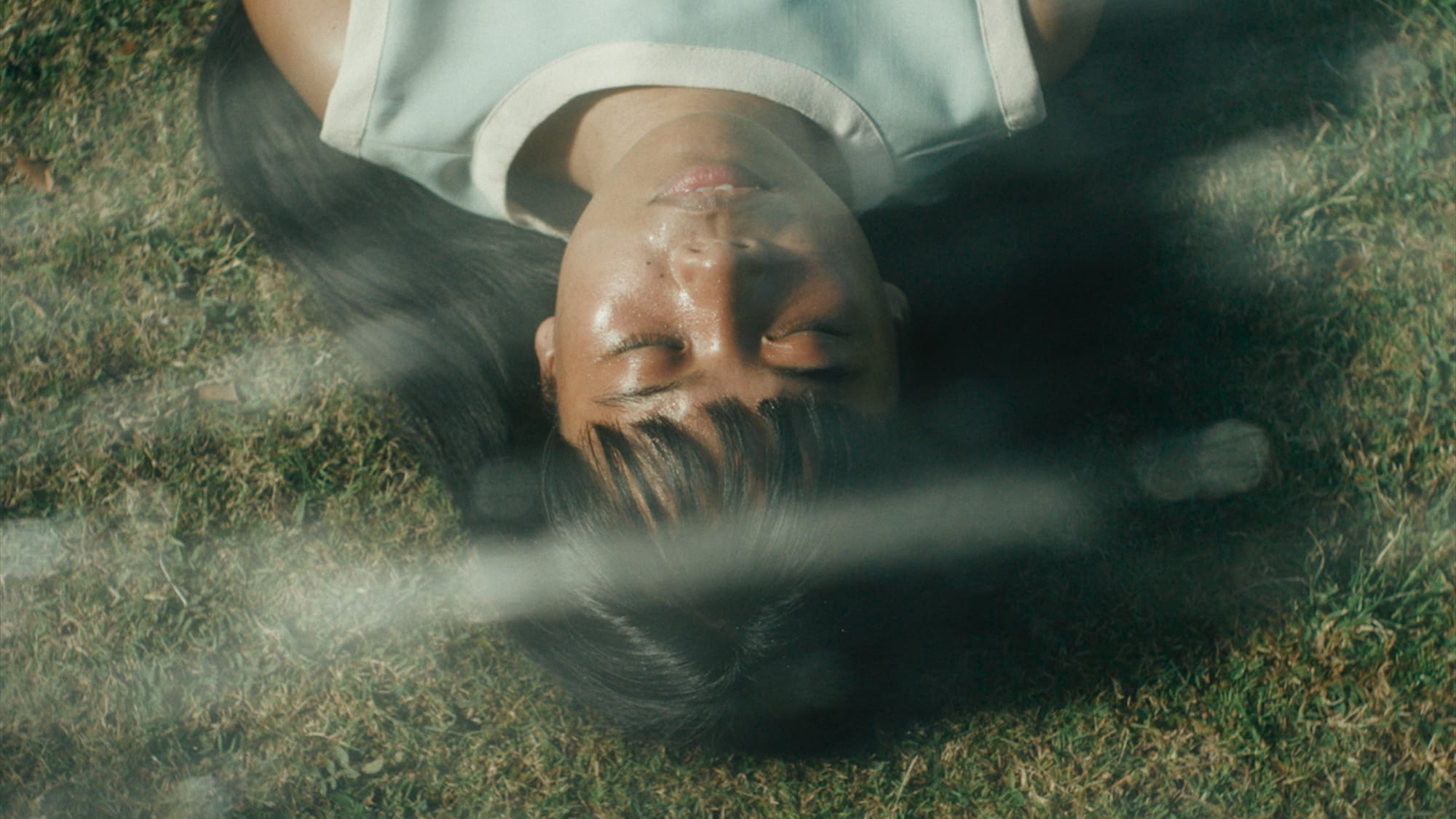
An exclusive country club becomes a stand-in for the state of the nation in this first feature form Rafael Manuel, a dry, unsparing, darkly funny expansion of an earlier short. Jorrybell Agoto stars as Isabel, a 17-year-old “tee girl” whose job is just what it sounds like: placing balls on tees for wealthy club members. She performs it with what appears to be deadpan stoicism—at least at first—then wanders off to explore, in the process revealing much about the establishment and the economic disparity that allows it to exist. Manuel’s unhurried pace and commitment to long takes feels more effective as the film progresses, the images grow stranger, and the rot beneath the gleaming surface becomes harder to hide.
The Reveal is a reader-supported newsletter dedicated to bringing you great essays, reviews and conversation about movies. If you are not paid subscriber, we would love for you to click this button below and join our community.
Time and Water
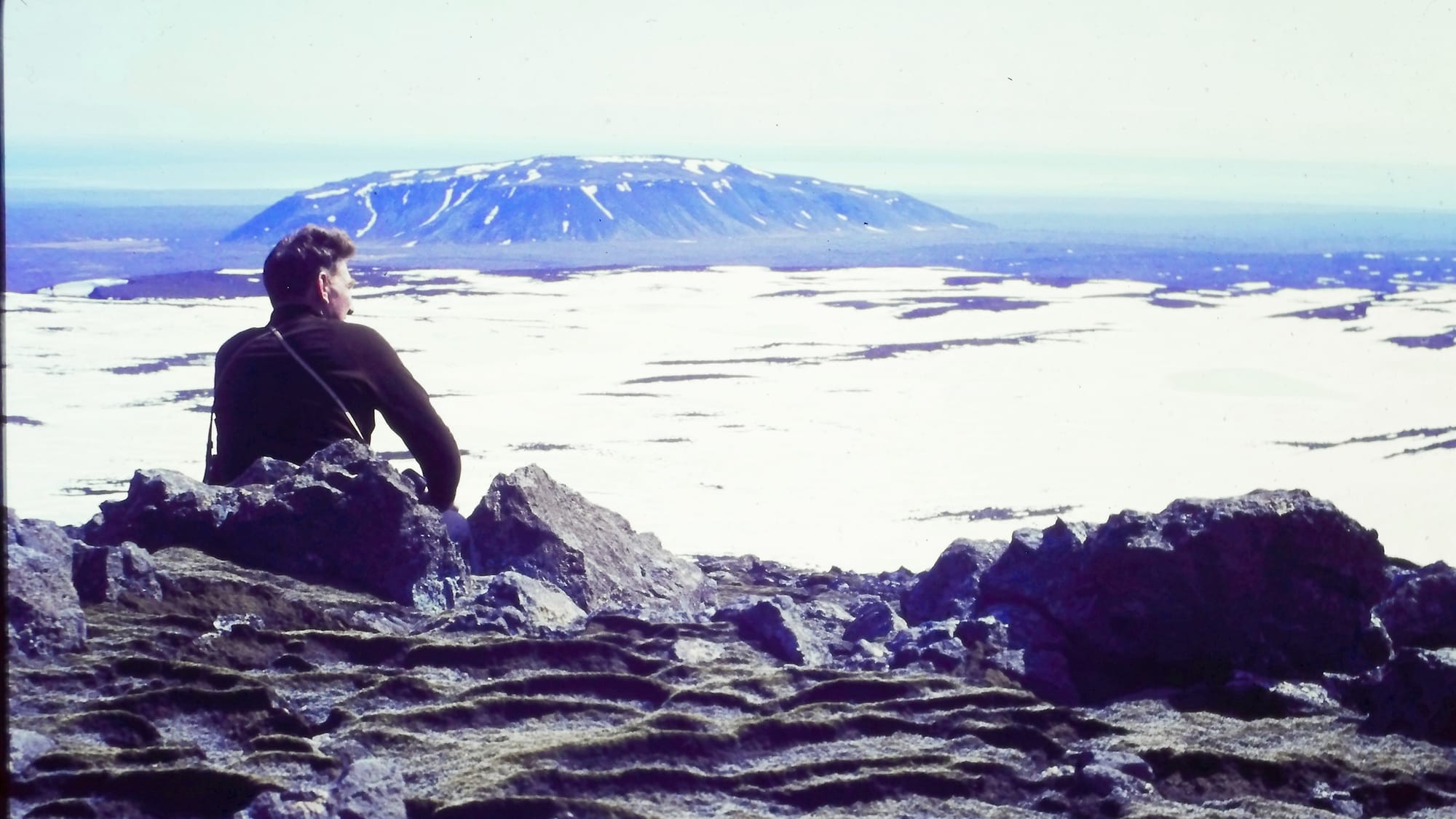
Sara Dosa’s follow-up to her 2022 documentary Fire of Love shifts the focus from fire to ice. Specifically, Time and Water concerns the glaciers of Iceland, which serve as a jumping off point for the lyrical and sobering reflections of Andri Snær Magnason, an Icelandic writer / playwright / filmmaker / one-time presidential candidate charged with the task of writing a eulogy for the first glacier to be declared dead thanks to climate change. Magnason describes Time and Water as a cinematic time capsule for future generations, one in which he considers the passing of time via glacial extinction and the death of his grandparents, enthusiastic glaciologists who lived long enough to see the threats to the glaciers they love made real. As with Fire of Love, Dosa mixes stunning nature footage with personal moments from her subject’s life. And, as before, it’s light on proper science but heavy on lyrical, big-picture ruminations that draw the lives of a handful of people into the larger story of a changing planet.
Bedford Park
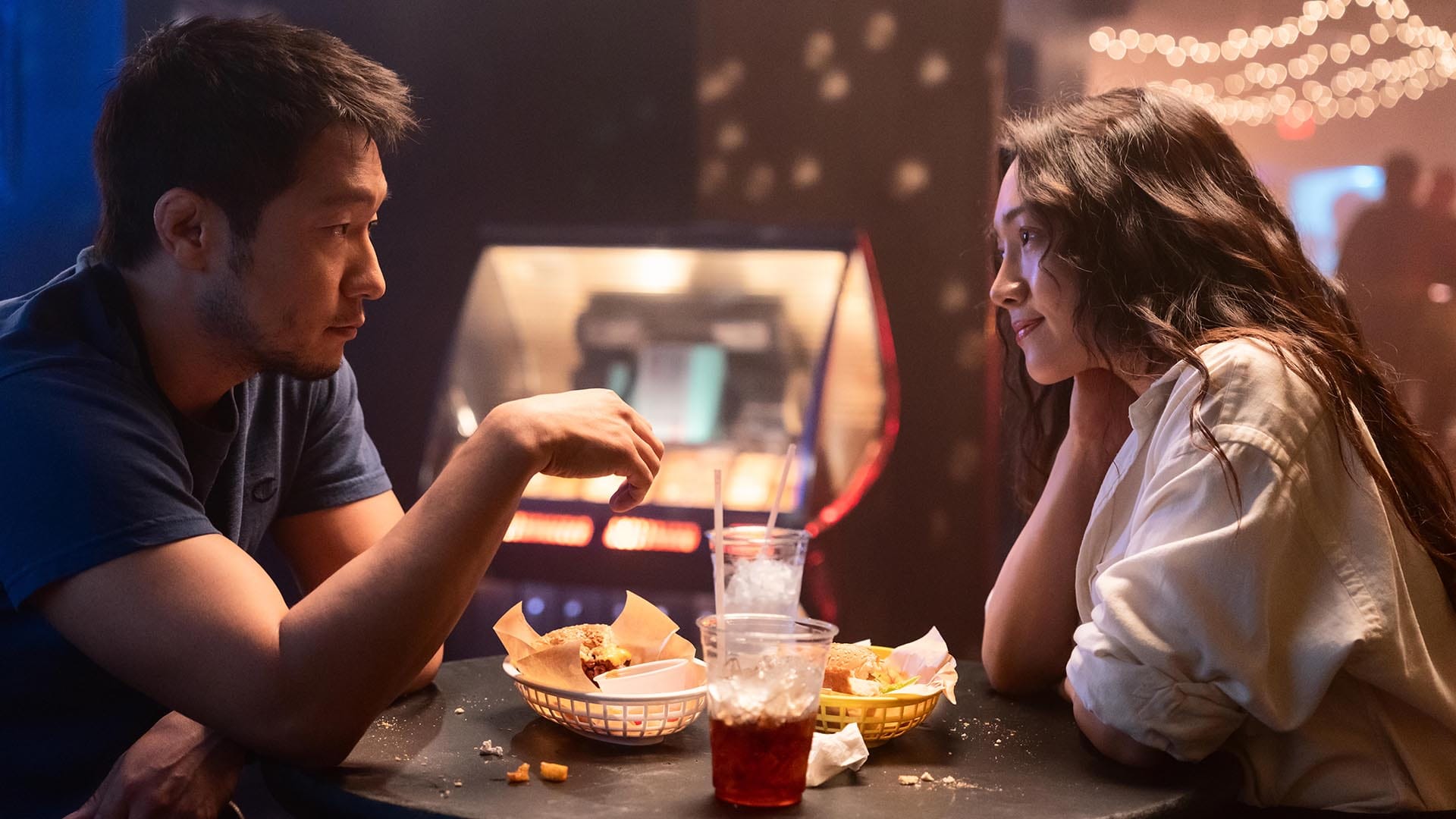
What defines a “Sundance film” has changed a lot over the years, so it’s something of a relief to see that some films still match the oldest definition. Writer-director Stephanie Ahn’s feature debut is an intimate, regionally and culturally specific indie drama that sometimes makes up in emotional depth and thoughtful performances what it lacks in flash. Moon Choi and Son Suk-ku star as, respectively, Audrey and Eli, two second-generation Korean Americans who’ve reached the far end of their thirties without really figuring out what they want to do. When a car accident brings them together and forces Audrey to return to a childhood home laden with bad memories, they start an unlikely friendship that causes each to reflect on where they came from and where they want to go next. The pace drags at times but Ahn provides a sturdy frame for her leads’s fine work.
Take Me Home
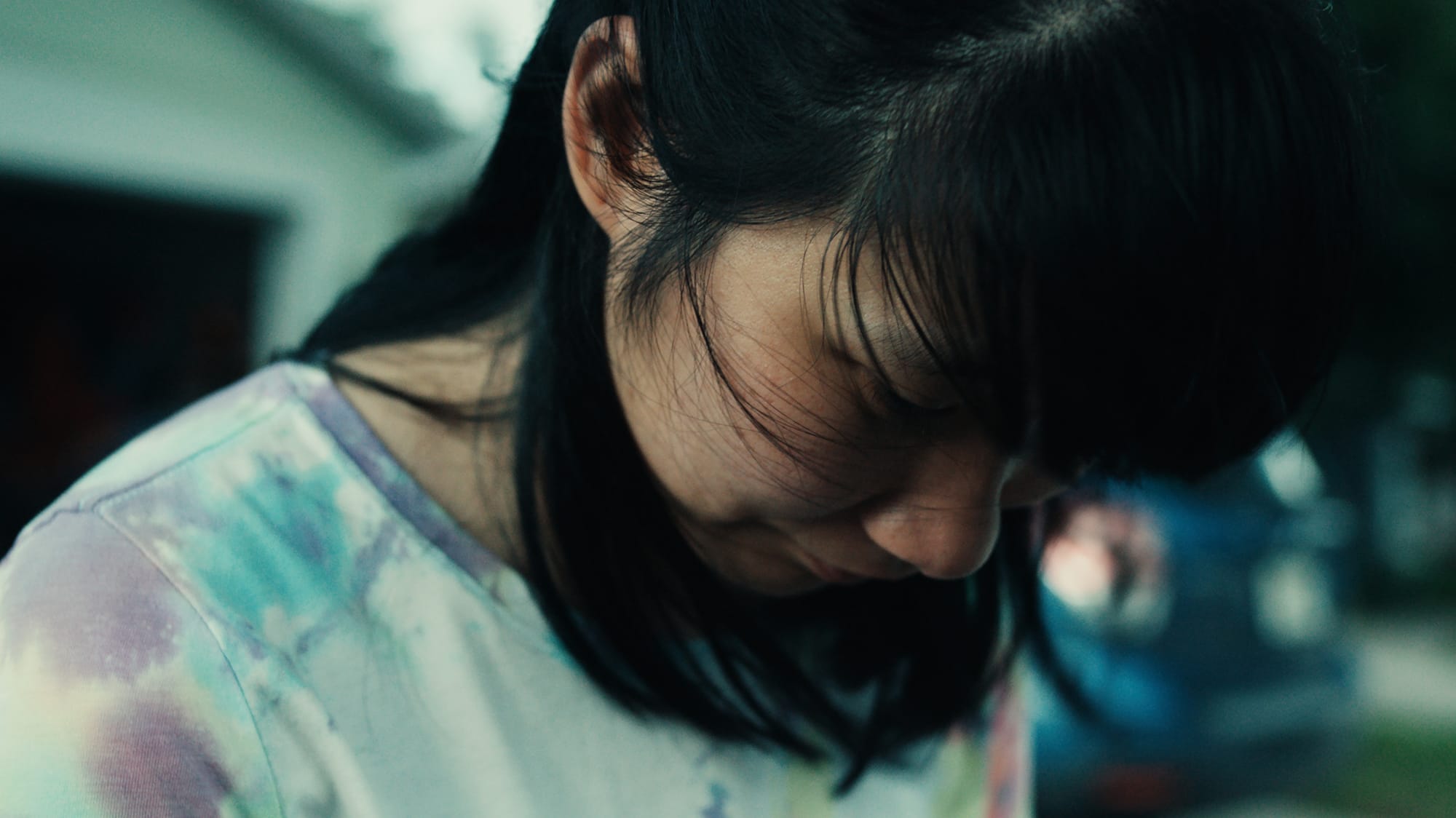
Somewhat in the same tradition, Liz Sargent’s directorial debut is set in the Orlando suburbs where Anna (Anna Sargent), a woman in her thirties with a cognitive disability, lives with her aging parents. When her mother (Marceline Hugot) unexpectedly dies, Anna’s left alone with her father (Victor Slezak), whose slide into dementia limits his ability to care for her. Inspired in part by the filmmaker’s own background—Anna is the director’s sister and both are Korean adoptees—the film becomes driven by a Make Way for Tomorrow-like real-world urgency once it becomes clear just how few options Anna and her father have for affordable care and the dire outcomes waiting for them should they fail to find it. As a drama it’s a bit underdeveloped, but Anna Sargent’s charming, openhearted presence helps keep it lively and her character’s vulnerability makes it hard to forget what’s at stake.
Ha-Chan, Shake Your Booty!
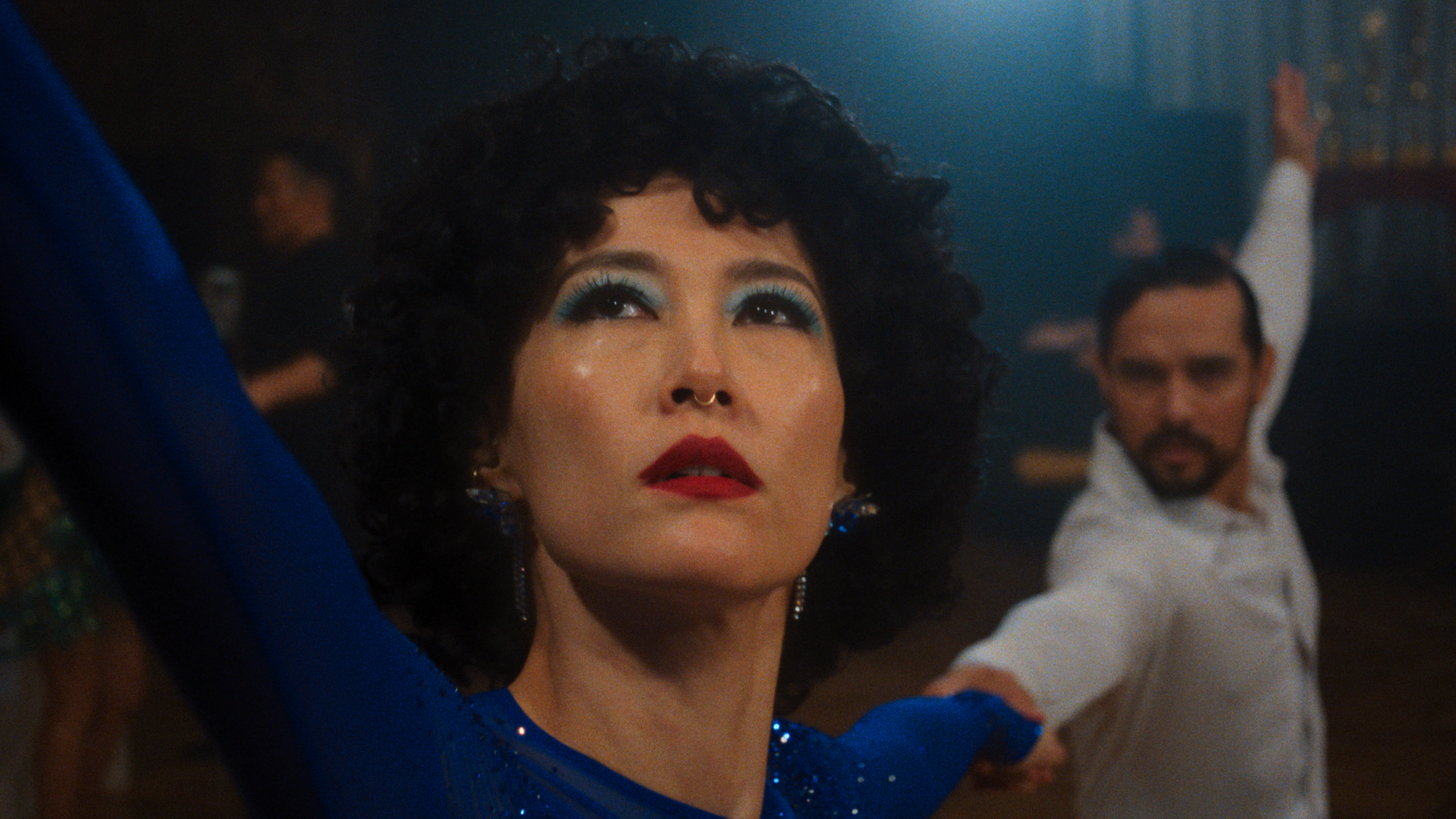
At other points, “Sundance movie” has meant seriocomic character studies pumped up with near-toxic levels of quirk. That too often describes this Josef Kubota Wladyka-directed film starring Rinko Kikuchi as a woman struggling to get over the unexpected death of her husband and competitive dance partner Luis (Alberto Guerra). The film’s cutesy flights of fancy—Luis’ spirit hangs around their house in the form of costumed crow, for instance—and plot contrivances keep getting in the way of Kikuchi’s lovely performance.
One in a Million
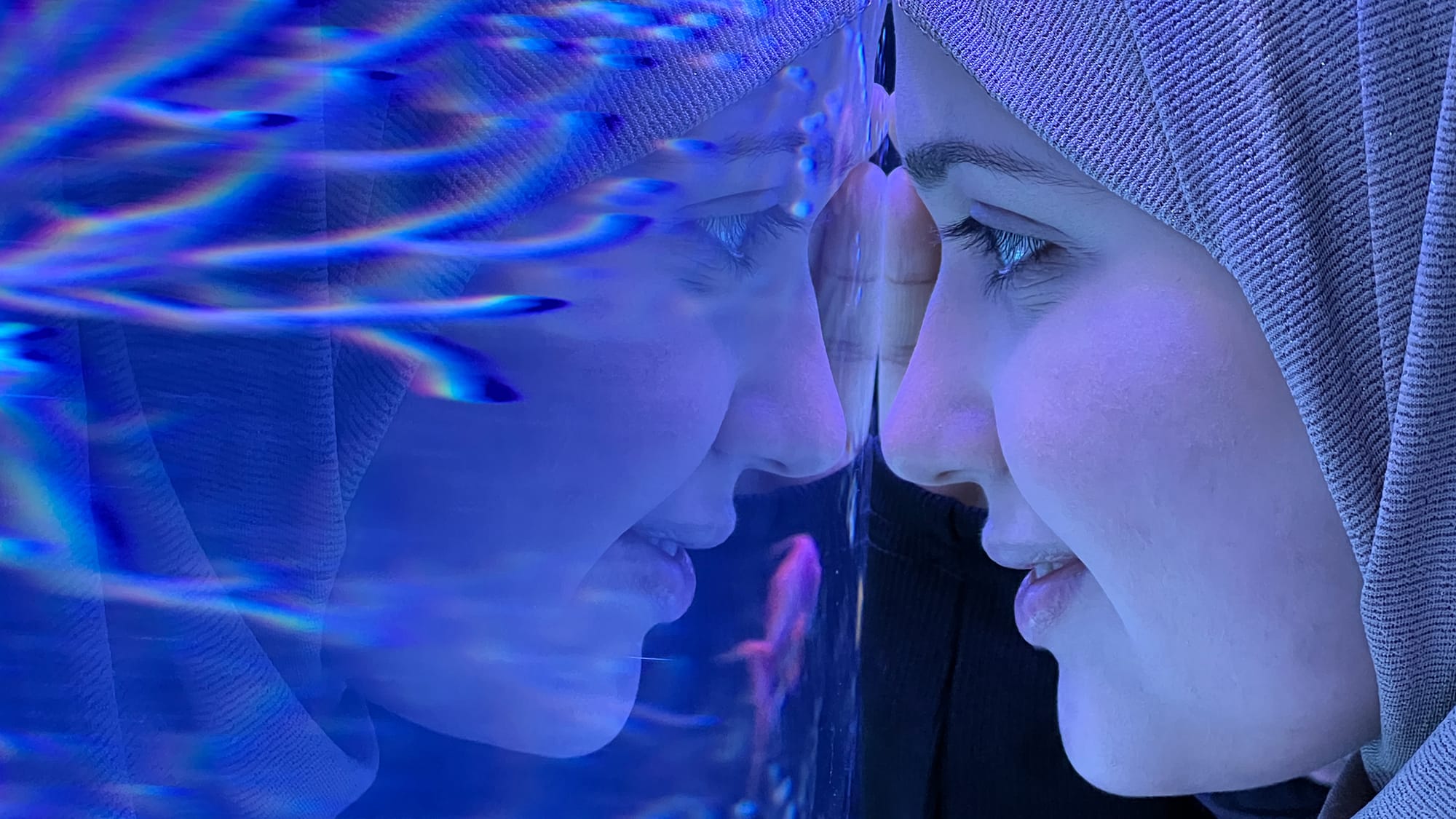
Co-directed by the husband-and-wife team of Itab Azzam and Jack MacInnes, this deeply affecting documentary, filmed between 2015 and 2025, captures a decade of tumult from the perspective of a girl named Israa and her family as they make their way from war-torn Syria to a new home in Germany. Over the course of the film, Israa transforms from a bubbly 11-year-old to a bedraggled refugee to an at-first happy new resident of Germany. Then far-right voices begin growing louder with each year and the strain of their new surroundings opens some pre-existing family fissures. The extended time frame makes the film almost unbearably poignant at times. You can almost see the weight of the world settling on Israa’s shoulders.

The Friend’s House is Here
Directed by another husband-and-wife team, Maryam Ataei and Hossein Keshavarz, The Friend’s House is Here was shot surreptitiously in Tehran, then had to be smuggled out of the country to make its Sundance premiere. It’s not hard to see why: Set in the city’s artistic underground, the film concerns a pair of bohemian roommates—playwright and actress Pari (Mahshad Bahraminejad) and dancer Hanna (Hana Mana)—who mock scolds attempting to shame them for not wearing hijabs. A serious threat emerges at one point, but Ataei and Keshavarz otherwise deemphasize the drama. The film’s most potent act of resistance comes from the warmth of the pair’s bond and their shared commitment to pursuing art, even in the face of potentially dire consequences.
Nuisance Bear
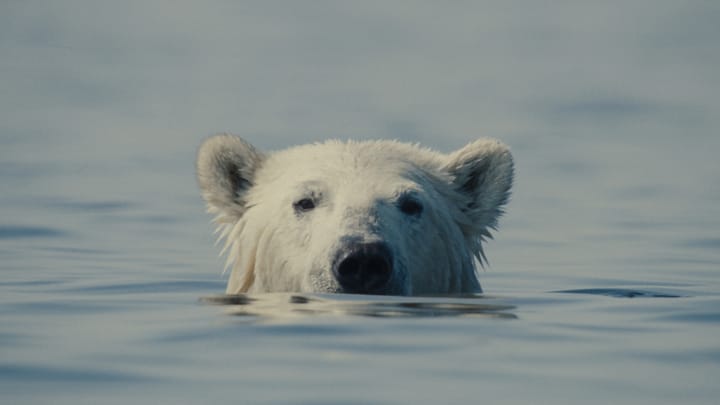
Gabriela Osio Vanden and Jack Weisman’s Nuisance Bear opens with a stunning shot of a polar bear and her two young cubs, then pulls back to capture the troubled conditions that allow humans to capture such images. The film begins in Churchill, Manitoba, which bills itself as the “Polar Bear Capital of the World.” But it’s also a place where the line between the human and natural world has become dangerously porous. The film follows a bear with a habit of invading inhabited areas as it’s relocated to the wilderness, only to travel north to a small village filled with Inuit whose own relationship with the bears has been thrown out of balance by changing times. One such resident, Mike Tunallaq Gibbons, provides the film’s narration, and his story further complicates what could have been a straightforward plea for conservation. The film can feel a bit ponderous in stretches, but the holistic approach allows Nuisance Bear, which won the fest’s Documentary Grand Jury Prize, to pull back and take in the big picture. (And, in keeping with the husband-and-wife filmmaking team trend, the directors got married at the festival.)
Extra Geography
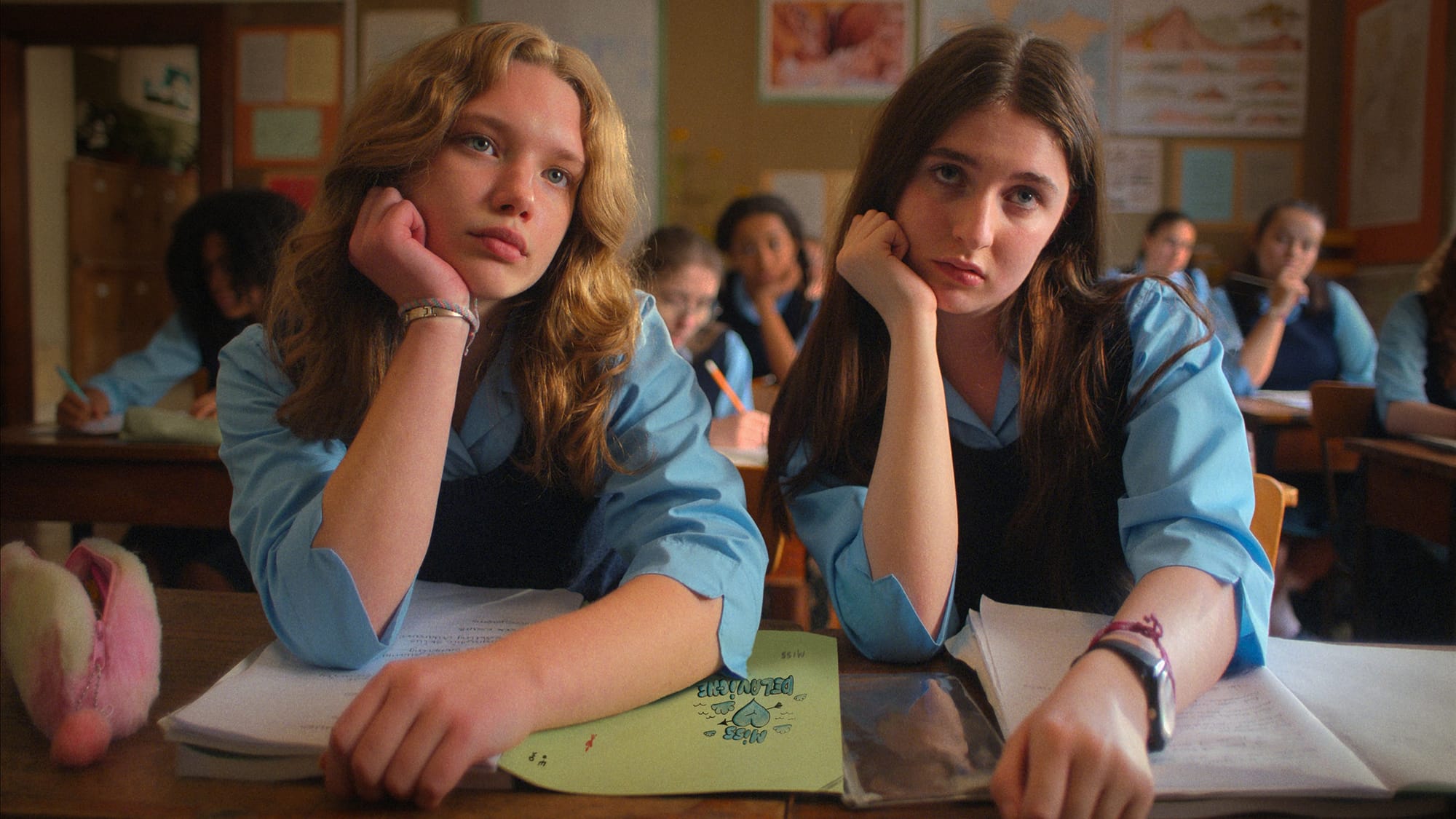
An adaptation of a Rose Tremain story set in some indeterminate pre-digital period of the recent past, this first feature from Molly Manners takes place at an all-girls English boarding school where Flic (Marnie Duggan) and Minna (Galaxie Clear, like Duggan, a talent to watch), two high-achieving students, have become the best of friends. Inspired by A Midsummer Night’s Dream, they decide to fall in love with the first person they lay eyes on as a kind of shared project. This happens to be Miss Delavigne (Alice Englert), a mild-mannered geography tutor from New Zealand who’s confused by their attention. Manners has a gift for staging wry, energetic archness—a Belle and Sebastian needle drop fits in perfectly—that gives way slowly as the girls’ emotions start to come to the surface. The shift nicely serves a story in which playing at grown-up feelings turns scary once real grown-up feelings start to creep in.
Rock Springs
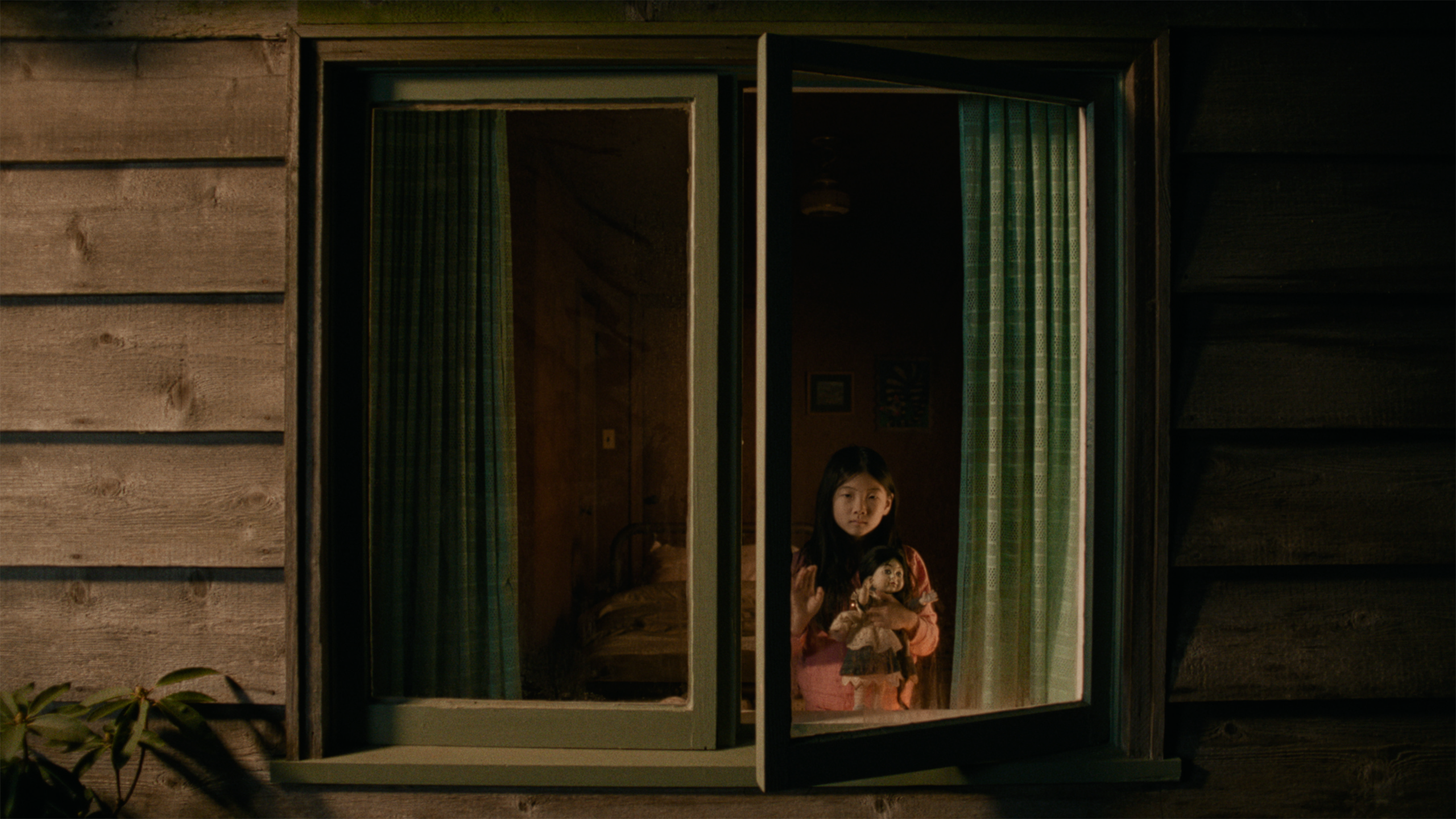
Emily (Kelly Marie Tran) finds the past will not stay quiet when she tries to start over after the death of her husband by uprooting her family and moving them to the small town of Rock Springs, Wyoming in this unsettling and effective horror film by Vera Miao. And not just Emily’s past, either: she senses her husband’s ghost but the real threat comes from the unquiet spirits of the Rock Springs Massacre, an 1885 event in which white locals attacked a group of Chinese laborers employed by the local coal mine. Miao’s film envelops Emily with a suffocating sense of isolation as it explores how the horrors of the past resist being silenced by the passing of time. It’s often better in concept than execution and there’s a nagging sense that Miao could go a lot deeper, but it’s still a spooky showcase for some icky effects and for Tran, Benedict Wong, and Jimmy O. Yang.
The Best Summer
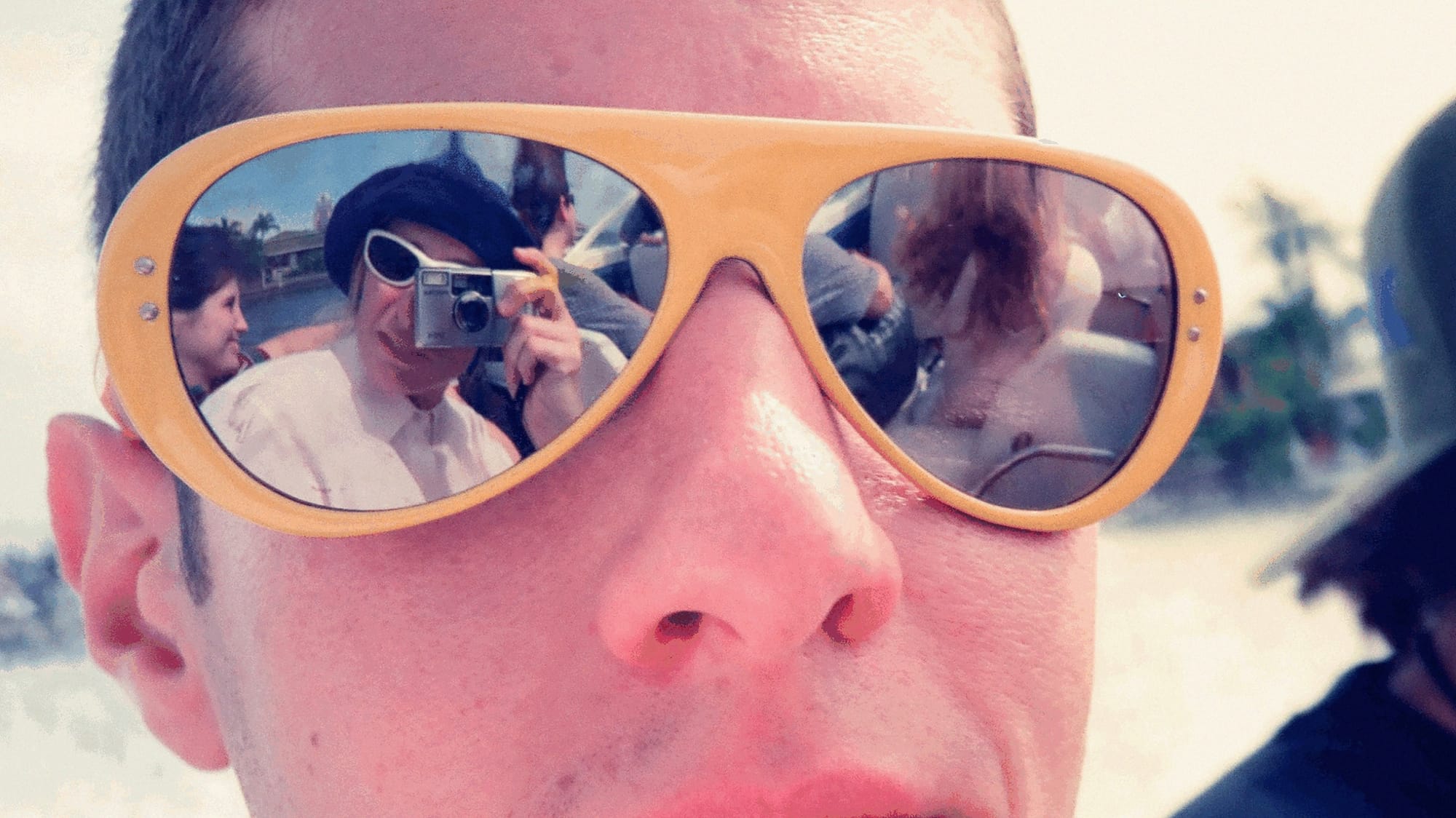
While evacuating her Malibu home during the Palisades Fire last year, director Tamra Davis discovered a box of videotapes she recorded while touring with, among others, Beastie Boys, Sonic Youth, Pavement, and Foo Fighters on a pair of package tours that traveled through Australia and a handful of Asian countries in the final days of 1995 and first days of 1996. Davis had recently married Beastie Boys’ Mike D and finished making Tommy Boy so, with time on her hands, she filmed shows and interviewed artists with the help of Kathleen Hanna, who shared the bill with the others as part of Bikini Kill. That the results feel like a home movie are The Best Summer’s greatest strength and greatest weakness. Though a Gen X treasure trove as-is, it’s hard not to lament the sort of more structured, disciplined film that might have been. Then again, such a film probably wouldn’t have had scenes of Hanna having an earnest conversation with Dave Grohl or captured the on-screen flirtation between Hanna and Beastie Boys’ Adam Horowitz, now her husband of 30+ years.
The Incomer
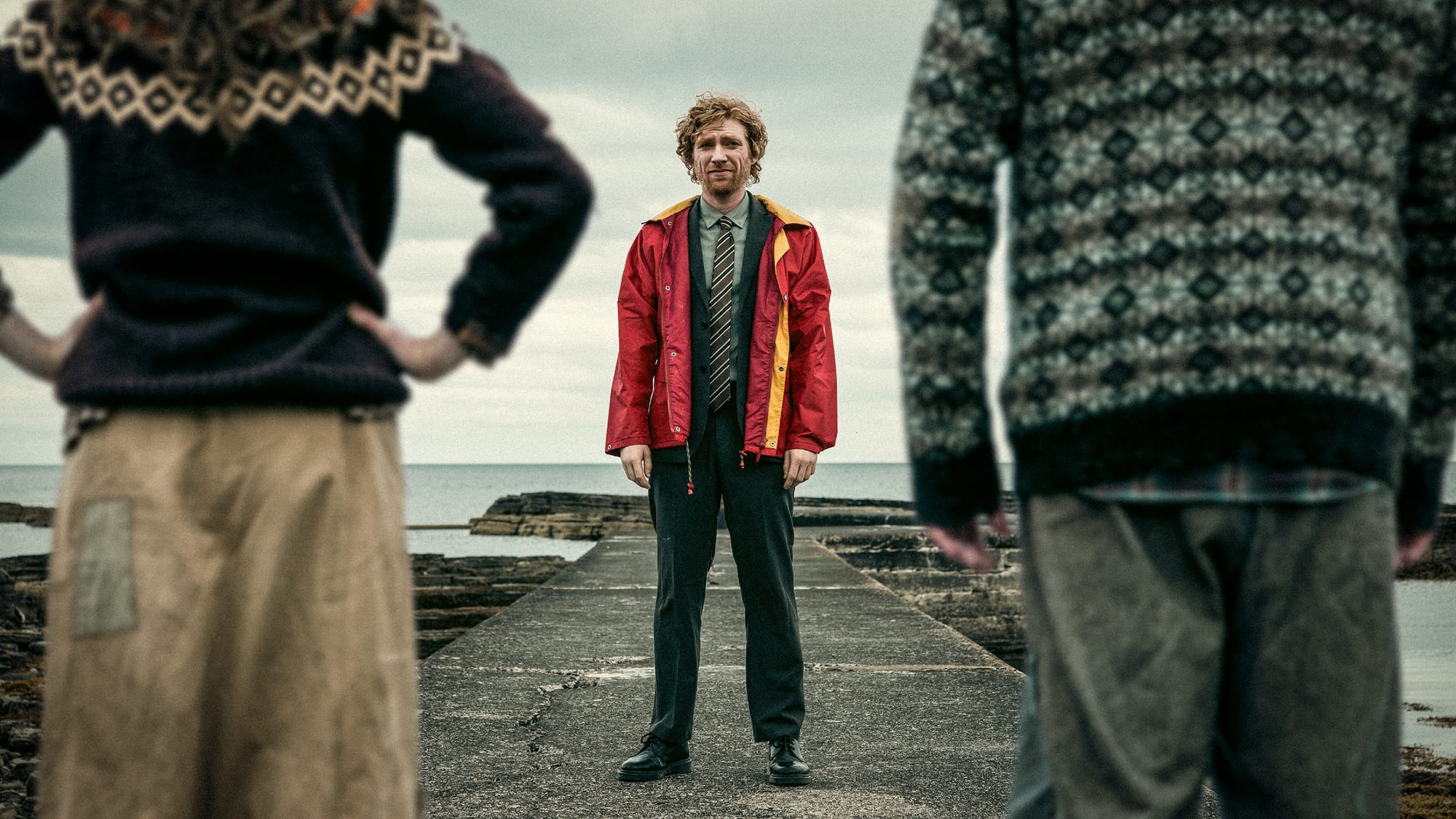
Isla (Gayle Rankin) and her brother Sandy (Grant O’Rourke) live alone on an otherwise abandoned island in a remote northeastern corner of Scotland. Well, they’re not entirely alone. Sandy sometimes talks to the imaginary (?) Finman (Josh Hannah), who’s always trying to lure her down into the deep and sometimes items from the mainland wash up on shore. But mostly they’ve stayed dedicated to defending their homes against any “incomers.” That describes Daniel (Domhnall Gleeson), a low-ranking bureaucrat sent to tell the pair it's time to leave, a task that proves quite formidable and one further complicated by the siblings’ limited understanding of the modern world. Louis Paxton’s winning comedy scores its biggest laughs in the early scenes, when the culture clash is at its clashiest, but its winning spirit is enough to keep it engaging even through final act that borders on the schmaltzy.
Night Nurse
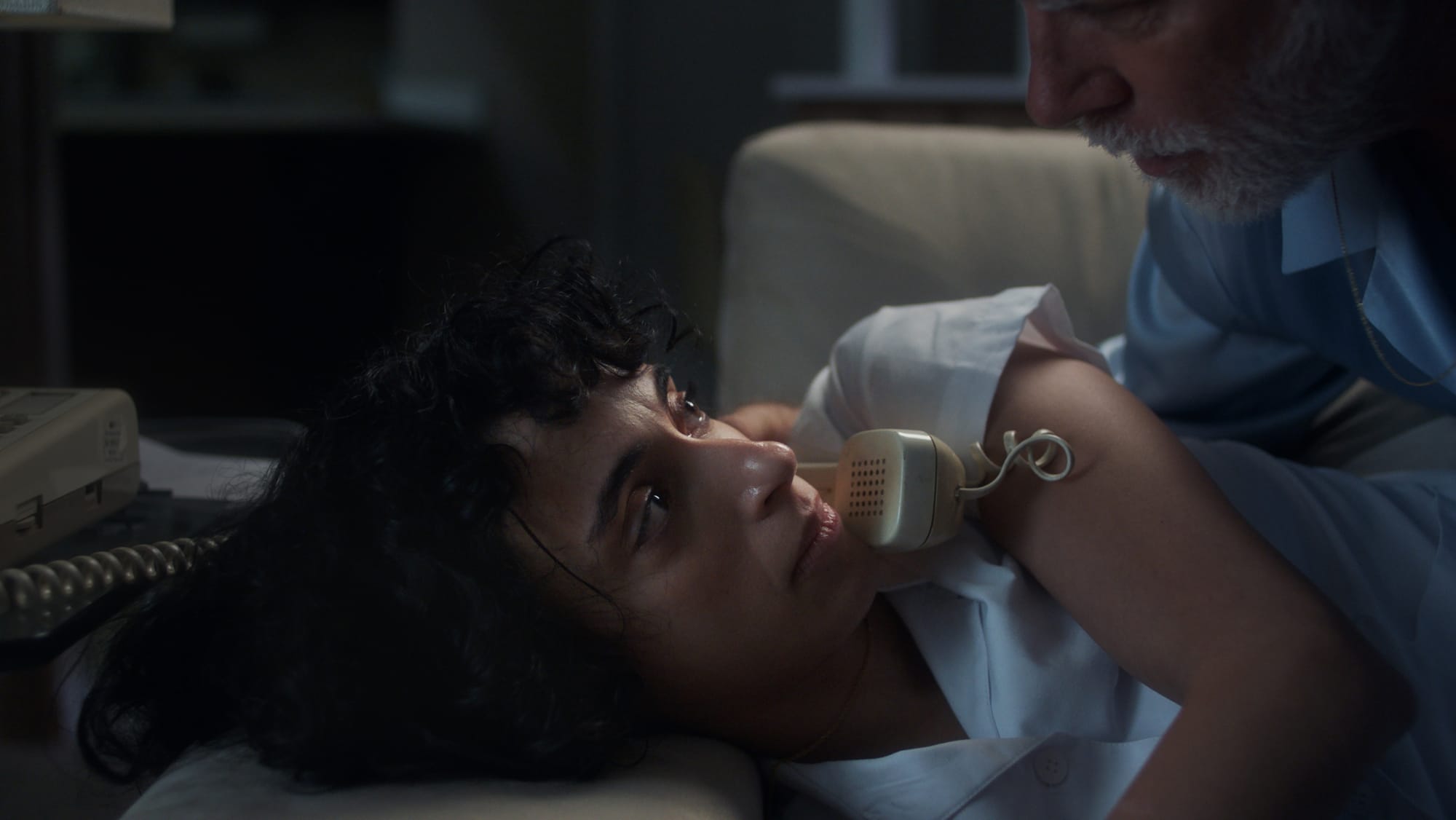
This is meant as a compliment: Georgia Bernstein’s Night Nurse plays like the smartest, most thematically rich ’90s direct-to-video erotic thriller ever made. Stylish, tense, and unabashedly tawdry, it depicts the unlikely bond that develops between Eleni (Camre Paksoy), a newly hired nurse at a high-end retirement community and Douglas (Bruce McKenzie), a resident suffering from dementia. Or is he? It doesn’t take long for the mask to drop and for Eleni to begin helping Douglas make scam calls to other residents. Why? It turns her on. Paksoy and McKenzie (with memorable assists from Eleonore Hendricks and Mimi Rogers) help Bernstein pioneer the unlikely subgenre of nursing home noir, somehow making one of the least-erotic settings imaginable vibrate with sex. The film’s hypnotic when it keeps tensions at a low simmer but runs into a little trouble in a final stretch that attempts to bring them to a boil.
Barbara Forever
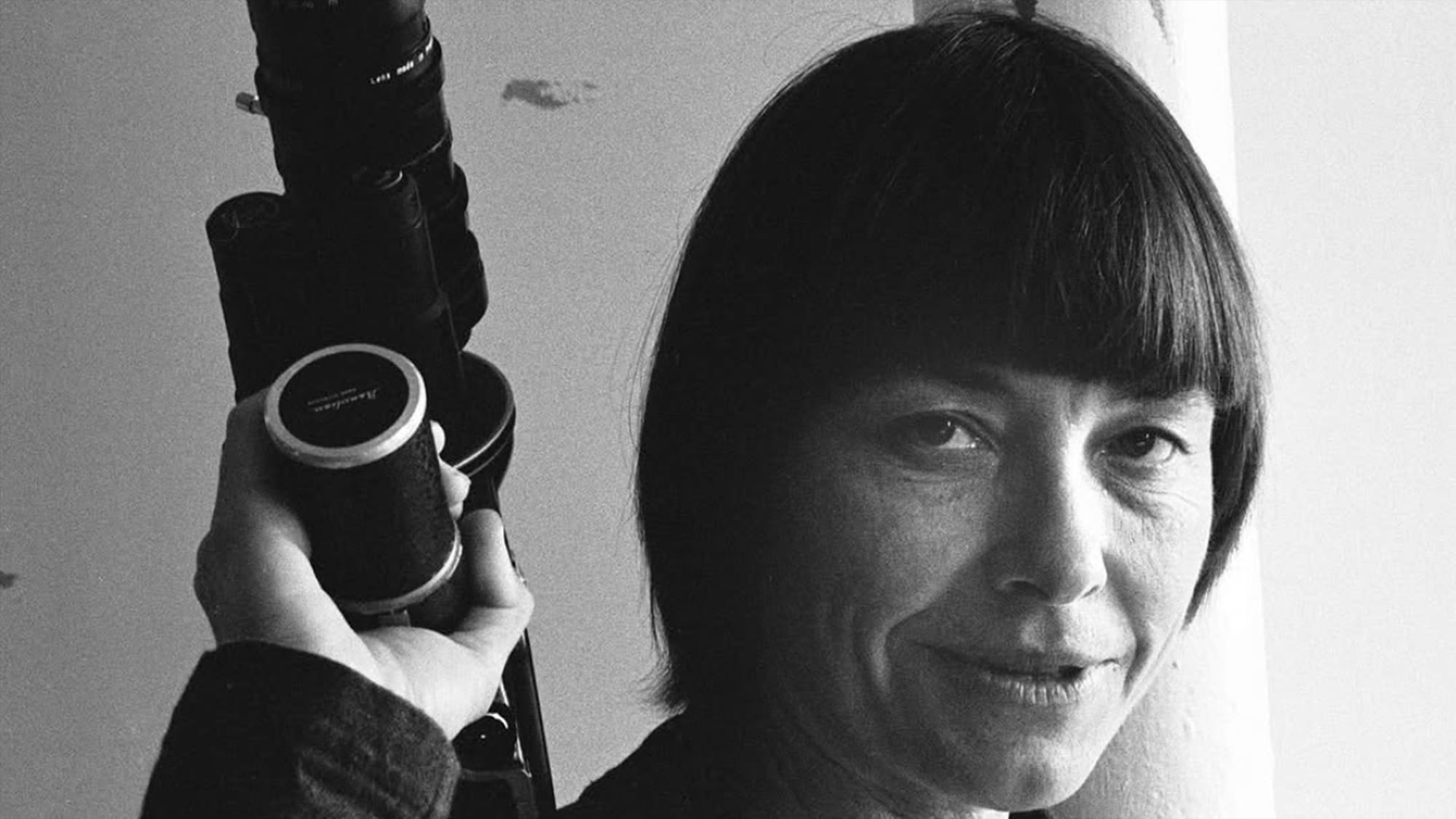
When she died at the age of 79, Barbara Hammer left behind a massive body of work created over her decades of making experimental films and an even more massive archive. Hammer treated her art and life as inextricable and considered her work all the more urgent because of the paucity of loud, proud lesbian voices in the filmmaking world, and the world in general, when she began making movies in 1970. It’s a question of, as Hammer puts it in Brydie O’Connor’s documentary about her life and work, “Who makes history and who’s left out?” Though Hammer died in 2019 before O’Connor began the project, she lets Hammer largely tell her own story in voiceover that plays over footage from the director’s life and films. It’s a loving tribute that both provides a reminder of Hammer’s groundbreaking role in film history and offers a fuller sense of who Hammer was, which is no small task when your subject made a career of documenting her life and the world in which she lived it.
Discussion