The View from the 2026 Toronto International Festival, Part One: The Weighty, the Surprising, and the Delightfully Weird
Keith's first dispatch from TIFF 2026 covers new work by major directors like Mike Leigh and Werner Herzog, as well as a gripping Lebanese heist movie.

Because there are simply too many movies at this year’s TIFF to squeeze into one column, we’re splitting this year’s coverage into two installments. Look for thoughts on Chris Rock’s Misty Green, the latest animated feature from Cartoon Saloon, and more in tomorrow’s installment.
Late Works by Heavy Hitters
Last year, I began my time at the Toronto International Film Festival with a screening of Joachim Trier’s Sentimental Value and left wondering if I could possibly see another film I liked more. (The cruel math of year-end listmaking tells me I did, but Sentimental Value was still one of my favorite 2025 films.) I felt the same walking out of Tender Loving Care, the new Mike Leigh film.
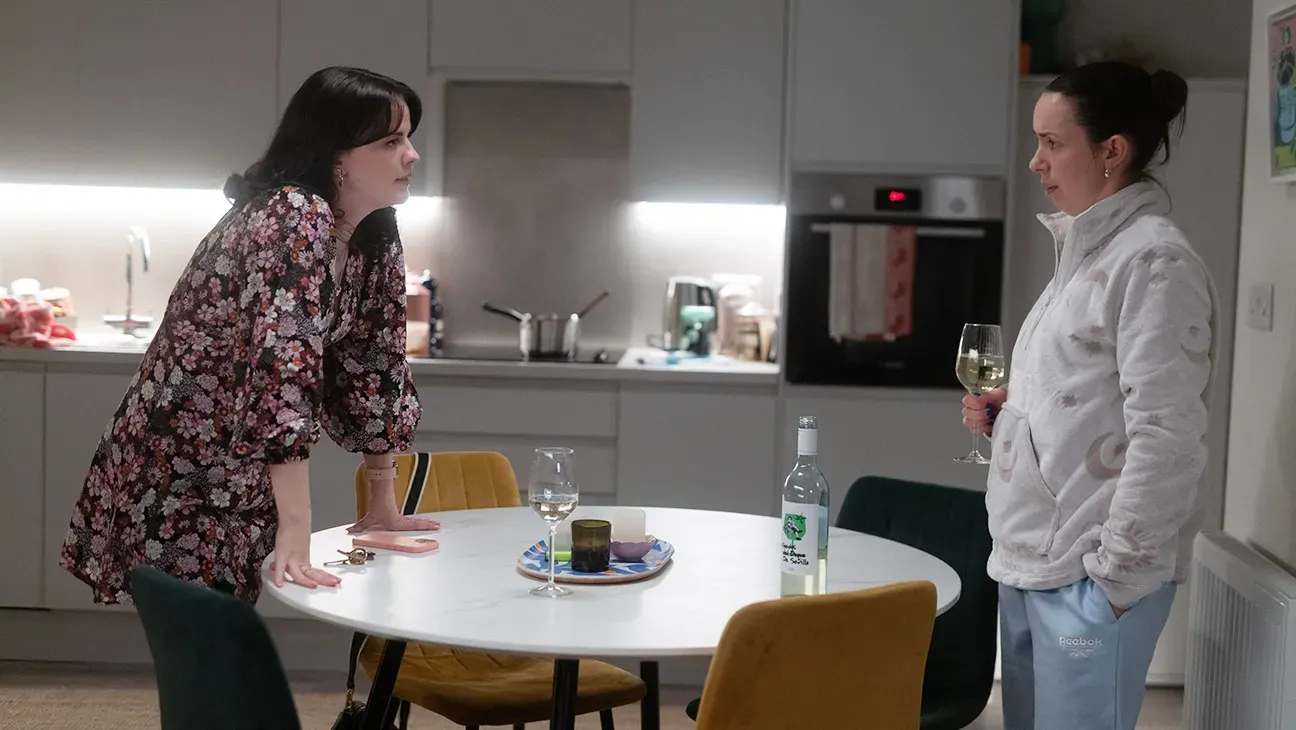
Leigh has said Tender Loving Care is “most likely” his final film. Though it doesn’t play like a grand summing-up, it certainly rings with echoes of Leigh’s past work. Career Girls provides the easiest point of comparison, thanks to the many-yeared friendship between the two women at the film’s center, Rosie (Alice Bailey Johnson) and Amy (Kate O’Flynn), both social workers determined to do what they can to help others and not be ground down by the world (shades of Happy Go Lucky) despite disappointing personal lives. Marion Bailey and Paul Jesson co-star as Amy’s parents, who face their own crisis and provide a contrast between a generation that grew up in a Great Britain that felt obligated to take care of its own and one in which underpaid, overworked, and well-intention civil servants like Rosie and Amy are doing their best to work with what’s left of that system. If this is Leigh’s directorial swan song, he’ll be going out with a film that only he could make. Tender Loving Care offers no false optimism but believes in the comfort we can find in each other, even in darkness.
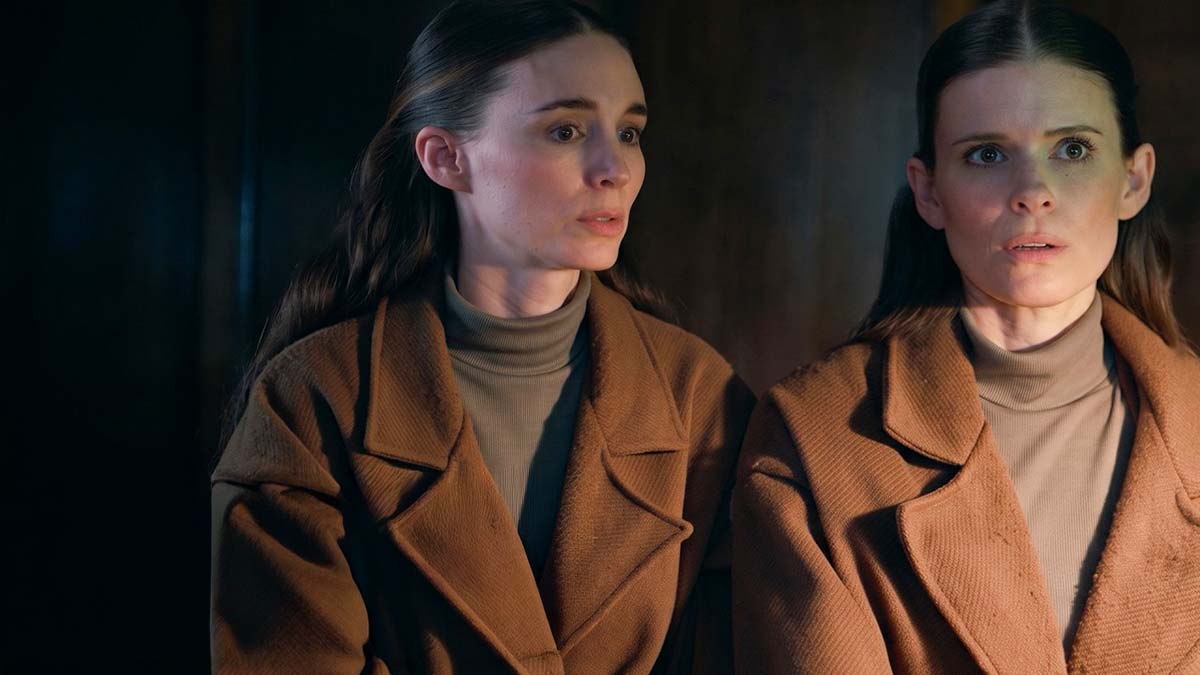
If Werner Herzog has any plans to retire, there’s no evidence of it in Bucking Fastard, a charmingly bizarre new narrative feature that’s whimsical and strange in ways not usually expected of a Herzog film. The moment you think you’ve figured out what sort of movie you’re watching is the moment Bucking Fastard decides to be something else. Starring Rooney and Kate Mara as, respectively Joan and Jean, a pair of Irish sisters who dress alike and (usually) say the exact same thing at the exact same time, the film begins as a legal comedy in which the sisters square off against the limo-driving neighbor (Orlando Bloom) who jilted them, then it changes gears and locations a couple of times until ultimately becoming a story about, honestly, you’re better off not knowing. Know this: the Maras’ synchronized work as impish eccentrics who don’t really understand, or care to understand, how the world works is the sort of superb comic creation that works no matter what’s going on around them.
Enjoying The Reveal? Now's a great time to become a paid subscriber. You'll get access to everything we publish—from articles to audio commentaries—and help support independent film criticism.
Auteurs in Action
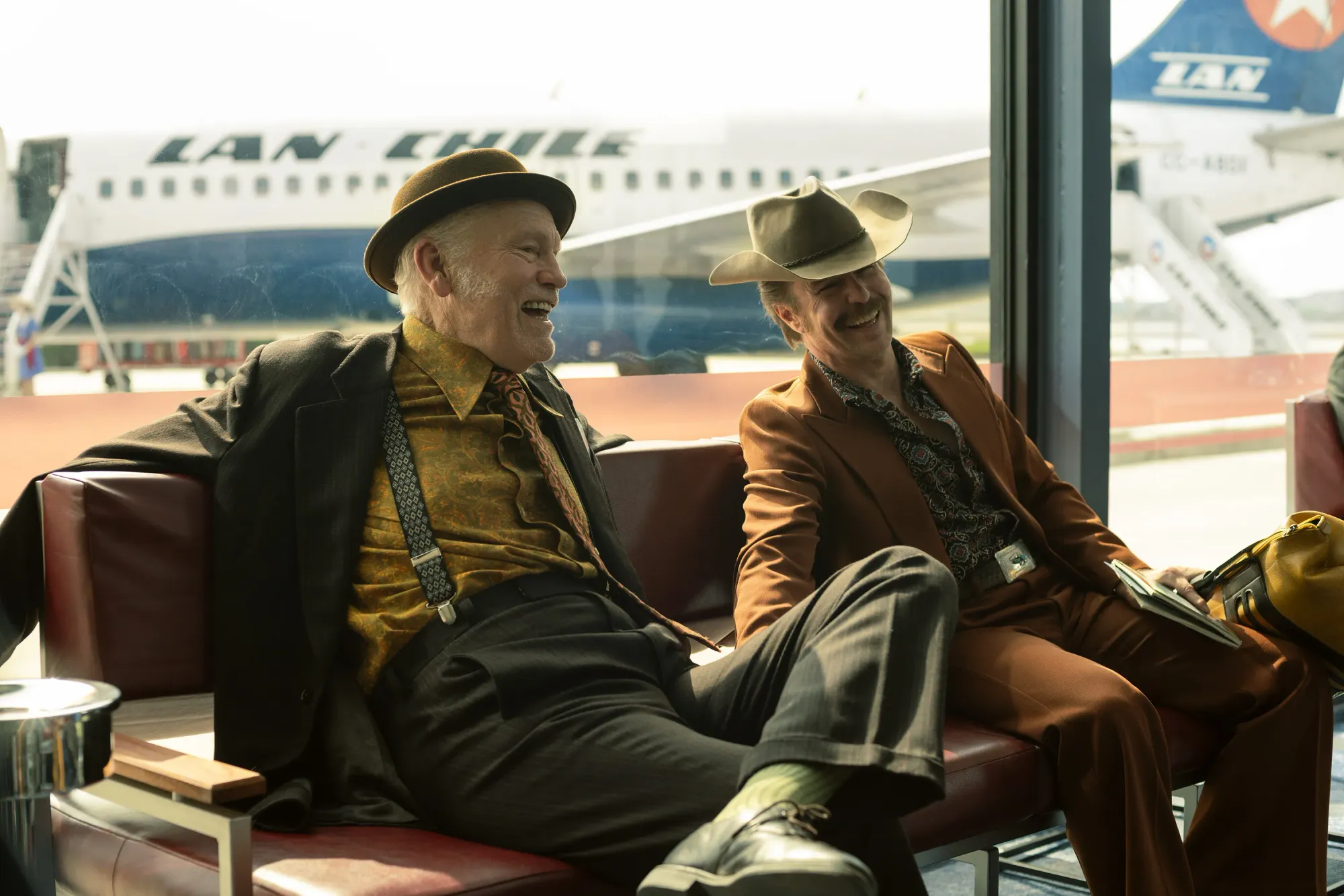
On the face of it, Martin McDonagh’s Wild Horse Nine looks more than a little like his 2008 debut, In Bruges, subbing out Irish hitmen for CIA agents stationed in Chile just before the 1973 coup d’etat. A bit of that earlier film’s dynamic carries over to the relationship between Chris (John Malkovich), a long-serving agent who’s been involved in some pretty dark doings in Guatemala, the Congo, and Cuba (and, shh, Dallas) and Lee (Sam Rockwell), his younger partner. Lee’s deep fondness for his mentor is challenged by Chris’s increasingly erratic behavior, like a habit of spilling secrets to strangers. This has also caught the attention of their boss (Steve Buscemi), who’s starting to see Chris’s continued existence as a problem that needs to be solved, preferably before the duo return from a vacation at Rapa Nui (or Easter Island for those, like Chris, who scoff at using its indigenous name). Malkovich makes a meal of McDonagh’s acidic dialogue while summoning up a tremendous amount of sympathy for the devil as Chris reflects on his life in the face of death. If this isn’t the best performance of Malkovich’s career, it has few contenders.
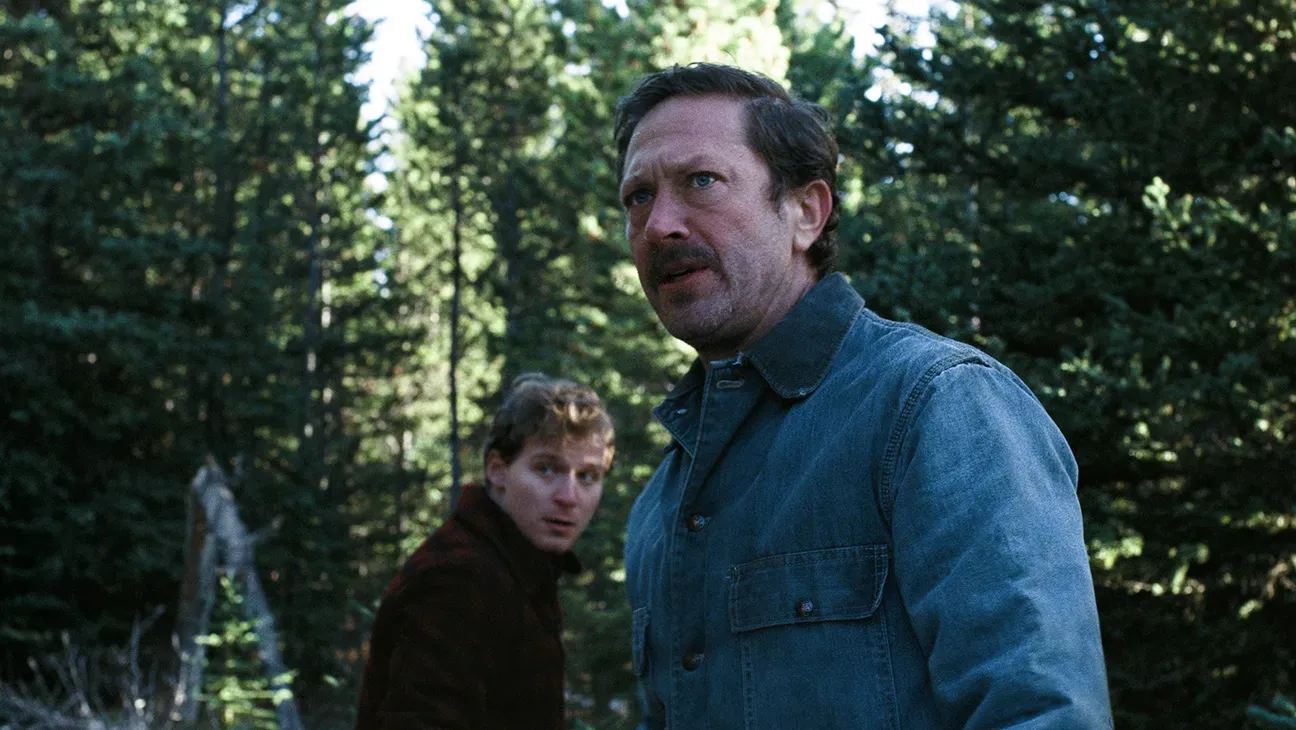
Andrew Haigh’s All of Us Strangers follow-up, an adaptation of a short story by Colm Tóibín, A Long Winter uses the stunning, unforgiving landscape of the Colorado Rockies as the backdrop for an intimate family story about loss, identity, and escape. Fred Hechinger plays Mike, the oldest of two sons raised high in the mountains by a stubborn father (Ebon Moss-Bachrach) and a mother (Caitríona Balfe) who’s lost the ability to hide her distaste for their isolated life and yearning to explore the opportunities offered by the broader world of 1950s America. Mike, however, has learned to keep his own feelings hidden, a practice challenged by a family tragedy and a brutal winter that makes simply surviving a daily struggle. Haigh’s understated approach similarly keeps much of the film’s emotions just below the surface. When everything melts, brace for a flood.
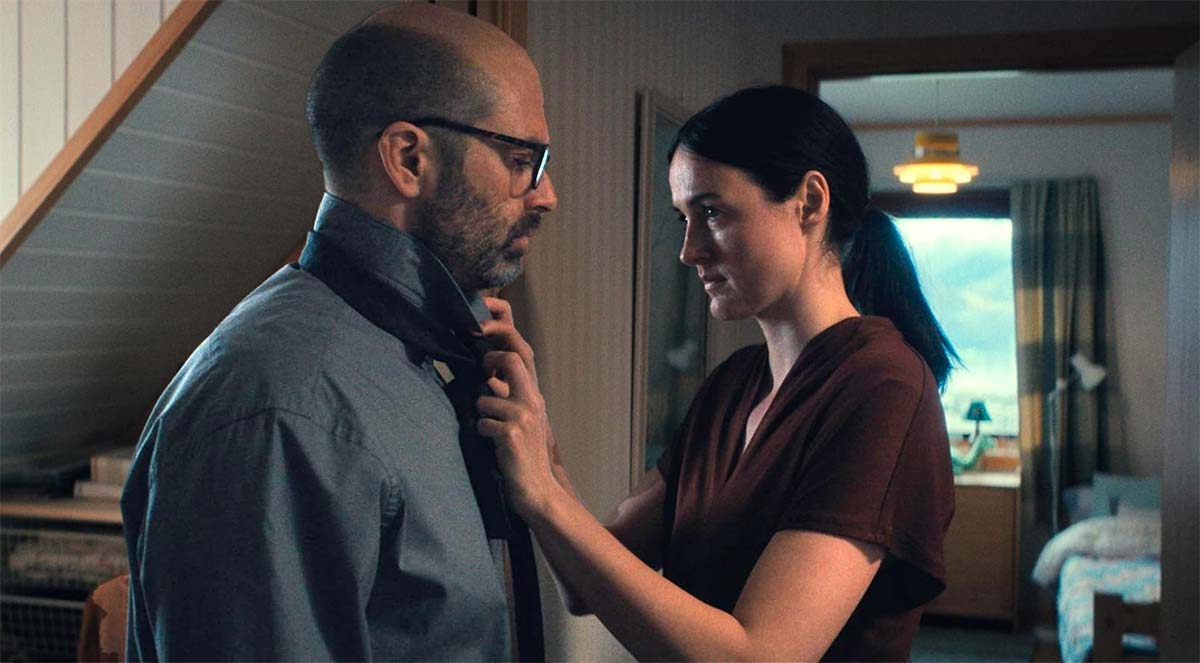
This year’s Palme D’Or winner, Fjord is already an international hit and will likely be central to this year’s awards season conversations. And in many respects, it should be. Directed by Christian Mungiu (4 Months, 3 Weeks and 2 Days), it’s artistically assured and home to superb, understated performances from Sebastian Stan, unrecognizable as a Romanian immigrant to Norway named Mihai, and Renate Reinsve as his Norwegian wife Lisbet. After Mihai and Lisbet return to Lisbet’s hometown, the conservative Christian parents of five find themselves investigated by authorities who remove their children on suspicion of abuse. But Mungiu’s attempt to tell a story of a culture clash in which Norway’s progressive laws and contemporary mores butt up against faith and traditions outside its standards gets weakened by a one-sided approach that finds Lisbet and Mihai squaring off against a series of intolerant, way-too-Woke foes willing to split up a family in the interest of imposing its own values. It’s a problem somewhat, if not entirely, offset by a touch of late-arriving ambiguity and the fact that it doesn’t stray too far from the real-life story that inspired it.

Cabinets of Curiosities
Occasionally ponderous, ultimately mesmerizing, Everytime, Austrian writer/director Sandra Wollner’s third feature, depicts the grief, disorientation, and (maybe) madness that envelops a single mother (Birgit Minichmayr), her young daughter (Lotte Shirin Keiling) and a teenage acquaintance (Tristán López) after they experience a shocking and unexpected loss that, through strange circumstances, leads them to take a trip to the Spanish resort town of Tenerife. Combining long, studied shots with close-up intimacy Wollner explores the ways memories of loss resurface to distort, and maybe reshape, reality even for those who try to escape. Maybe especially for those who try to escape: the film’s second half uses a seemingly placid getaway spot as a kind of open-air haunted house where anything can happen as the past mixes freely with the present.
Sometimes it’s best to just admit some filmmakers, however undeniably skilled, just aren’t to your taste. Case in point: While I admire Anna Biller’s peerless mimicry of the look and feel of genre films from past decades, I find the films she makes facile and, even worse, boring. Biller’s follow-up to The Love Witch, The Face of Horror channels mid-century horror movies—a little bit of Black Sabbath-era early-’60s Eurohorror, a little Hammer, a lot of Roger Corman’s Poe movies—to tell a kabuki-inspired story of marital deception and supernatural retribution set in medieval England. Again, everything here looks like an amazing facsimile of a shocker from yesteryear, and Biller’s unmistakably feminist reworking of her sources makes it clear she wants to say something. And clearly this works for those who connect to her films versus those who, say, consider Biller’s snail-paced camp akin to torture.
Is Your Mother Your Mother Your Mother, the latest film by Basaam Tariq (Mogul Mowgli), an exploration of faith trojan-horsed into a violent action movie or an action movie with a light dusting of spiritual concerns? Between gunfire and calls to prayer, the film never quite resolves that identity crisis as it follows Latif (Mahershala Ali), a recently widowed devout Muslim trying to care for his family of three who’s also a highly skilled hitman. The film veers wildly between earnest drama rooted in the everyday realities of Houston’s Muslim community and over-the-top black comedy involving a conflict between a heavily armed evangelical Christian cult (led by a charismatic veteran played by John Cho) and the porn mogul nephew (Abubakr Ali) of Latif’s boss. Ali, excellent as usual, helps keep it grounded, but just barely. (A bit of trivia: At one point Tariq was on board to direct Ali in Marvel’s since-scrapped Blade movie.)
Breakout
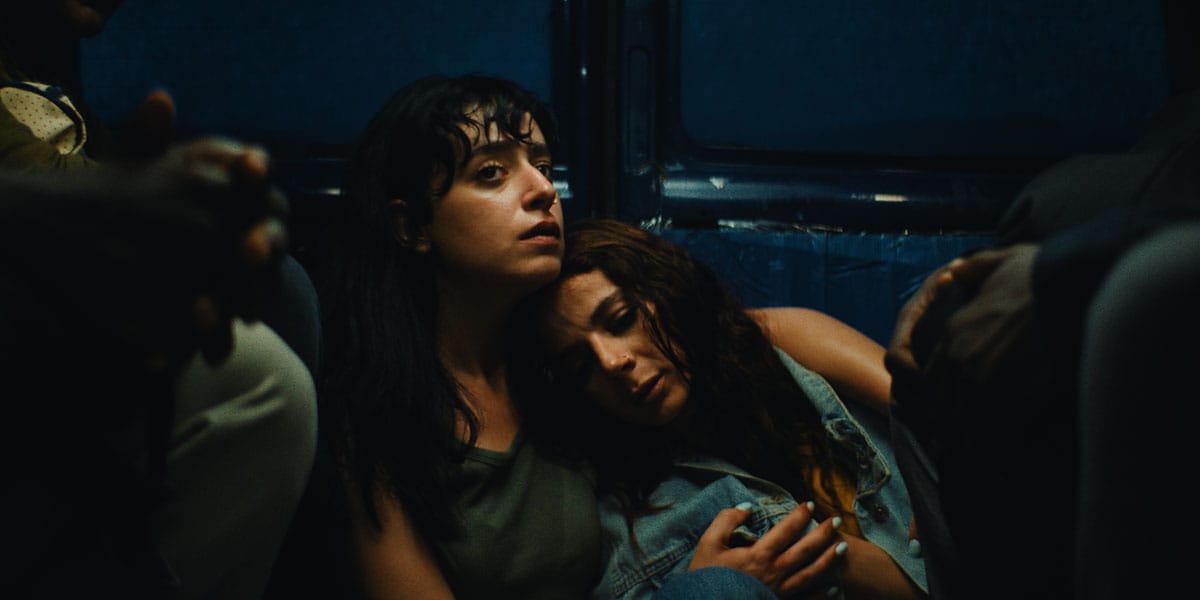
One hope going into any festival is that you’ll leave having been blown away by movies that weren’t even on your radar before. This year, Furies, the debut film by Rami Kodeih (co-written by Kodeih and Nora Moriana), was the first such film for me. Set in 2022, three years into the ongoing Lebanese liquidity crisis that led to millions of citizens unable to access their bank accounts, the film stars Rym Mroue and Maria Nakouzi as, respectively, Maro and Dalia, two sisters who, like most of working class Beirut, are struggling to make ends meet one day at a time. Dalia’s immediate need for surgery, however, leads them to take the desperate step of plotting a bank robbery. Kodeigh directs with a nervy immediacy that serves both the sisters’ sketchy heist plans and their urgency, ratcheting up the tension and emotions as their scheme takes shape and threatens to fall apart.
Tomorrow: Part Two.
Discussion