Barbara Kopple On The Picket Line
A new 4K rerelease of 'American Dream' continues a story about the labor movement that Barbara Kopple started telling in Harlan County.

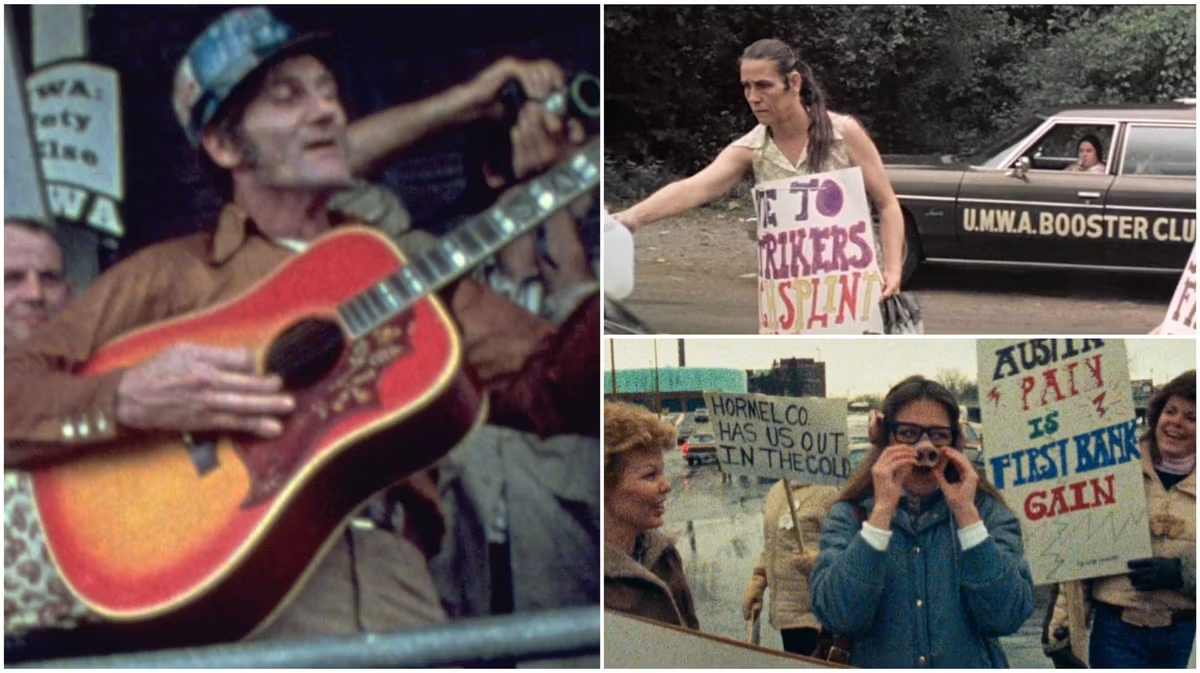
If you’re ever looking for proof that the Reagan Revolution was a real revolution, a sweeping and permanent realignment of domestic policy in favor of American corporations, watch Harlan County USA and American Dream, the two essential, Oscar-winning labor documentaries by Barbara Kopple from 1976 and 1990, respectively. One is about the “Brookside Strike” in 1973, when coal miners in southeast Kentucky went on strike against the Duke Power Company for better wages and benefits and contended with the scabs and “gun thugs” that threatened them at the company’s behest. The other is about the 1985-86 strike at the Hormel meatpacking plant in Austin, Minnesota, where a company that had just notched a $29.5 million annual profit chose to cut wages from $10.69 to $8.25 an hour in order to “remain competitive.” There are many obvious reasons the miners had it worse: Generations of black lung and grinding poverty, a corrupt (and ultimately convicted) union president, and mortal danger from gun violence on the picket line. And yet, they had some hope of getting a contract.
No such hope exists in American Dream, which Janus Films is re-releasing in a 4K restoration this week at IFC Center in New York, along with showings of Harlan County USA. The workers at the Hormel plant in Austin enjoy a relatively more privileged life than their Appalachian counterparts, in that they occupy $32,000 homes with running hot water instead of shanties where a mother is shown bathing her daughter in a metal bucket. Yet the decision by Hormel executives to dock their pay nearly 25%, despite the company still thriving on Spam and other pork products, was a calculated flex, backed by a business-friendly administration hellbent on weakening the labor movement. The particulars of the Hormel strike—which I’ll get into later—seem to make this local union an especially ripe target for Reaganomic obliteration, as if to create a repeatable formula for widening the gap between the haves and the have-nots. To watch it all unfold in front of Kopple’s sympathetic camera puts the struggle in devastatingly human terms.
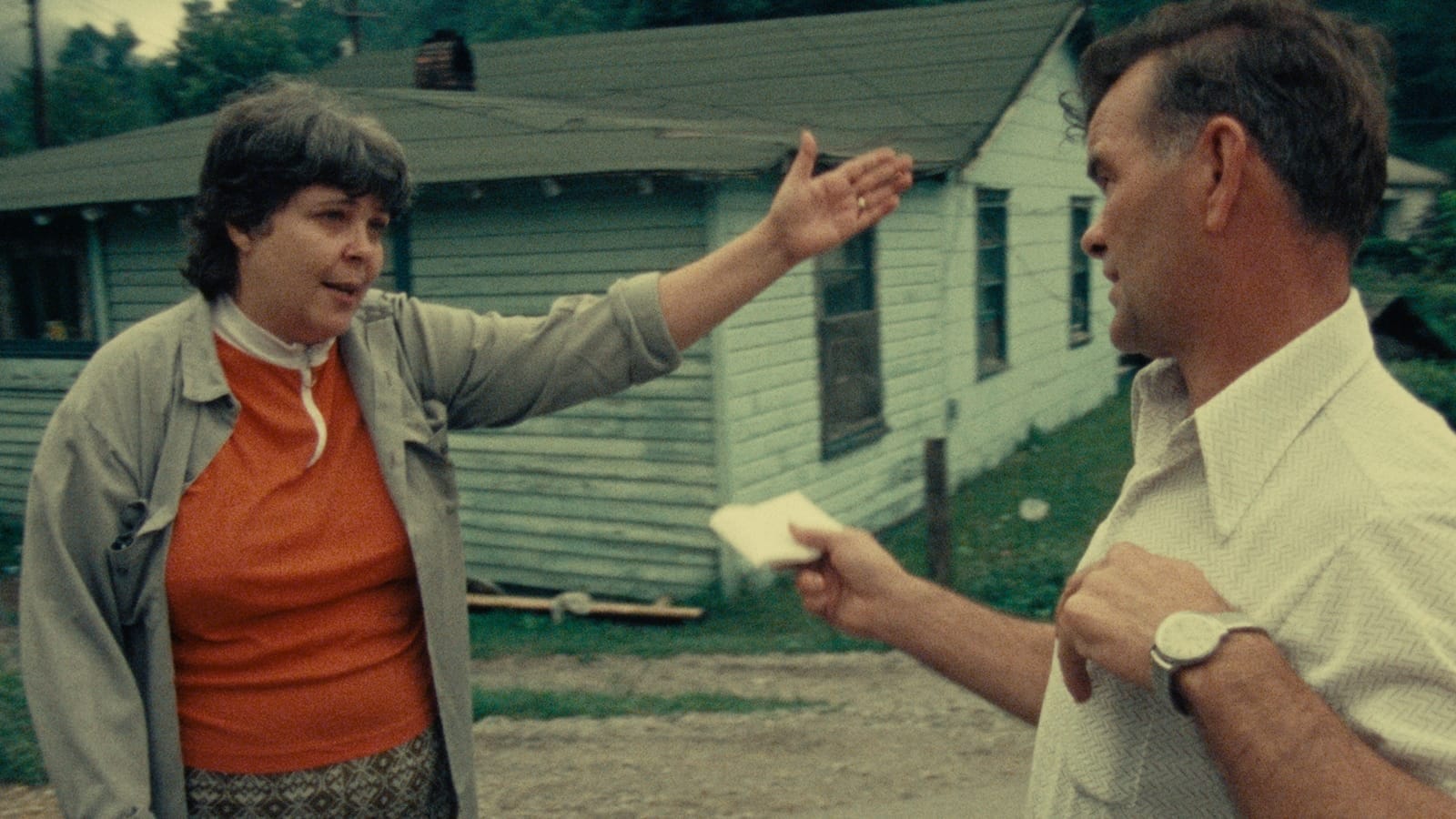
Seeing Harlan County USA and American Dream back-to-back is not only a lesson in the labor movement, but an opportunity to appreciate Kopple’s artistry and how it subtly evolved from one movie to the next. For one, it’s a great opportunity to question the term “fly on the wall,” a shorthand often applied to the cinéma vérité movement pioneered by documentary legends like D.A. Pennebaker, the Maysles brothers, and Frederick Wiseman, who favored a more observational style of nonfiction filmmaking. Kopple comes out of this tradition, too, but the phrase implies an artlessness that doesn’t apply to her or any of them, despite their efforts to access truth as unobtrusively as possible. Make no mistake: Her years-long relationship with these workers was a collaboration and the images in these films are carefully framed and evocative as any fiction feature. Just hearing the occasional sound of film whirring through the camera is a reminder that the camera couldn’t run endlessly, but even without it, there’s an intentionality to Kopple’s direction that’s unmistakably vivid.

This post is for paying members only
Sign up now to read the post and get access to the full library of posts for subscribers only.
✦ Sign up