Extremely Online: ‘Me and You and Everyone We Know’
))<>((. Forever.

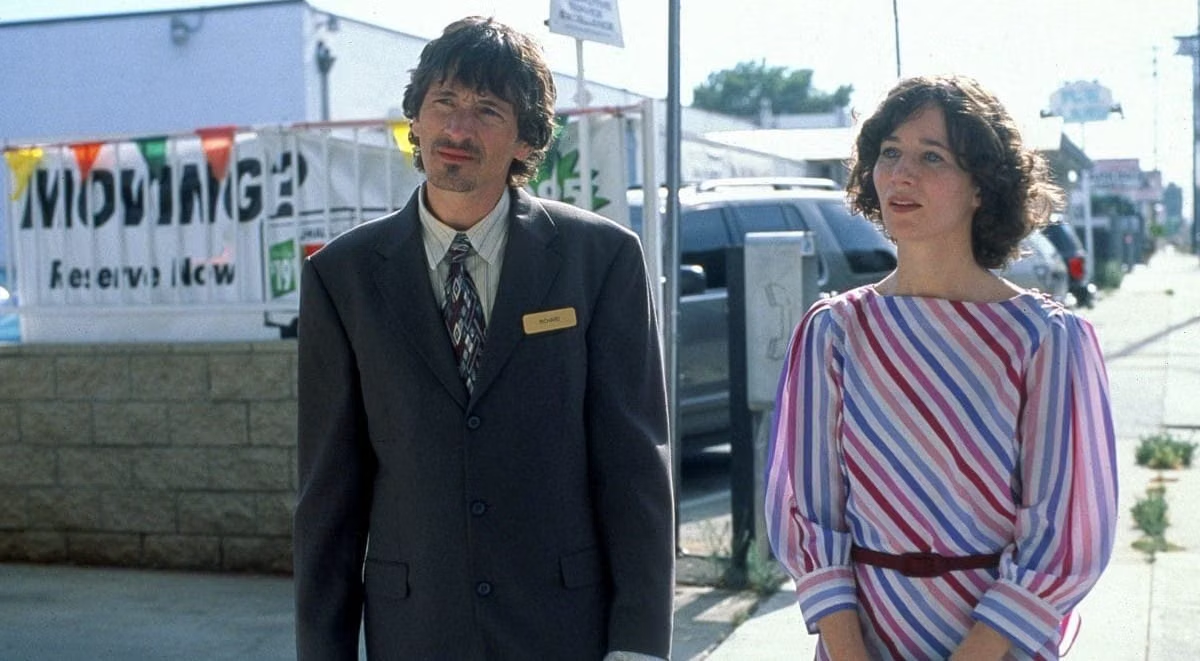
Me and You and Everyone We Know (2005)
Freaking out about: The impossibility of love and human connection in the digital age. The absurdly formalized process of submitting work to a contemporary art museum, which is run by arbitrary tastemakers who roll their eyes at “local artists” and probably won’t look at it anyway.
Panic level (out of 10): 2. Writer-director-star Miranda July has made a film about the barriers to modern relationships, but she’s optimistic about people getting around those barriers if they try.
Reason for optimism: Drivers on a freeway can quietly collaborate to make the unavoidable death of a bagged goldfish as humane and dignified as possible. And if they can do that, humans are capable of grace when they’re not behind the wheel, too.
Tech gizmo du jour: A pocket-sized phone that includes the caller’s information on the screen when it rings.
Most 2005 things: Notably very little. July’s 2005 has none of the commercial brands, cultural references, or other temporal signposts you get from other movies. Her work is timeless in that way.
Untitled: I’m wearing pants and a blouse.
NightWarrior: How’s your bosom?
Untitled: I have a deliciously full “bosom.”
NightWarrior: I want to poop back and forth.
Untitled: What does that mean exactly?
NightWarrior: I’ll poop in your butt hole and then you will poop it back into my butt and we will keep doing it back and forth with the same poop. Forever.
Untitled: You are crazy and you are making me very hot.
This bit of online discourse from Miranda July’s directorial debut, Me and You and Everyone We Know, unfolds in a chat room that seems to occupy its own plane of existence, at least to the extent that July cares to visualize it. It’s more like a word document that two anonymous parties can access any time they turn on their computer, which is perfectly in keeping with the unadorned, off-kilter tone that carries the film. July does not care about how such a conversation might happen—the film isn’t intended as a cautionary tale about the dangers of real-life chat rooms, like Dee Snider’s Strangeland—but she does care about who’s having it and why, and what it tells us about this absurd, tragicomic form of digital yearning. Pooping back and forth sounds disgusting and, frankly, unworkable, but you can’t argue that it’s not intimate. Loneliness is a much harder prospect to bear.
July holds off on revealing the desperate soul who’s chatting under the name “Untitled,” but “NightWarrior” is a pair of unsupervised boys, 14-year-old Peter (Miles Thompson) and six-year-old Robby (Brandon Ratcliff), whose parents have just separated, leaving them confused and a little sad, confined mostly to a shared bedroom in their father’s crappy new apartment. In other words, the perfect conditions for going online, with the added bonus of tying up the phone line so their feckless dad can’t reach them. Though the exchange above sounds weird and unsavory, there’s an innocence to Peter and Robby’s engagement with the chat that’s disarming and exploratory, like astronauts negotiating their first steps on the moon. Peter intuitively embraces the freedom to duck behind a persona and express his amusingly limited fantasies about the opposite sex, which for him starts with “bosoms.” (A term he spells right but mispronounces.) He assumes the person on the other end is “a fat guy with a little wiener,” so he’s happy to include Robby’s free association about pooping. (Though he doesn’t include my favorite query from Robby: “Ask her if she likes bologna.”)
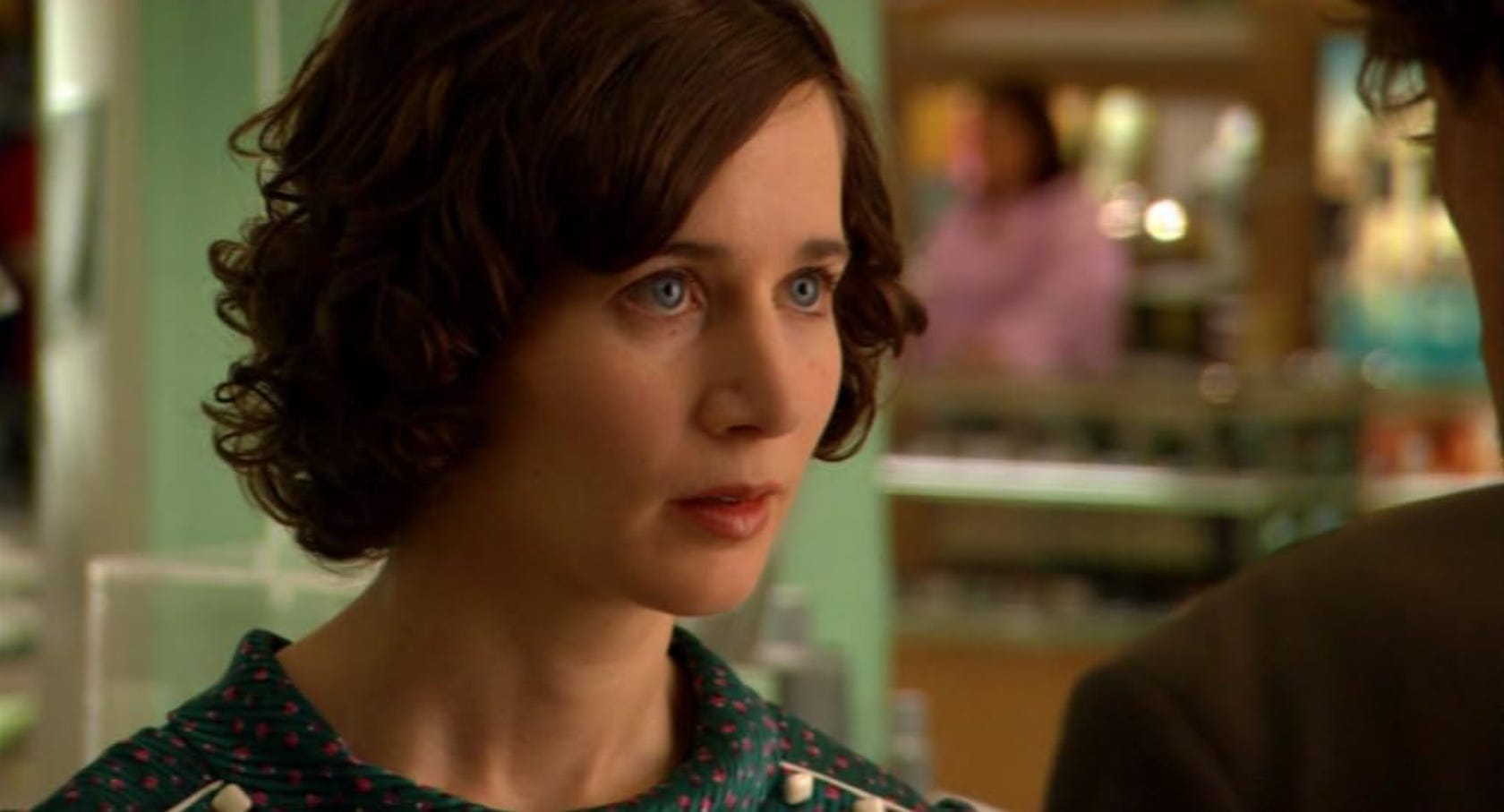
The chats between Untitled and NightWarrior are only a limited piece of July’s larger indie mosaic, but Me and You and Everyone We Know is an insightful survey of life in the digital age and the profound feelings of alienation that go along with it. Before making the film, July had explored some of these issues in multimedia projects and shorts that often touched on video, which was where these themes tended to percolate in the ’80s and ’90s before the internet came along. An early project called Joanie 4 Jackie involved women artists contributing self-made shorts that would be compiled into a “chainletter tapes” for wider distribution. Through her lens, video and digital projects were different evolutions of the same experimental, mediated forms of human connection.
This post is for paying members only
Sign up now to read the post and get access to the full library of posts for subscribers only.
✦ Sign up