The 2025 Reveal Subscriber Poll
The Best Films of 2025, as selected by our paid subscribers.

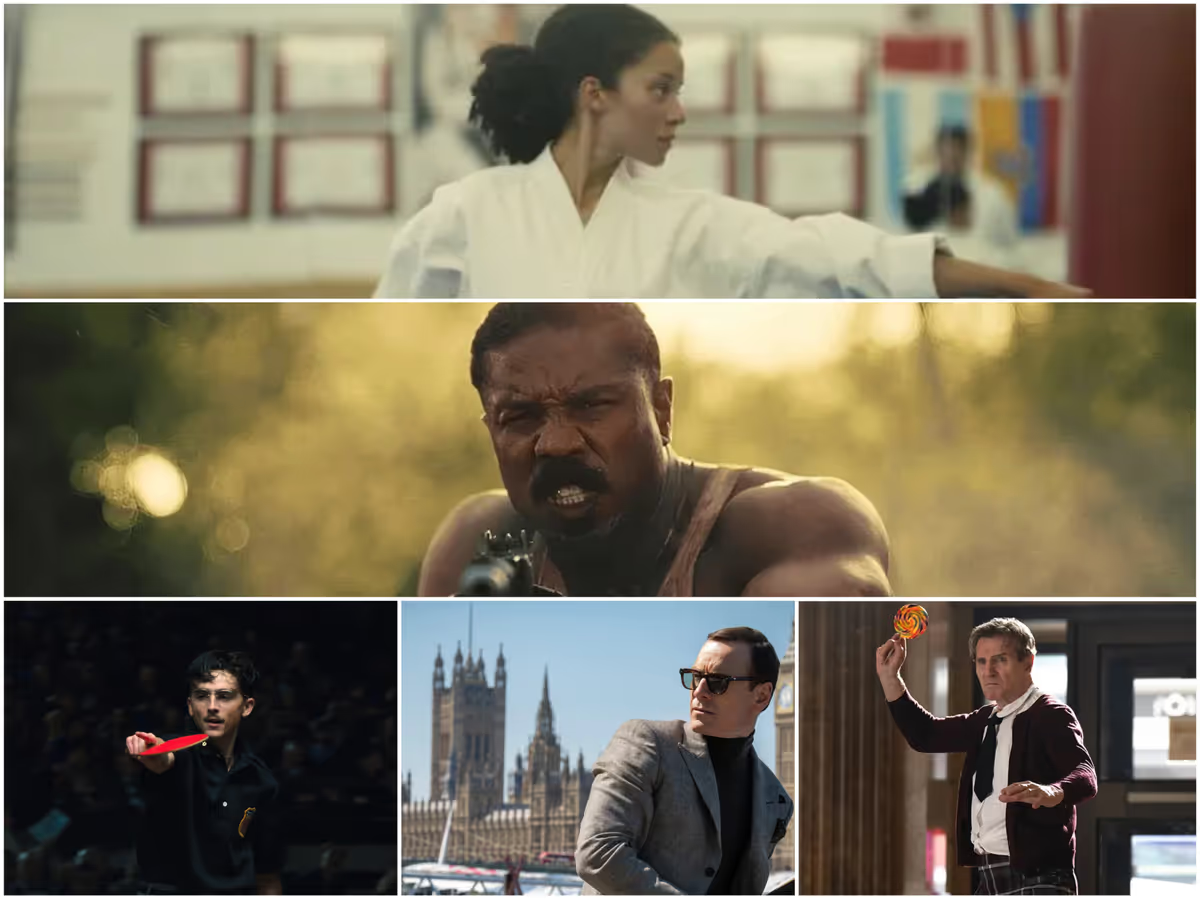
Now in its fourth year of existence, the Reveal Subscriber Poll is our opportunity to survey the Glengarry leads of the internet movie commentariat and discover how much your preferences and thoughts on the year deviate (or not) from our own. It’s also a chance to hear from you directly on your favorite movies of the year, whether you’ve come together on a unifying theory about the meaning of Weapons, submitted a hand-painted best-of list, or likened the new Naked Gun to a time capsule full of whoopie cushions. Though you might imagine we exert some overweening influence on our paid subscribers, two of the Top 10 films below did not appear on Keith’s Top 15 or mine, so this is no hive mind, either. Based on your comments and choices, the off-screen events of 2025 weighed heavily on your consciences but going to the movies provided both a refuge and the reassurance that you were not alone in the dark.
While this post is going out free to the public, we think it stands as a great incentive for joining our community as a paid subscriber, so you can join in the fun next year. As underground societies go, we’re less diabolical than the Christmas Adventurers, even if that means our sphere of influence is slightly smaller.
The Reveal is a reader-supported newsletter dedicated to bringing you great essays, reviews and conversation about movies. If you are not paid subscriber, we would love for you to click this button below and join our community.
The Top 10
1. One Battle After Another (420 pts., 113 ballots)
2. Sinners (231 pts., 73 ballots)
3. Marty Supreme (153 pts., 48 ballots)
4. Weapons (124 pts., 43 ballots)
5. It Was Just an Accident (96 pts. 29 ballots)
6. Train Dreams (90 pts., 28 ballots)
7. No Other Choice (79 pts., 28 ballots)
8. Sentimental Value (73 pts., 23 ballots)
9. Black Bag (65 pts., 24 ballots)
10. The Secret Agent (60 pts., 19 ballots)
Significant others: 28 Years Later (54 pts.), The Mastermind (41 pts.), Eephus (38 pts.), Wake Up, Dead Man: A Knives Out Mystery (37 pts.), Blue Moon (33 pts.), Bugonia (33 pts.), If I Had Legs I’d Kick You (29 pts.), Sorry, Baby (29 pts.), Hamnet (27 pts.), The Testament of Ann Lee (27 pts.), Eddington (25 pts.), The Naked Gun (20 pts.), Frankenstein (19 pts.), Superman (18 pts.)
Some notes on the results:
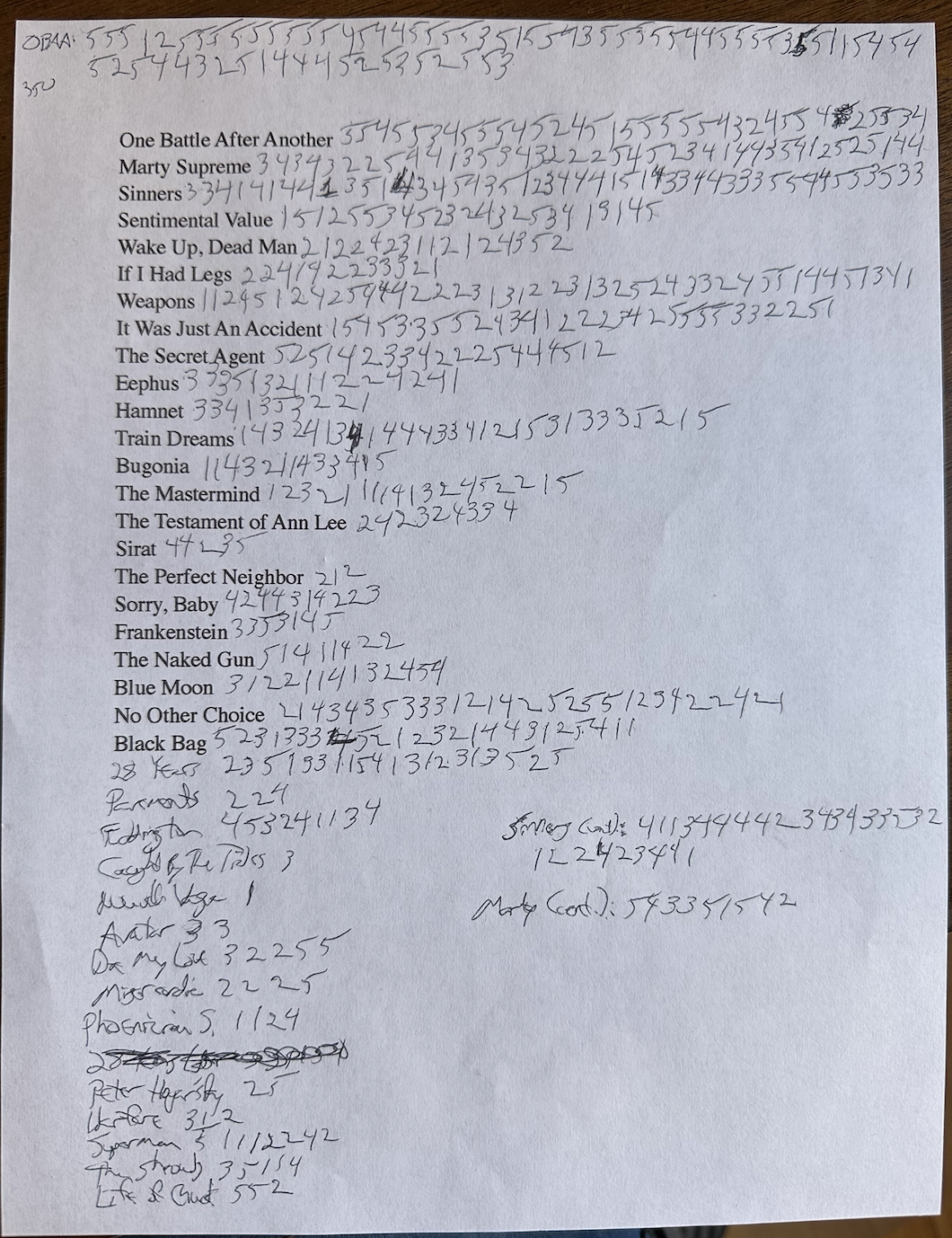
• Every year, my longtime pal (and Revealer) Mike D’Angelo—whose Patreon newsletter gives you tremendous bang for your buck, incidentally—runs a sophisticated poll for cinefriends called “The Skandies” that involves a Pazz & Jop-style 100-point allotment in all the various categories, which results in a lot of nuanced data about voter passion. Unfortunately, as a Comparative Literature major who quite literally tabulates the votes by hand on a piece of printer paper (see comically stupid image below), I can only adopt a crude system in which your Top Five movies are given points on a descending scale.
And yet, we can draw some conclusions about what movies Revealers actually liked the most, even if fewer of them saw Eephus than, say, Sinners. Using the “divide” function on my trusty calculator app, here’s how the Top 10 would be reordered if you divided the number of points a film received by the number of ballots on which it appeared. This roughly presumes that a smaller film might have placed higher if more people had seen it (though, again, that conclusion is imperfect on its own): One Battle After Another (3.71), It Was Just an Accident (3.31), Train Dreams (3.21), Marty Supreme (3.19), Sentimental Value (3.17), Sinners (3.16), The Secret Agent (3.16), Weapons (2.88), No Other Choice (2.82), Black Bag (2.71). Some definite movement here, but the big standouts are It Was Just an Accident and Train Dreams leap-frogging a few spots and…
• … just an absolutely dominant performance by One Battle After Another. In the four years we’ve conducted this poll, Paul Thomas Anderson’s galvanizing movie-of-the-moment is by far the most dominant winner. Though our voter rolls have increased over time—that is one key metric I have not tracked, for whatever reason—420 points surpasses the previous point-champion Tár (239 points) by too large a margin for that increase to be a consideration. The one odd wrinkle here is that the “passion” score for One Battle After Another, while unusually high at 3.71, falls five-hundredths of a point below Aftersun at 3.77. Our sad little hearts will always be on vacation at a downscale resort with Paul Mescal. (If you want to compare and contrast previous years, click here: 2022, 2023, 2024.)
• In the Reveal Readers Are Special subcategory, I’ll call your attention to a couple of small independent films that got outsized attention from voters in relation to their box-office impact. Though Eephus grossed a touch over $500,000 domestically—a very nice swing-of-the-bat for Music Box Films, given the modesty of the project—it nearly cracked the Top 10 here. Kelly Reichardt’s The Mastermind eked above the $1 million mark and wound up around the same place on the list, just barely missing the cut. (Eephus and The Mastermind seem almost designed not to place high in lists like this. Their fundamental modesty is part of what’s so appealing about them.) Also, a shout-out to the eight voters who found room for The Naked Gun on their lists. We like to have a good time around here.
• So how did this year’s Best Picture nominees fare? By and large, Revealers nodded in approval of this year’s Oscar hopefuls: One Battle After Another, Sinners, Marty Supreme, Sentimental Value, Train Dreams, and The Secret Agent were among the ten on both lists. Bugonia also performed respectably in the poll, though it’s relatively deep in the Honorable Mentions. Hamnet and Frankenstein are deeper still. (Though there’s something about Guillermo del Toro’s richly appointed creature feature losing out to Lt. Frank Drebin that feels a bit humbling, frankly.) The big standout here is F1, which did not appear on a single ballot. Not one.
• As always, a huge thanks to everyone who participated, especially those who took the time to include their thoughts on the year in movies or even just offer some kind words to Keith and myself. Now more than ever, communities like the one we’ve built around The Reveal are a rare and welcome space for friendly, passionate, like-minded people to trade thoughts and enthusiasms. The beauty of The Reveal is that it’s entirely our own, just two writers and their subscribers, and no algorithms or C-suite executives get any say in where we go with it. We owe that independence to you.
We received nearly 12,000 words’ worth of commentary from Reveal voters this year, so apologies in advance for the difficult edits that needed to be made to winnow this piece down to size. But even if your comments did not make the cut, please know that they were read with great enthusiasm and appreciation.
On The Winners
One Battle After Another
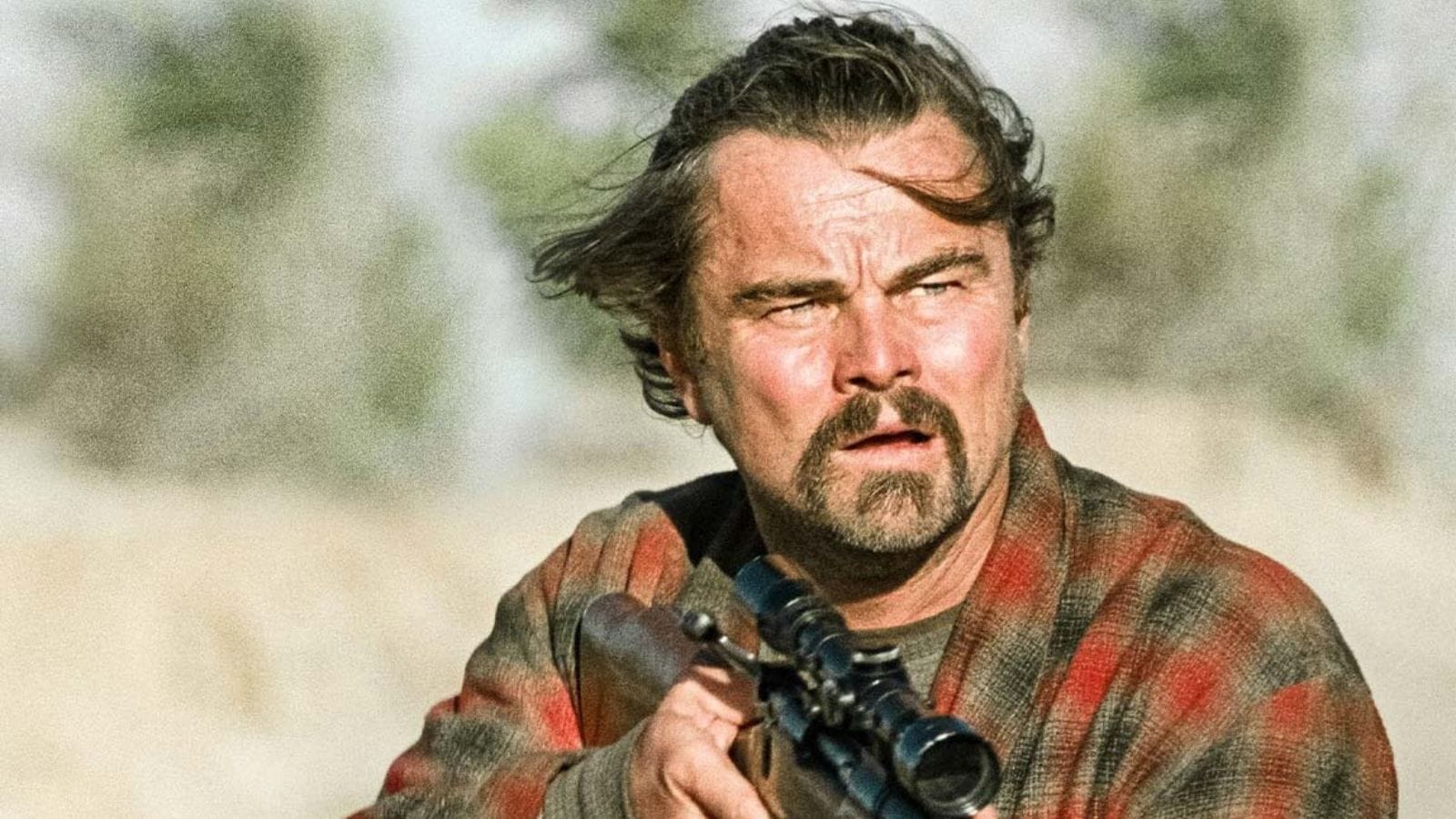
This politically-minded action thriller reckons with the current state of our world in a way that is freakishly timely: revolutionary failure, political resistance, immigration crackdown, government overreach, illegal military action, and white nationalism. But the film is ultimately a father-daughter tale of secrets, lies, overprotection, and love, and there’s sincere emotional resonance here amid the mayhem. It progresses with a sprinter’s pace, a keen sense of humor, and rollicking road-movie action. Working with the biggest budget of his career, Paul Thomas Anderson makes the most of his cast, locations, and set pieces while preserving the eccentric sensibility of his previous pictures. One Battle After Another is an instant classic. It's the movie of the moment and the year. — Jared Gores
DiCaprio flailing around begging for some kind of defensive weapon—and then being entirely ineffective when he uses it—summed me up this year. Surrounded by people far more capable and emotionally stable, driven by a crushing urge to protect the one he loves, the best he can possibly do is to be of some service to those who will actually save us from the moment. I can’t argue for this movie with anything approaching objectivity, apart from PTA being so frigging good at what he does. I think it’s the best movie of the year and the section starting with DiCaprio arriving at the dojo to him jumping from the car is my favorite movie of the century so far. — Lowell Bartholomee
For me, this is Paul Thomas Anderson ascending to a new level of narrative and directorial achievement: easily his strongest film yet and a movie that meets the cultural and political moment. One Battle After Another is riveting, breathtaking, heartbreaking, poignant and bitingly hilarious. — Aaron Maurer
Sinners
No singular moment in all of 2025 knocked my socks off quite like when Ryan Coogler unleashed a mid-movie aria of musical brilliance in his epic Prohibition-era, Mississippi-set triumph, Sinners. Past, present, and future all meld seamlessly into one, and those dancing the night away inside the juke joint newly opened by twin brothers Smoke and Stack (a never-better Michael B. Jordan) go on a sweaty journey of melodic euphoria that leaves them breathless. Coogler tackles issues relating to race, gender, cultural assimilation, white supremacy, economic disparity, and familial pain with razor-sharp precision, and a healthy dollop of vampiric terror for good measure. Social commentary masking as crowd-pleasing pop entertainment has rarely been this bloody (figuratively and literally) entertaining. A masterpiece. — Sara Michelle Fetters
A meditation on what it means to pursue freedom in a world designed to prevent you from having it that also is a vampire musical. The first hour develops the characters so that by the time shit starts going bad, you feel for them. Coogler's villains are always the richest part of his movies, and Remmick might be the best one, promising a perverted vision of equality that may actually seem liberating compared to Jim Crow. The “I Lied to You” scene is an all-timer. — Ben Seitelman
Marty Supreme
The struggles of a Jewish man post-war trying to make a name for himself in a hostile world, one that is just as richly developed as The Brutalist yet more grounded in the Jewish experience and anxieties of trying to rebuild after the Holocaust. More importantly, Timothée Chamalet owns the movie; he’s electric as he moves through this world, holding your empathy even if he makes one wrong choice after another and discards other people like ping-pong balls, something to batter in his pursuit of glory. Should win Best Casting at the Oscars as well for all of the unique faces on display (Abel Ferrara! Penn Jillette! Kevin O’Leary!) — Ben Seitelman
Josh Safdie knows exactly what makes Timothée Chalamet one of (if not the) biggest movie stars of his generation, and blows all those qualities up to create a performance that is impossible to look away from. It’s vital to buy into Marty as a compelling character, and they manage to make a 1950s ping-pong player seem as electrifying as the best and most entertaining modern athletes. Barring some sort of miracle, this will be the defining role of Chalamet's life. — Daniel Herman
Weapons
Consider: You are the subject of a gerontocracy. The rulers of this gerontocracy don't have any plan for how to make your country work. They don’t have any appreciation for their subjects. They don’t even enjoy ruling. But they have to remain in control, anyway, forever. For now, we don’t have a solution to this problem but we do have the last few minutes of Weapons, the most cathartic cinematic experience of the last few years. — Michael Taylor
Despite being an American of the appropriate age, all of the theorizing that this was actually about school shootings completely eluded me (though I understand why people thought this). To me, it’s a film about how the old wish to continue their rule of us all, and are willing to do whatever is needed to maintain it. Hopefully a pack of kids ensue. — Edward Savoy
Train Dreams
Life. Death. Longing. Love. Regret. Devastation. Rebirth. Based on the exquisitely austere novella by Denis Johnson, Train Dreams is a transformational stunner of a rapidly changing Pacific Northwest of the early 20th century. This picturesque saga of a man who literally lays the tracks for an ever-changing world he’ll barely see is a haunting spectacle that cuts deep and leaves lasting scars. But thanks to Joel Edgerton’s toweringly meditative performance, Adolpho Veloso’s magically lush cinematography, and Bentley’s astute direction, tragedy and triumph walk hand-in-hand. An absolute marvel. — Sara Michelle Fetters
Sentimental Value
Steeped in artistic remove, the characters of Sentimental Value don’t so much as cling to their opinions, but rather share their disappointments. This allows for a truth-in-sadness Bergman vibe that the always-improving Joachim Trier makes relatable and easy-going. (Did Netflix OK all those jokes at their expense?) The attention to craft and exploring the idea of “art as therapy” was more than enough for me to inch this up a year end list. — Caleb Shively
It Was Just An Accident
By far the best ending—final shot, even—of the year. Come for the moral dilemma and rumination on trauma, stay for the unexpected humor of guards whipping out credit card terminals because the more things change, the more they stay the same. — Devan Suber
Black Bag
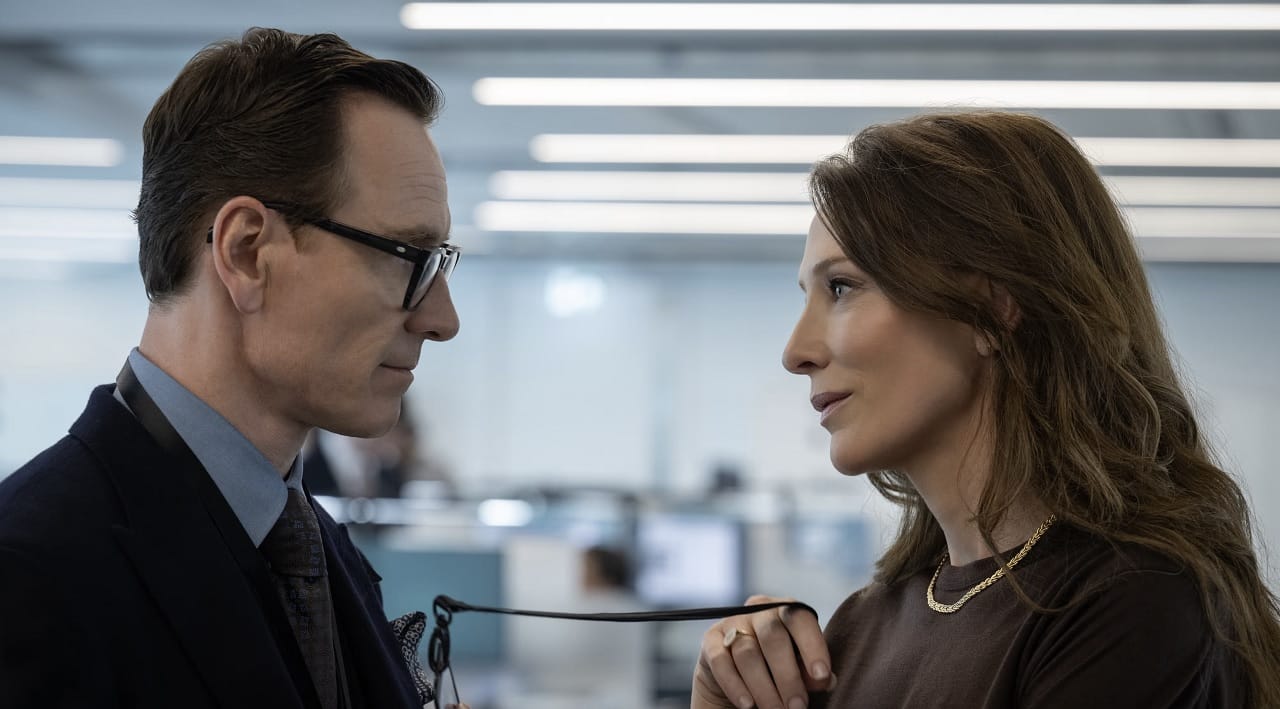
A straight shot of hot genre fun, sexy and sleek and completely at ease with its own tropes. It's got 'em all: inter-agency politics, hot spies fucking each other and fucking each other over, procedural jargon that would make le Carré blush. It’s what it says on the label, and it goes down smooth. What more could you want? — David Wilson (a.k.a. “Utah, Gimme Two”)
Black Bag might not grapple with weighty themes to the same degree as Steven Soderbergh’s deepest films, but there’s something to be said for a perfectly-crafted Who’s Afraid of Virginia Woolf?-inspired spy thriller that clocks in at under 95 minutes. Hooked from the opening oner, not a single scene is wasted. You don’t achieve this level of efficiency without everyone operating at the top of their game, from the pitch-perfect cast, to frequent Soderbergh collaborators David Koepp and David Holmes. How else could a 10 minute group dinner conversation, with everyone simply sitting at a table, be one of the most dramatic and chaotic scenes of the year? — Amir
The Secret Agent
This has the greatest opening scene of the year. It’s perfectly constructed with so many brilliant elements, from the proprietor with his gut hanging out to the venal cops to the dead man lying there the entire time. And it’s exquisitely paced, so that even though nothing dramatic is happening, you’re on the edge of your seat the whole time. That single scene encapsulates everything that will follow for the next two hours. It’s also wild that this movie’s plot critically turns on a dispute in academic bureaucracy, where the government-appointed bureaucrat is a venal philistine who wants to run roughshod over academic independence and faculty governance. Is this my favorite movie of all time? — Jamsheed Siyar
On the Also-Rans
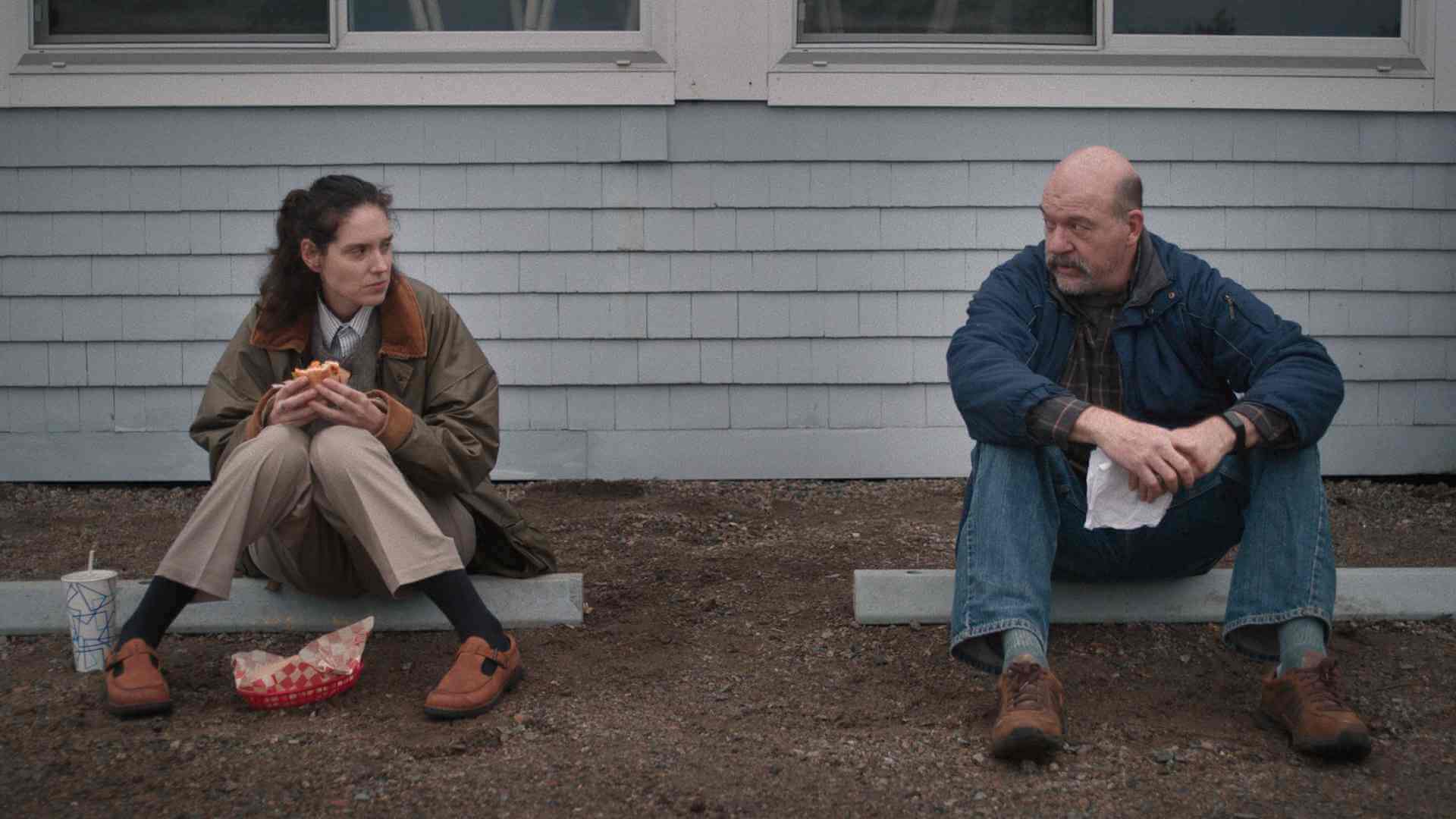
Sorry, Baby
There’s lots to admire in this movie—the long shot/time shift of a house being one of the more remarkable sequences of the year, summoning more dread than any number of whole horror movies—but Eva Victor’s parking lot encounter with John Carroll Lynch hit me hard and deeply. In a moment of crisis, we can only be so lucky to run into a (non-Invitation or Zodiac) Lynch character and this scene is the reason why. His understanding and generosity to Victor in that moment is a beautiful portrayal of grace in a movie patient enough to find it. I'm grateful to Victor for writing it and to the forces that allowed it to be cast so perfectly. — Lowell Bartholomee
The Mastermind
I am a big fan of the classic 1960s-70s highbrow (or quasi-highbrow) heist film, and I enjoyed seeing a film that explored the psychology of theft yet doesn’t embrace the fantasy you get even in the more hardboiled examples of the genre. The fact that I am from one of Boston’s satellite municipalities adds to the appeal; While before my time, the environment, costumes, and overall look of The Mastermind—modest but with an understated, worn-down sophistication (Josh O’Connor is no Alain Delon in Le Cercle Rouge—really worked for the film’s themes and connected with me personally. — Alexander Naylor
The jazz-inflected score is fantastic, and in part thanks to it, the first half of this movie feels snazzier and funnier than anything Reichardt has done before (and it’s quite fast paced by her standards). But the hangover of the second half comes down hard. And the ending is jaw-dropping, because Reichardt has been preparing you for it all through the film. It's also a movie for our times because it shows the impossibility of sitting on the sidelines—collaboration or resistance are the only two options. — Jamsheed Siyar
28 Years Later
The greatest movie of the year, by a long distance for me. I am 28 years old, the first time I could vote was in the Brexit referendum. Boyle and Garland have managed to capture all my anxieties coming of age in this era of uber nationalism, hate, grief and rage and turn it into an epic poem. This is a national myth akin to Beowulf or Gawain and the Green Knight in the guise of a zombie movie. It's so thoughtful and considered and it yet it fucking rips. The photography is electric. The score is haunting. The incomparable Jodie Comer gives an incredibly poignant performance. 28 Years is the first zombie movie to truly reckon with the genre's inherent demonization of the sick and the way the undead rob survivors of their grief. It's a beautiful, sincere memento mori and weirdly a better adaptation of Minecraft than the Minecraft movie. — Robert Furry
Eephus
A gentle reminder about the relativeness of importance and how what seems trivial to some can be monumental to others. A great film to just let wash over you. Meditative without being meandering, as every cut to the radio or the clouds or the scant spectators helps enhance the feeling of being there in the moment with the players. This film captures the community that can form at the best of times from low-stakes competitive sports, where it’s less about winning and more just an excuse to be out there on the field, passing the ball around late at night. Was especially taken with the Franny character, the superfan who seems to attend all the games but doesn’t know what to do with himself when the players thank him and ask him to hang out. You know he’s there for the pure love of the game. Like Sinners, Eephus is a film about holding on to shared communal spaces in the face of their inevitable demise. — Sam Pettit
If I Had Legs I’d Kick You
A movie seemed tailor-made for my interests (Rose Byrne, Mumblecore alum director, zany title, my friend Conan O'Brien), and it overdelivered: fast paced to match an angry person’s ire at the situations in front of her: from a caved-in ceiling to a curfew of the hotel's wine sales to a sick child filmed as a specter haunting her every move. Tense, stress induced filmmaking applied to the stressfulness that is motherhood. — Caleb Shively
This is the one I only just saw, so I’m still processing. My wife and I recently caught up on both seasons of Platonic and I considered saving this to watch with her, and five minutes in I knew what a fool I had been to think that. You could not design a horror movie more tailored for her. She even had a hamster as a kid and it ended poorly. I’ve seen people compare it to things like A Woman Under The Influence, The Babadook, and Repulsion, but the situation with her ceiling sent me to Tsai Ming-liang’s The Hole. I also thought “Shrinking, but evil.” — Steve Brady
Frankenstein
Unapologetically melodramatic in tone and maximalist in style, particularly when it comes to the production and costume designs, Guillermo del Toro’s adaptation taps into the existential loneliness and fury at a society shaped by violence and subjugation that drew me to Mary Shelley’s novel without feeling constrained by the original text or contorting itself to seem “relevant" to the modern world. Who needs subtlety when you have Romanticism (and a haunting and haunted Jacob Elordi)? — Angela Woolsey
Eddington
More than just about any other film from 2025, this one has stuck with me. Years or decades from now, if our descendants ask “What was it like to live through COVID-19?,” you could do a lot worse than a screening of Eddington. From the specific details—masking in stores, tape lines on the floor keeping us 6 feet apart—to the overall feeling of a society wobbling on the precipice of collapse, Eddington is COVID-19 in the way that Apocalypse Now is the Vietnam War. — Brendan Steele
Pavements
Does an experimental, quasi-documentary/biopic about a ’90s indie rock band well past its heyday even have an audience? Well, it at least had an audience of one: me! This was as messy, idiosyncratic, and beautiful as any Pavement record. Each of the disparate parts that make up the film surprised me in the best ways. The faux-biopic of the band, complete with Joe Keery’s brilliant send-up of method acting, was hilarious. The jukebox musical applied a nakedly sincere approach to music that’s often nakedly insincere. I’ve listened to these songs a million times, but to hear them in the musical context is like hearing them for the first time. — Harrison Reilly
The Naked Gun
It’s not like comedies have vanished completely, but smart-dumb fare like this is so rare it’s like unearthing a time capsule stuffed with whoopee cushions. — Trevor Pyle
Misercordia
Have you ever been so horny, that you ignored obvious signs someone is guilty of murder? This movie is for you! — Chris Berube
Other Observations
The year started with fires and losing David Lynch. It ended with the horrible Rob Reiner tragedy and ever-stampeding authoritarianism. With everything in between, few years deserve a “Fuck me? No, fuck you!” more. At least the movies did what they could to help. — Lowell Bartholomee
It’s probably not just an accident that my top films of the year mostly center on resistance to authoritarian regimes. In fact, given long production schedules, it’s remarkable that so many excellent and powerful statements against authoritarianism and fascism hit screens in such close proximity, like a cluster of bullet holes from different guns near the center of an ominous target. Another remarkable fact is how gripping and entertaining so many of them were. It’s almost as if the past several years of world events had pressed filmmakers from all over the world inexorably toward the same distant goal. If only the forces of democracy and simple sanity can pull off the same feat next. — Bill Shunn
I know that anecdotes aren’t evidence, but when it comes to the future of cinema as a communal theatrical experience, I’ve been heartened by how my youngest kid — age 21 — has embraced cinephilia as part of their personality. We saw Sinners and Weapons together last year, and they got together with a big group of their college pals to go see One Battle After Another. After that movie, they and their friends went out to dinner and argued about the film. The old ways still survive! — Noel Murray
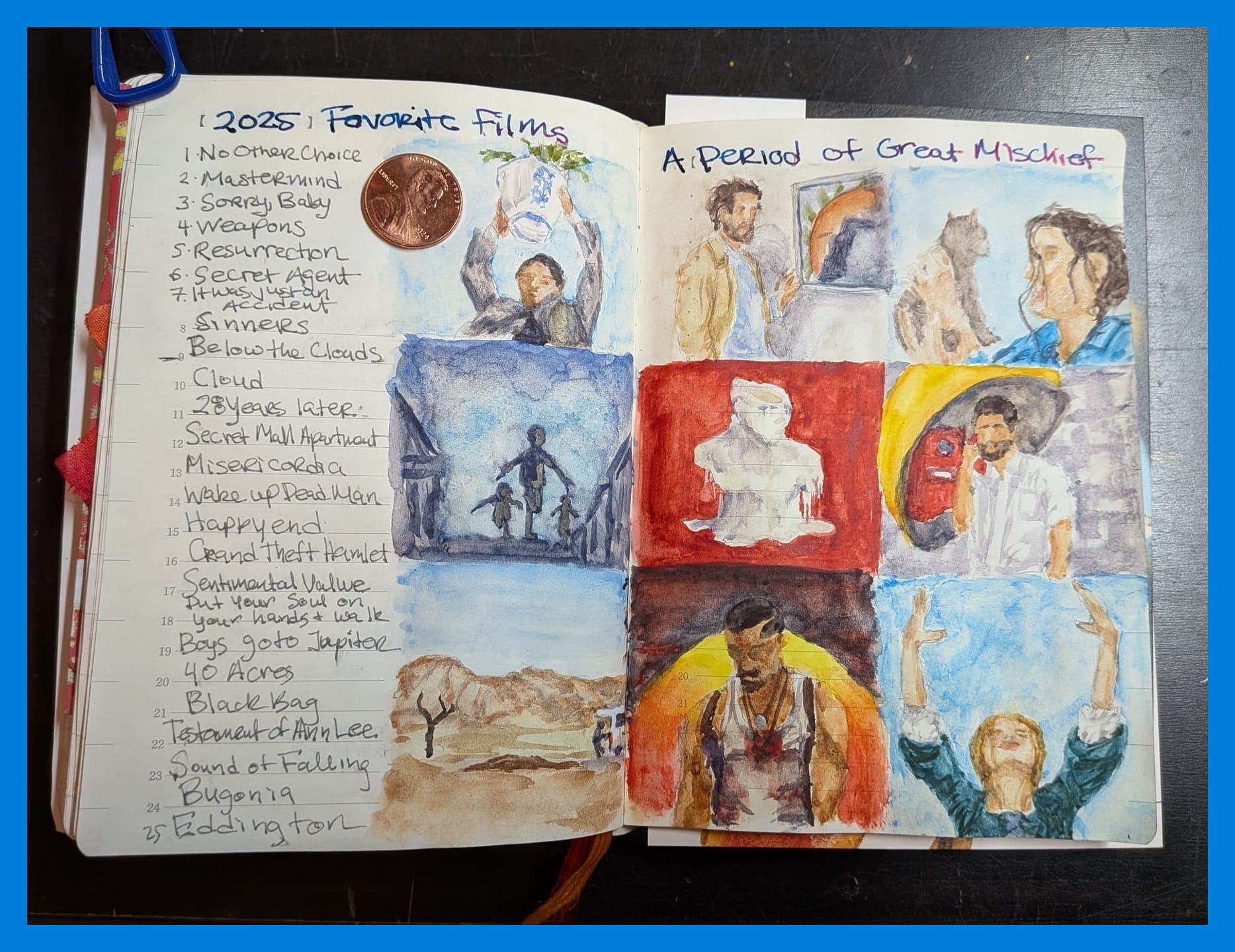
And a Painted Best-Of, Submitted by Pamelyn Woo



Discussion