The Best Films of 2025 (Scott's List)
A bad year for the world can't stop another great year for movies.

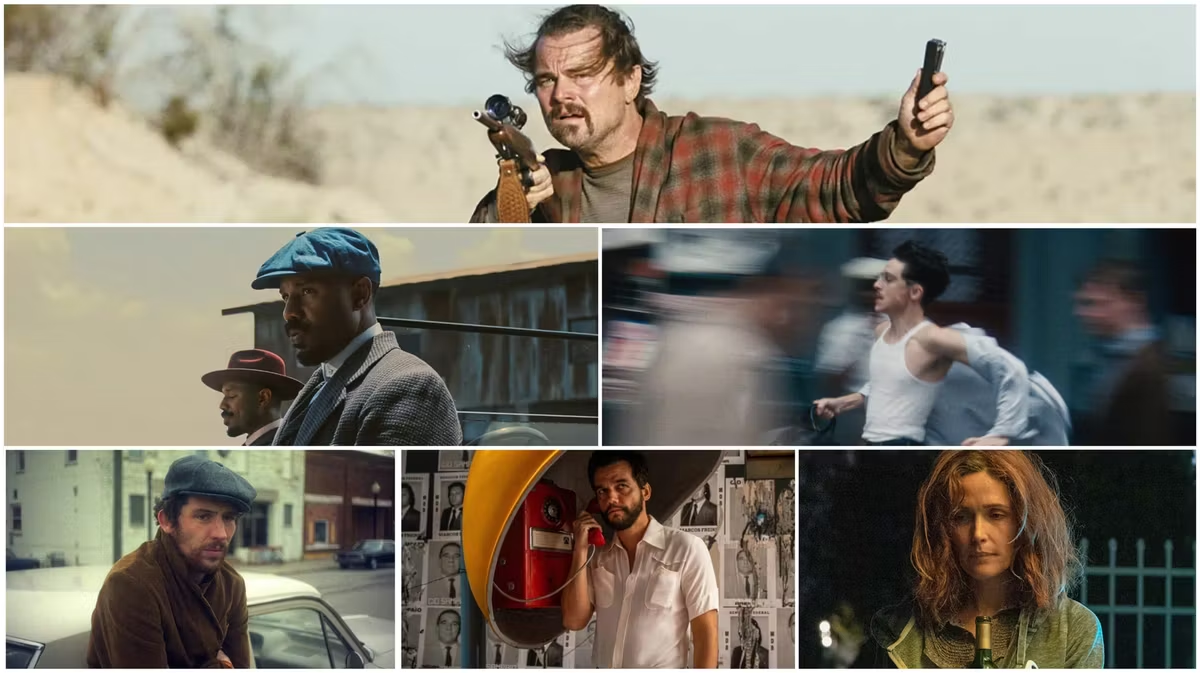
As Keith noted yesterday, 2025 was a bad year… but not for movies. Never for movies. Even with Hollywood continuing to narrow its focus on IP and expose itself to dark political and technological machinations, filmmakers in America and abroad were unbowed and productive, and the sheer quantity of great work that hit theaters in 2025 made movies a reliable salve in tough times. Nobody stopped Richard Linklater from turning out two estimable period pieces, Nouvelle Vague and Blue Moon, in a single calendar year, and directors like Jafar Panahi (It Was Just an Accident) and Julia Loktev (My Undesirable Friends: Part 1 - Last Air in Moscow) put themselves in the soup to deliver urgent missives about life under brutal regimes. At the same time, the Hollywood system couldn’t stifle the audacity of big visions like Ryan Coogler’s Sinners and Paul Thomas Anderson’s One Battle After Another. Just as humans are resilient, the movies are, too. Here are my highlights:
The Top 15
15. The Plague (dir. Charlie Polinger)
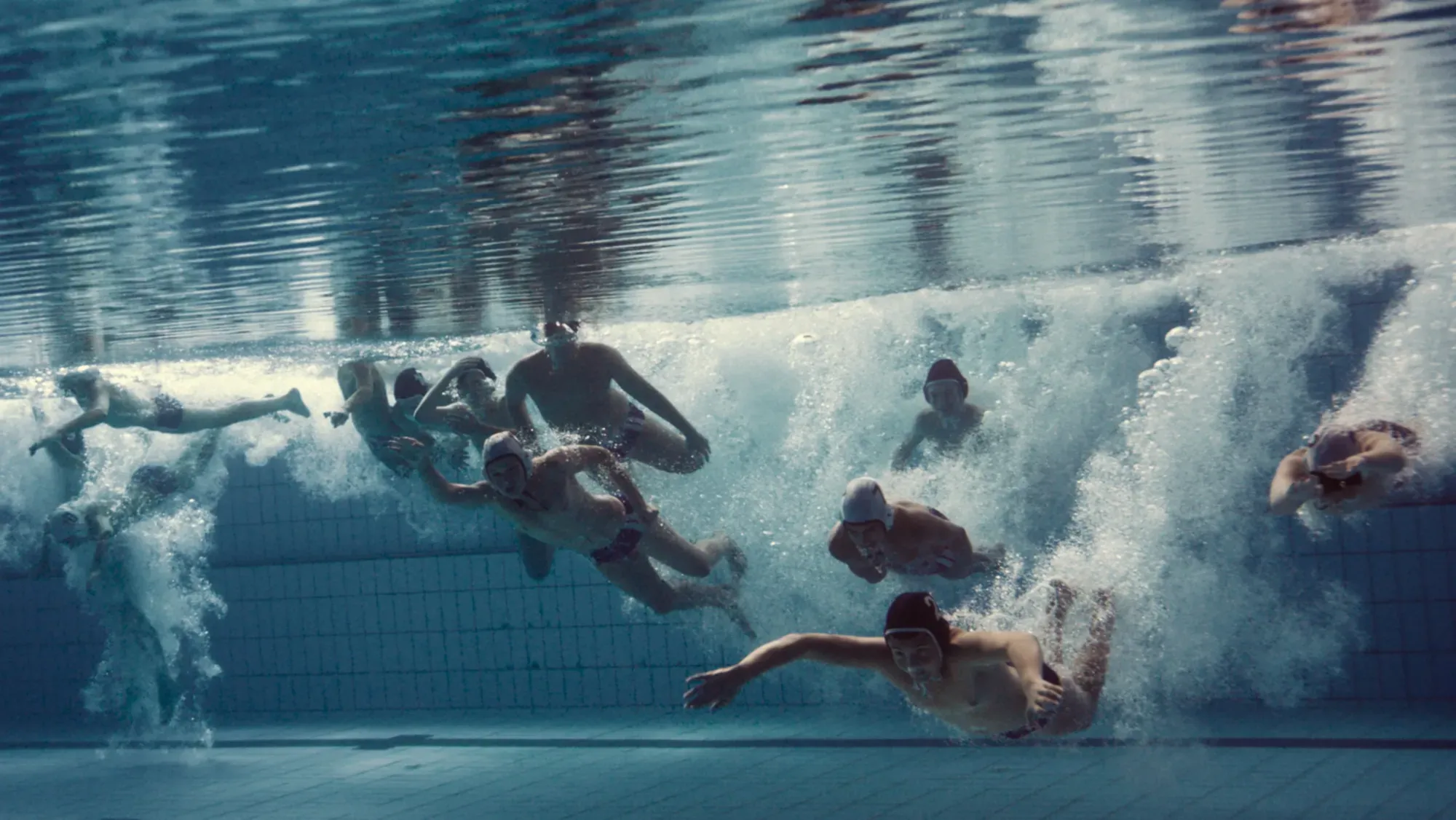
The sporting world has always been a natural battleground for masculinity, but the specific brutality of water polo, a team game where most of the violence happens under the surface, proves to be ideal for a coming-of-age story. In his assured debut feature, writer-director Charlie Polinger turns a water polo camp for boys into a cross between The Lord of the Flies and the first third of Full Metal Jacket, as a 12-year-old (Everett Blunck) finds himself on the wrong end of a tribal culture that punishes outsiders. Kayo Martin is wonderfully sinister as his chief tormentor, making up in chilling self-assurance what he lacks in physical size, and Joel Edgerton is fun as the earnest camp counselor who misses everything happening under his nose.

14. Bugonia (dir. Yorgos Lanthimos)
The world keeps bending toward Yorgos Lanthimos. Since his breakthrough film Dogtooth, Lanthimos has continued to do satirical variations on the premise of characters who exist in their own absurd information bubble, rarely punctured by the outside world. With his remake of the Korean sci-fi/comedy Save the Green Planet!, about a conspiracy nut (Jesse Plemons) who kidnaps a CEO (Emma Stone) he believes to be an Earth-destroying alien, Lanthimos again unpacks the impenetrable logic of a man who constantly twists reality to reinforce his worldview. At the heart of Bugonia are the one-on-one confrontations between Plemons and Stone, who’s particularly brilliant as a Type-A executive who leverages every bit of power she can muster in a desperate situation.
We hope you're enjoying this look back at the best films of 2025. To make sure you never miss anything we publish in 2026, and to keep this independent publication dedicated to bringing you great essays, reviews and conversation about movies, please consider becoming a paid subscriber. Paid subscriptions are what allows us to keep The Reveal growing and going.
13. Misericordia (dir. Alain Guiraudie)
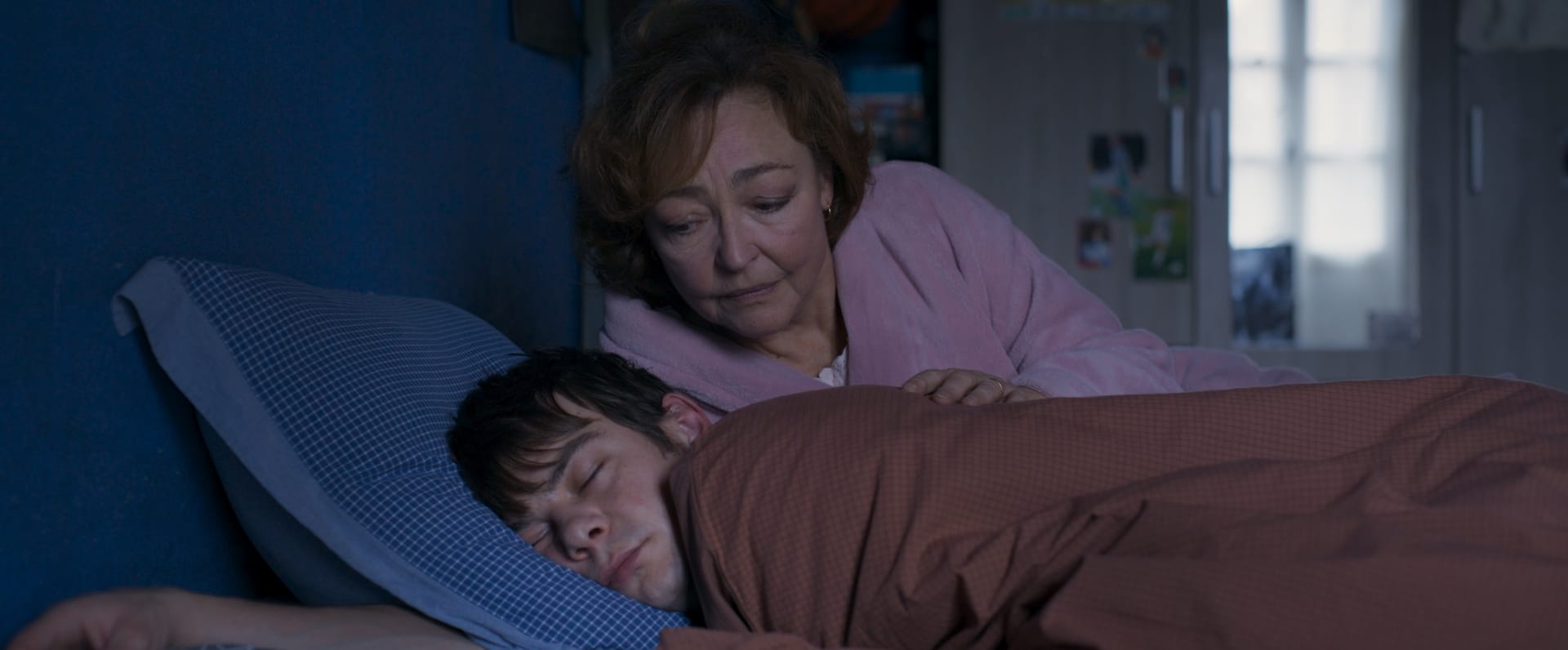
The reliably strange French director Alain Guiraudie, whose queer “thriller” Stranger by the Lake justifiably turned heads a decade ago for its deconstructed take on cruising culture, returns with another unsettling, genre-exploding question mark of a movie. The basic story of a mysterious young man (Félix Kysyl) who returns to his hometown and stirs up long-dormant trouble from his past is standard-issue for film noir, but Guiraudie establishes a mood and a pace that’s entirely off beat. The key is a hero whose presence draws a strong response from everyone he encounters yet whose motives are teasingly inscrutable. Who is this man and why does he invite—and even court—so much hostility? Guiraudie isn’t in a hurry to resolve those questions for us.
12. Eephus (dir. Carson Lund)
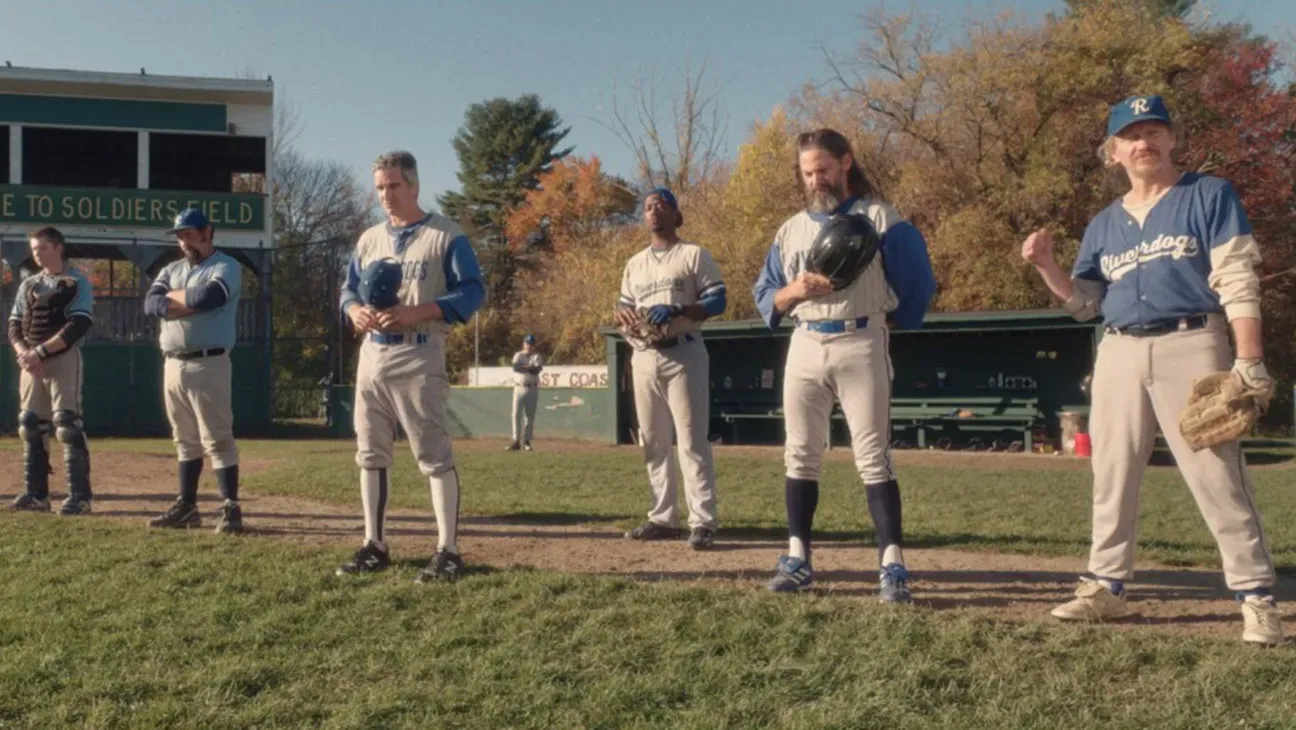
Back when I saw Eephus for my “Catching Up With the Critics” column last May, I labeled its list potential as “extremely honorable mention,” but when you get to “best-of” season, the films with the most vivid and memorable details are the ones that tend to rise to the surface. And Lund’s soulful and hilarious film about two amateur baseball teams squaring off in a stadium scheduled for demolition is full of them, from the practice of hunting down foul balls in a woodland thicket to the use of car headlights to extend the game as it stretches past sundown. Death may be the prevailing theme here—the players, the town, and even the sport itself are on the wane—but not since Bull Durham has a baseball comedy been wiser or funnier.

11. If I Had Legs I’d Kick You (dir. Mary Bronstein)
The SCU (Safdie Cinematic Universe) exploded in 2025 with Josh and Bennie Safdie splitting up to make Marty Supreme and The Smashing Machine, respectively, and Mary Bronstein, wife and collaborator of frequent Safdie screenwriter Ronald Bronstein, making this bleeding ulcer of a movie in the same heightened style. Maternal ambivalence was the theme of another significant 2025 film, Lynne Ramsay’s Die My Love, but Bronstein’s woman on the verge of a nervous breakdown, played brilliantly by Rose Byrne, is yanked through a tighter, gnarlier narrative wringer. Typical of SCU movies, If I Had Legs I’d Kick You brims with activity, as Byrne manages several crises at once, but Bronstein makes room for colorful supporting performances by Conan O’Brien as her put-upon therapist and the magnetic A$AP Rocky (see also: Highest 2 Lowest) as a sympathetic neighbor at the flophouse where she takes up residence.
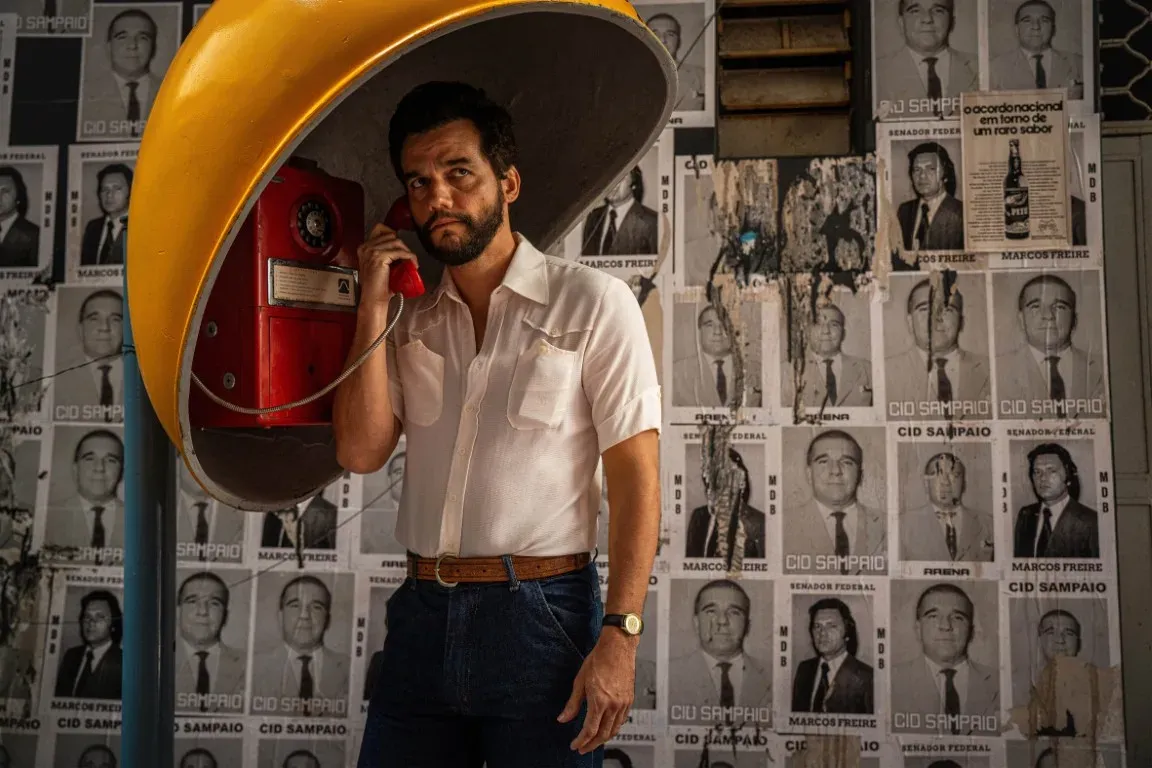
10. The Secret Agent (dir. Kleber Mendonça Filho)
Following up the wild left turn of his previous narrative feature, the instant cult classic Bacarau, about a small town besieged by insidious outside forces, Mendonça retreats to the familiar territory of his native Recife, Brazil, with this period piece about living under a military dictatorship. Yet his affinity for political dissidents persists in The Secret Agent, as does the keen sense of place that he established in previous work like Neighboring Sounds and Aquarius. Like an unintended companion piece to One Battle After Another, this film evokes a leftist subculture of academics and activists who serve as a bulwark against government oppression—in this case, the cruel functionaries who have trampled through the life of a professor (a superb Wagner Maura) in the mid-to-late ’70s.
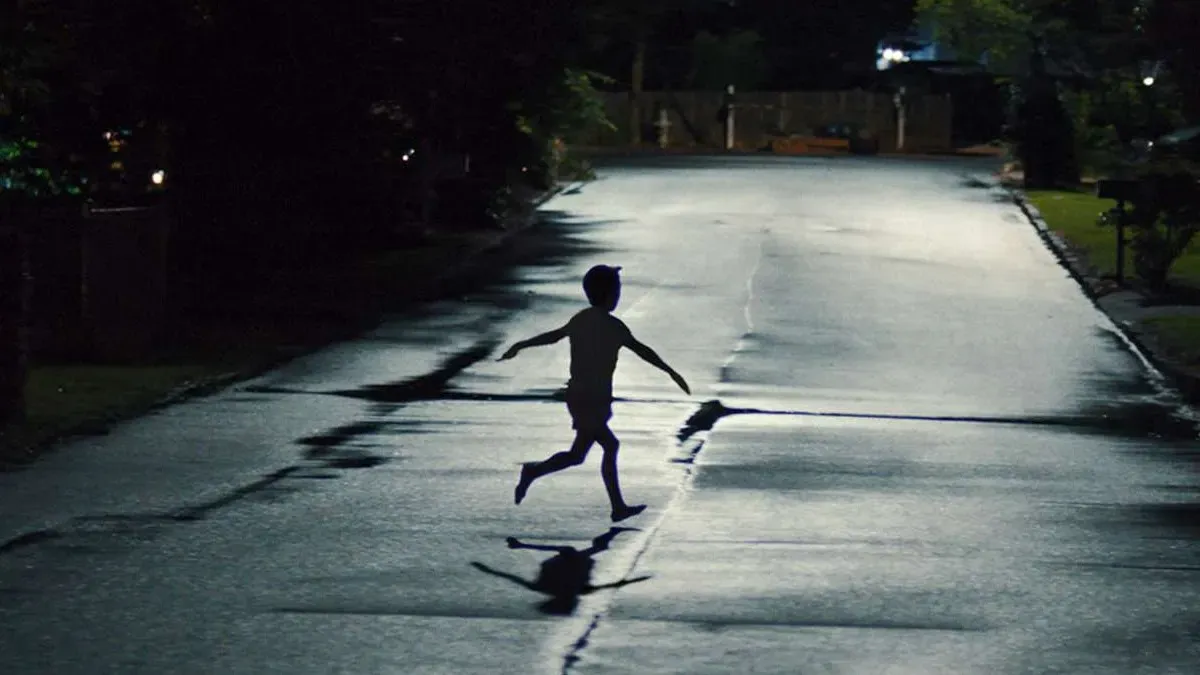
9. Weapons (dir. Zach Cregger)
Cregger’s follow-up to Barbarian expands triumphantly on the earlier film’s structural ingenuity and wit while deviously playing the audience like a piano. (The pleasure of seeing Weapons a second time in theaters came mostly from anticipating the shrieks of horror and/or delight around certain setpieces.) Cregger has a gift for arena-ready hooks—the conceit of 17 schoolchildren dashing mysteriously into the dark at 2:17 a.m. is “Smells Like Teen Spirit”-esque in that regard—and he sketches some memorable characters, too, including Julia Garner as a hard-living teacher scapegoated for the disappearance and Amy Madigan as the freaky “Aunt Gladys.” As a big, mainstream entertainment, Weapons slakes the thirst like a big bowl of water.
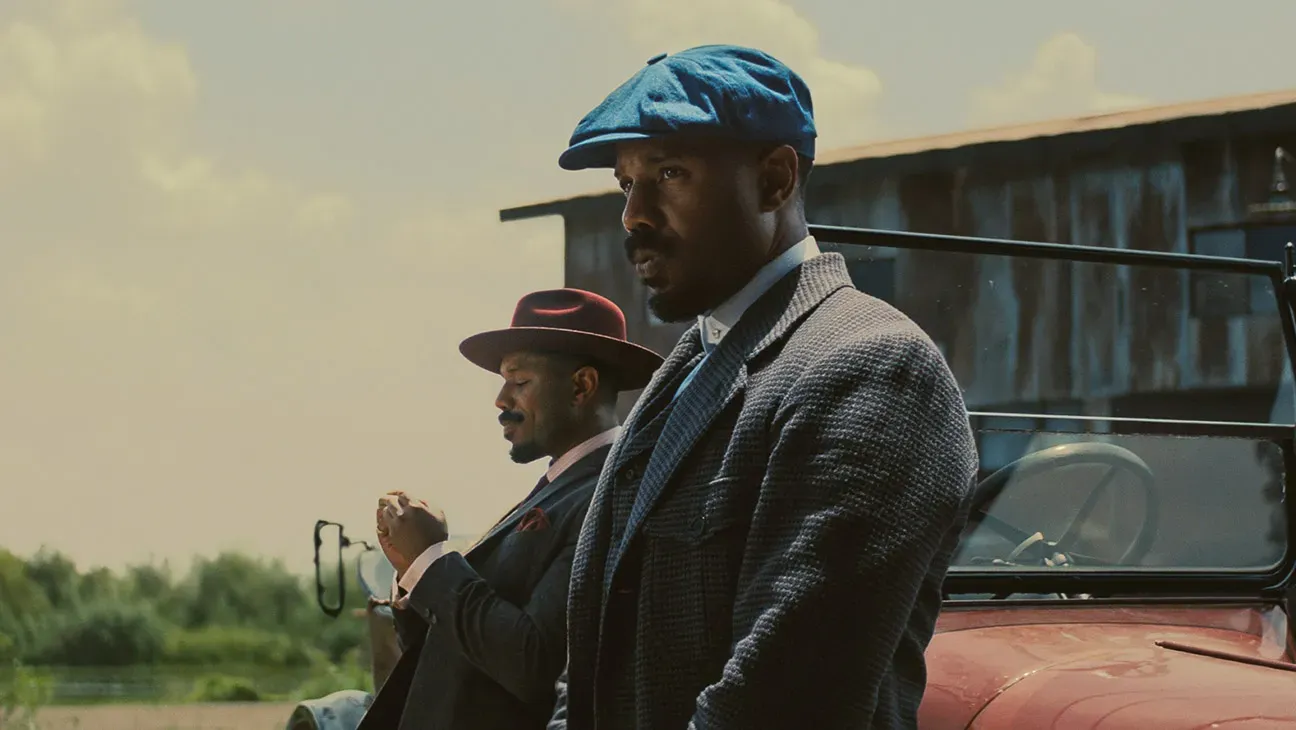
8. Sinners (dir. Ryan Coogler)
In the guise of a shit-kicking action-horror scenario along the lines of From Dusk ’Til Dawn, Coogler’s audacious twist on creature lore uses vampirism as an elastic metaphor for race in America while delivering the genre goods with rousing force. Coogler’s patience in establishing the tensions, communities and vibrancy of a small town in Jim Crow-era Mississippi—this would be a great film without vampires, too—pays off in a confrontation that doubles as a rich metaphor for cultural appropriation and the meaning of freedom in a country where it’s not distributed equally. Bonus points, too, for the greatest post-credits scene in movie history—a dubious honor, perhaps, but the distance between it and second-best is downright Himalayan.

7. Sentimental Value (dir. Joachim Trier)
Trier has become a reliable source of witty, literate, finely wrought Norwegian dramas, and Sentimental Value is no exception, as he explores the emotional toll of an aging artist who’s opted to make cinema out of the wreckage of his family’s past—a mess he’s heavily responsible for creating. What sets Trier’s latest film apart are the quartet of outstanding lead performances: Stellan Skarsgård as a director who resurfaces, Royal Tenenbaum-like, into the lives of his estranged daughters, looking to pick at old scabs; Renate Reinsve as the daughter so affected by his mistakes that she refuses to act in the screen role he’s written for her; Elle Fanning as the American star who takes the role instead, but struggles to find her footing; and Inga Ibsdotter Lilleaas as Reinsve’s more stable and accommodating sister, who’s sneakily gives the most affecting turn of the four.

6. Predators (dir. David Osit)
From 2004 to 2007, the Dateline NBC newsmagazine show ran the popular show To Catch a Predator, which was like a Candid Camera for would-be child sex offenders: Every episode, men turn up at a house, expecting an encounter with an underage boy or girl, only to be surprised by the host, Chris Hansen, asking what they’re doing there. But the dubious ins and outs of that show are merely the jumping-off point for a deep, multi-faceted and devastatingly personal documentary about how such spectacles fail both as public justice and as a satisfying answer to the question Hansen turned into his trademark. It’s also a great film about filmmaking, with Osit challenging the audience to think about offscreen space and the ethics of weaponizing the camera.
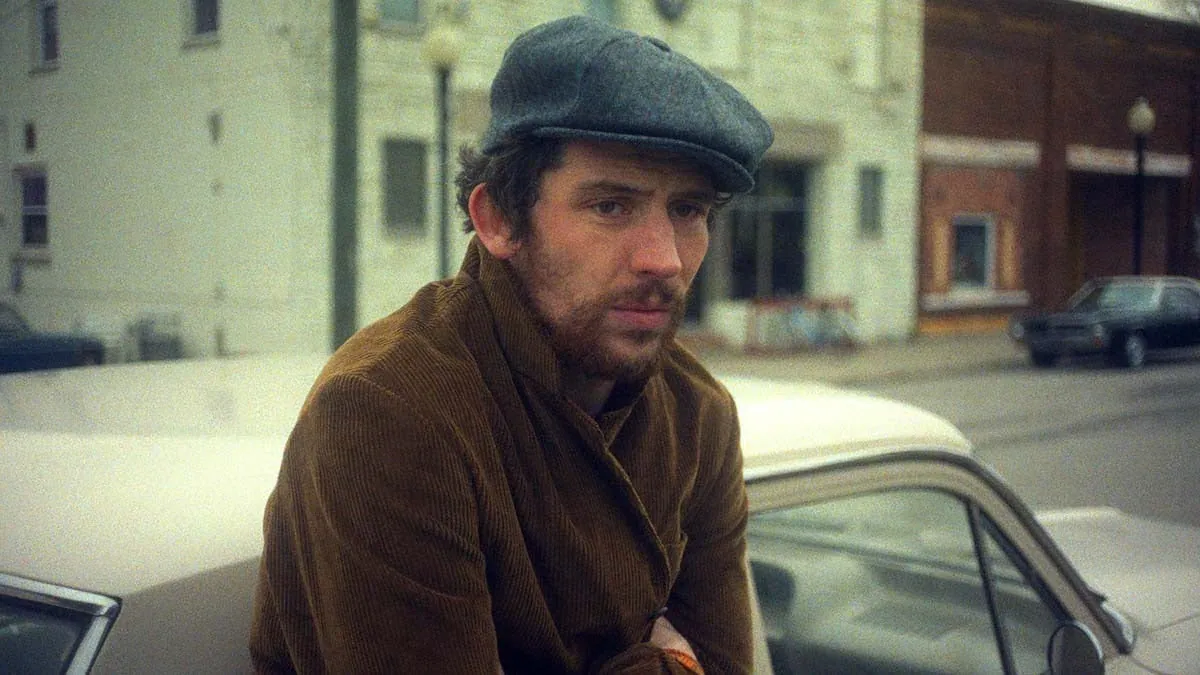
5. The Mastermind (dir. Kelly Reichardt)
Reichardt has displayed a facility for stories about amateur criminals before in previous films like River of Grass and Night Moves, but this anti-heist picture is something special, a generously entertaining riff on the genre that comments firmly on the scruples of a man out of step with the times. In one of two equally fine lead performances this year—the other, from Rian Johnson’s Wake Up Dead Man: A Knives Out Mystery, may be the most potent in the whole trilogy—Josh O’Connor dials back his abundant charisma to play an unemployed carpenter in 1970 who decides to lift four Arthur Dove paintings from a small art museum in Massachusetts. There’s great fun in watching his terrible plan unravel. (What’s a guy to do when he’s asked to take care of the kids on the day of the robbery? And who’s going to fence this artwork?) But Reichardt brings the hammer down in a final sequence that exposes her antihero in deeper ways.
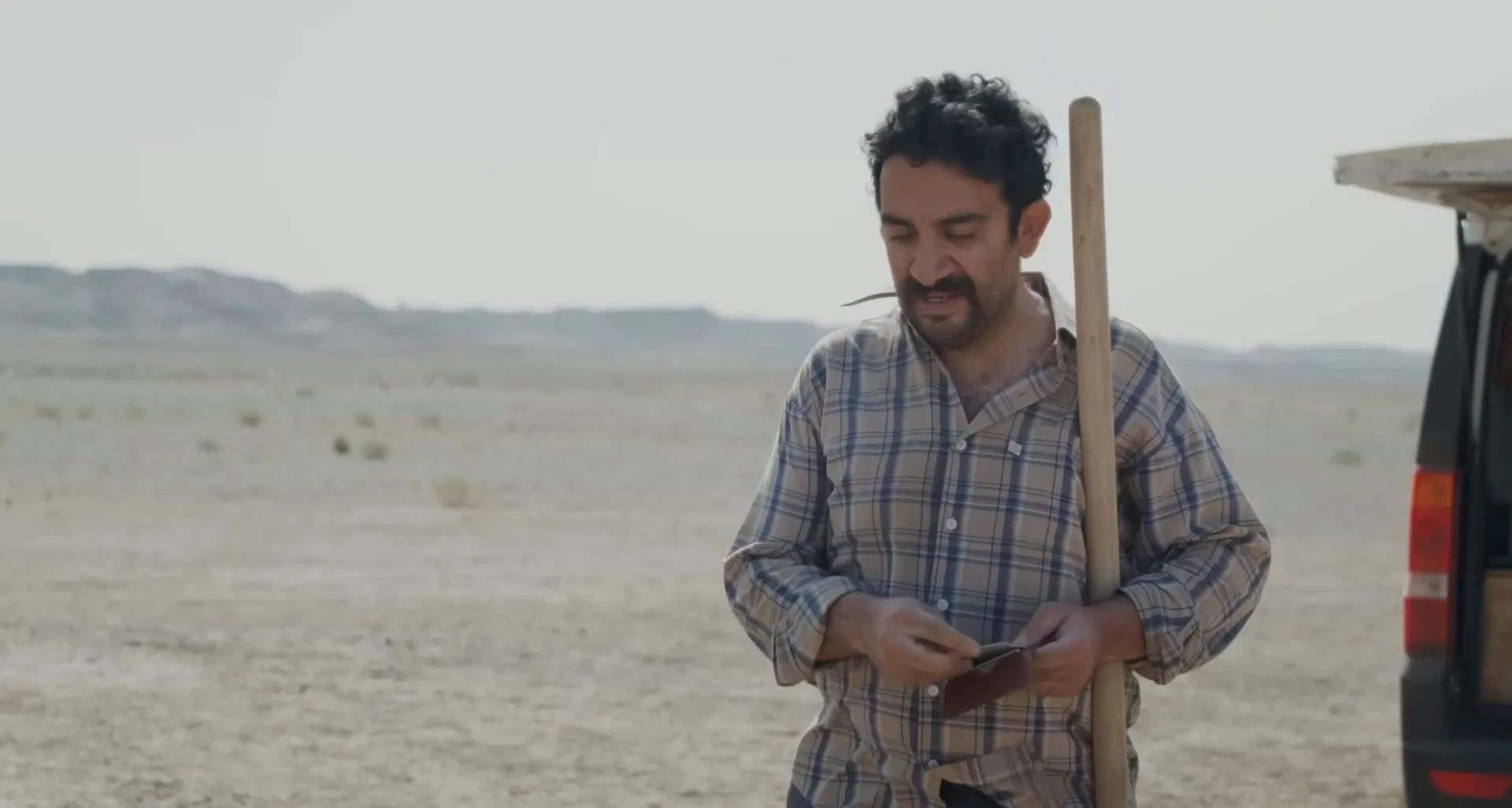
4. It Was Just an Accident (dir. Jafar Panahi)
Given his constant persecution by the Iranian government—and the just-as-constant defiance of his work over the past 15 year or so—there may be a tendency to understand Panahi as one of the bravest filmmakers in the world when, in fact, he’s actually one of the best. Produced with French money, It Was Just an Accident takes in more oxygen than anything he’s done since making This is Not a Film under house arrest in 2011, but its political urgency and force isn’t blunted by the (relatively) larger scope. In telling the story of a would-be revenge plot against a peg-legged prison tormentor, Panahi allows for the comedy of this flawed, oh-so-human undertaking to lighten the mood. But when it’s time for an emotional reckoning, the pain of living under an oppressive system, for oppressor and oppressed alike, comes tumbling out.
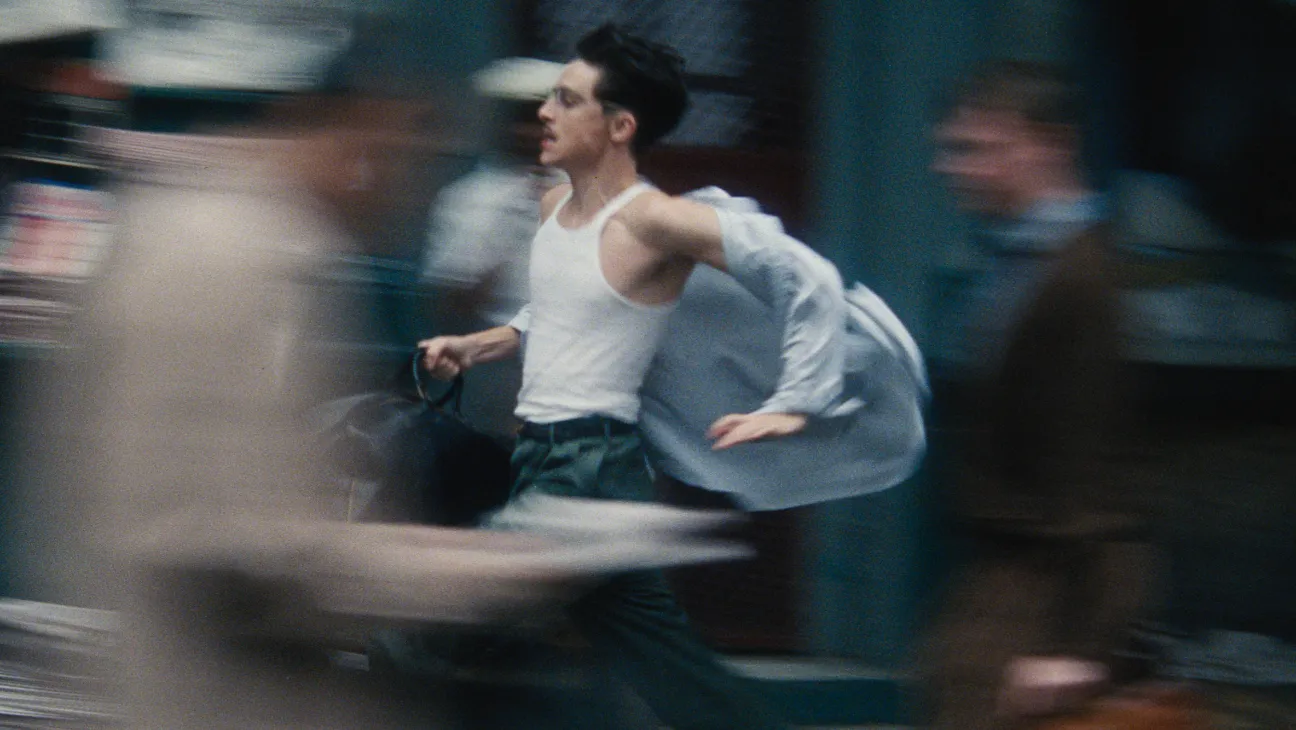
3. Marty Supreme (dir. Josh Safdie)
A hoot. Safdie’s follow-up to Uncut Gems, which he made with his brother Bennie, feels undeniably similar in its colorful, kinetic, relentlessly high-stakes rendering of a ne’er-do-well’s dubious pursuit of glory. But it’s nonetheless a joy to return to the beautifully textured chaos of Safdieworld, especially when the film is anchored by a performance as magnetic as Timotheé Chalamet’s take on a ’50s table tennis wizard who envisions himself as a major celebrity in a sport without a home audience. Safdie floods the zone with stimulants, from an anachronistic pop soundtrack to a cast brimming with New York faces and outsized personalities to match. Like Uncut Gems, it’s an overwhelming experience in the best possible sense, a celebration of the great American rapscallion.
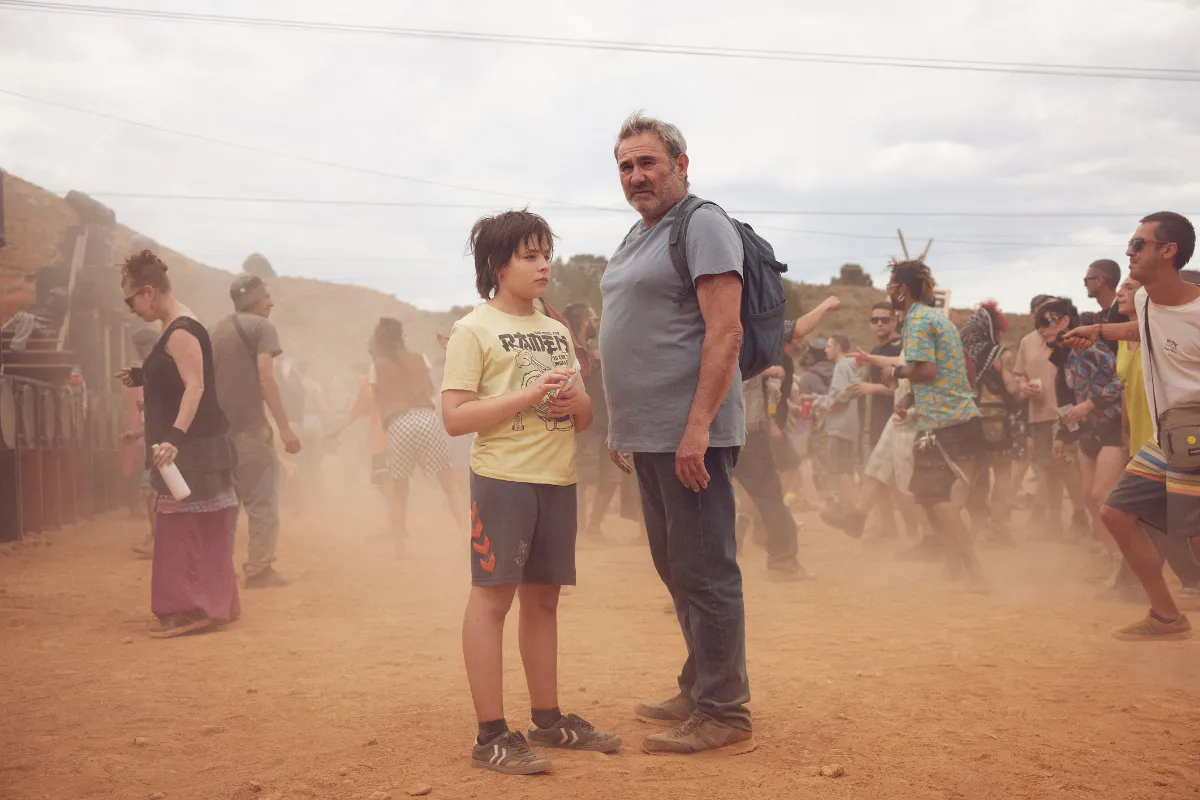
2. Sirāt (dir. Olivier Laxe)
Evoking Mad Max by way of Walkabout by way of The Wages of Fear, Laxe’s instant cult classic starts with the peculiar phenomenon of a rave scene in the middle of the Moroccan desert, where various misfits caravan from one spot to the next against a dangerous, vaguely apocalyptic backdrop. It’s here that a conspicuously square father (Sergi López), with young son in tow, goes looking for his missing daughter, embarking on a search that puts him in awkward company with the ravers. As the journey grows more perilous, Laxe delivers at least a couple of unforgettable shocks, but what finally emerges from Sirāt is a heartfelt portrait of a nomadic community that moves to its own defiant beat.
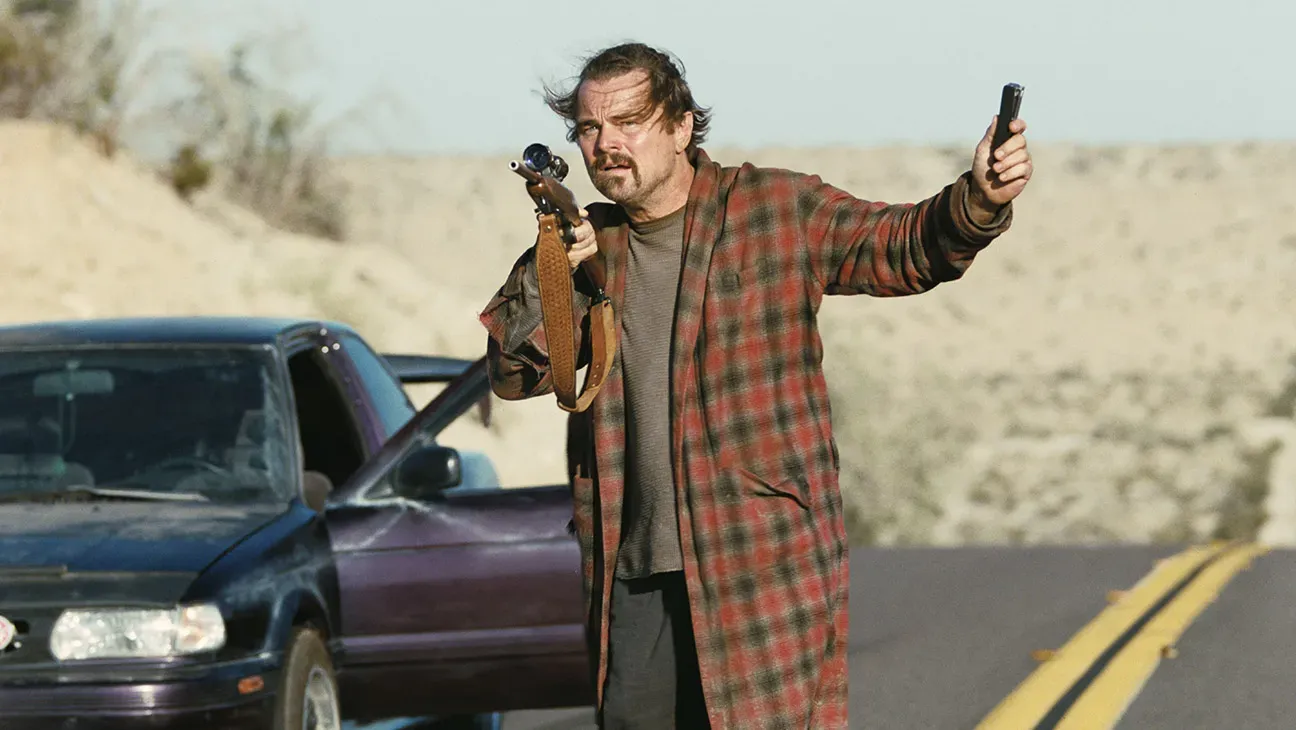
1. One Battle After Another (dir. Paul Thomas Anderson)
Every Paul Thomas Anderson film is an event, given how scrupulously he’s curated his career, but even by his standards, One Battle After Another is something special, because it’s so uncannily plugged into the times. There’s so much 2025 in Anderson’s dynamic portrait of former leftist radicals on the run, starting with a sequence where the group liberates an immigrant detention camp set up on a patch of fenced-in concrete near the U.S.-Mexico border. But then, the title of One Battle After Another suggests that such confrontations are evergreen in a country where insidious forces continually bear down on small pockets of resistance. Anderson shows an impressive facility for making an accessible, big-screen Warner Bros. studio entertainment but he does it his own way, as in a climactic car chase sequence through rolling hills that’s unlike anything of its kind. The film feels like a gift.
Honorable Mention (no particular order): On Becoming a Guinea Fowl, Pavements, The Testament of Ann Lee, Die My Love, Train Dreams, Zodiac Killer Project, Black Bag, Nouvelle Vague, Blue Moon, My Undesirable Friends: Part I - Last Air in Moscow, Wake Up Dead Man: A Knives Out Mystery, Lurker, Eddington, Familiar Touch, The Naked Gun, Warfare, and Mickey 17.
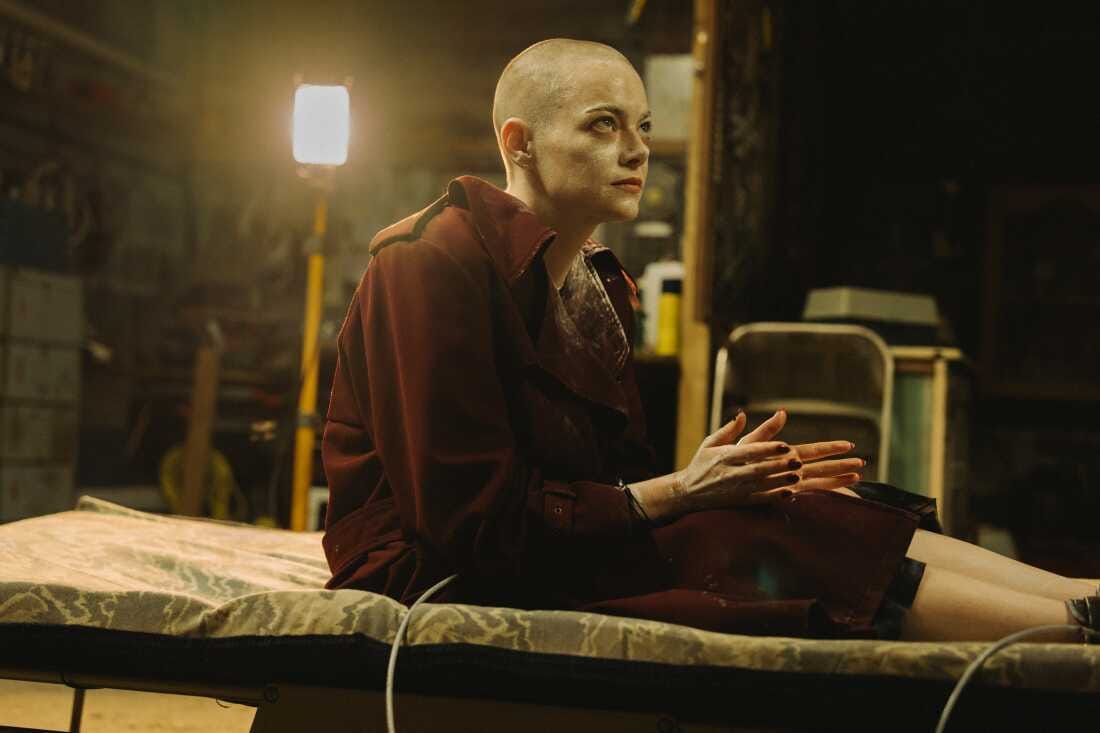
Performance of the Year: Emma Stone, Bugonia.
The list of Best Actress candidates this year is absurdly loaded. Keith mentioned Jessie Buckley in Hamnet, to whom I’d add Amanda Seyfried’s galvanic emotional and musical performance in The Testament of Ann Lee, Kathleen Chalfant’s subtle turn as an elderly woman grappling with dementia in Familiar Touch, Rose Byrne’s mega-stressed mother in If I Had Legs I’d Kick You, and Susan Chardy as a young Zambian woman confronting her past in On Becoming a Guinea Fowl. But let’s not take Emma Stone’s greatness for granted. Her collaboration with Yorgos Lanthimos has been consistently fruitful, but Stone takes it to another emotional and comic register in Bugonia as a high-powered CEO who may or may not be an alien intent on conquering the Earth. So much of the film’s juice comes from her character’s struggle with the dangerous obsessive (Jesse Plemons) who’s kidnapped her, and Stone’s ability to express power from a compromised situation is particularly riveting

Scene of the Year: Puerto Rican Day Parade, Highest 2 Lowest.
Though Keith stole my thunder yesterday by choosing the multi-era musical medley sequence in Sinners and I stole my own thunder late last year by choosing the “You’ve just been Skeeted” scene in Predators, I’m happy to celebrate this stretch of Spike Lee’s remake of Akira Kurosawa’s High and Low, which excels whenever Lee takes to the streets. Though it’s a cheat to include the entire Puerto Rican Day sequence where a music executive (Denzel Washington) hands over ransom money for his chauffeur’s son, any piece of it, like salsa legend Eddie Palmieri performing with his band, is a reminder of Lee’s unparalleled talent for getting authentic New York flavor on film.
Reason for Hope: 2025 on film.
One of the frustrations I often feel with contemporary American filmmakers especially is that few have the instinct or the will to capture our historical moment like, say, Spike Lee did when he brought 9/11 into 25th Hour to such profoundly moving effect. Not so 2025. Whether it was deliberate, like the covid-era schisms of Ari Aster’s Eddington, or a case of impeccable timing, like One Battle After Another or The Secret Agent, we don’t have to wait another decade or half-century to see our current world reflected back at us. It’s reassuring to see filmmakers so politically engaged and, in the case of a documentary like Julia Loktev’s My Undesirable Friends, Part 1, it can feel as desperate as a message in a bottle.

Reason for Despair: Michael Phillips exiting the Chicago Tribune.
I’ve told this story many times before, but when I first arrived in Chicago for a full-time film critic job with The A.V. Club in 1999, I sat down at a screening of Eyes Wide Shut with Roger Ebert, Michael Wilmington, and Jonathan Rosenbaum all in attendance. Ebert and Wilmington have since passed, and Rosenbaum has retired from the Chicago Reader, but with our friend Michael Phillips accepting a buyout from the Tribune, there is not a single salaried critic in the third-largest city in America. Given Chicago’s prominence in the world of criticism— in ’99, you could argue that it was the center of that universe—it’s unthinkable that the job would simply not exist in today’s diminished media environment. There’s still a place for the type of special relationship that a good critic like Michael can have with readers locally and nationally, but not at any of the papers alas.
Special Effect: Ping pong, Marty Supreme.
Sports of any kind are hard to get right on screen, but the table tennis sequences in Marty Supreme posed a particular challenge because they have to combine incredible speed with legibility, and Forrest Gump may be the only existing road map for how to pull them off. Esther Zuckerman broke down the process closely for The New York Times and the choreography turns out to be an extraordinarily complex fusion of real technique and footwork along with the subtle assistance of VFX in takes played without the ball. It’s all seamlessly done and essential to sustaining the high-stakes tension of the matches.
Most Anticipated: The Adventures of Cliff Booth.
First off, a shoutout to myself for hotly anticipating a new Paul Thomas Anderson movie called The Battle of Baktan Cross last year. In that same spirit, let’s go with another safe auteur bet with The Adventures of Cliff Booth, a spinoff of Once Upon a Time…. In Hollywood that Quentin Tarantino wrote for David Fincher to direct. The big question is whether Tarantino and Fincher’s sensibilities will be aligned, but Brad Pitt’s return as the stuntman and all-around fixer promises another journey through Hollywood and the modest corner that Booth occupies.
Discussion