Worst to Best: The 2026 Oscar Shorts Nominees
A survey of this year's Oscar shorts contenders reflects a mood of global distress. And three bonus donkeys.


Back in 2023, I started ranking the Oscar-Nominated Shorts in the Documentary, Live Action, and Animated categories as both a guide to film lovers looking to add to their watchlist and a cheat sheet for the company office pool, where picking the winners can feel a little arbitrary. Alas, I’ve been less successful at the latter mission than I’d hoped, either because the Academy’s taste doesn’t align with mine or my assumptions about the Academy’s taste are just flat-out wrong. In the first two years of doing this, 2023 and 2024, I only guessed two of the six winners correctly, which isn’t a terrible batting average (.333), considering that you’d bat .200 picking titles at random. And last year, I redeemed myself by nailing two of three categories, correctly predicting that “The Only Girl in the Orchestra” would win out over my favorite, Bill Morrison’s politically and aesthetically radical “Incident,” and the Iranian short “In the Shadow of Cypress” would take down live-action. Please consult the bottom of the list for this year’s prospective winners.
As usual, I’ve chosen to rank these films within their individual categories rather than attempt the apples-to-oranges folly of ranking all 15 in a single bunch. But I have ordered them based on the relative strength of each category, so congratulations for the Live Action Shorts for ever-so-slightly beating out the Animated and Documentary Shorts. (The margin is so close that it doesn’t matter, but it’s worth noting that the Docs are usually far and away the strongest category and that’s not the case this year.) If you’re interested in seeing these shorts in theaters—which is a rare opportunity in our feature-driven marketplace—they’re rolling out in arthouses across the country on Friday.
Best Live Action Short Film
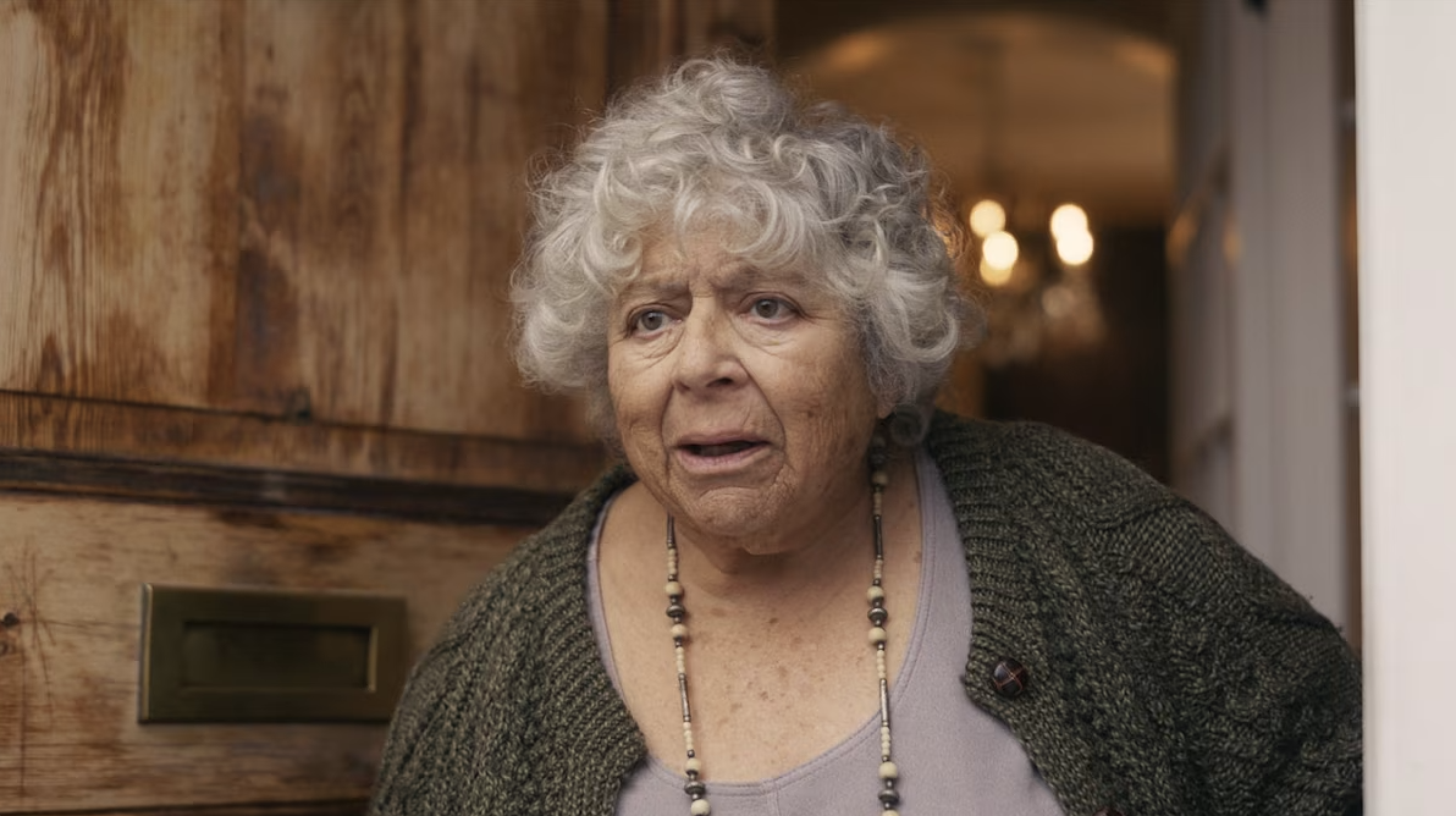
5. “A Friend of Dorothy” (dir. Lee Knight, 21 min.)
An earnest, “in this house” yard sign of generalized tolerance, this slick British short owes much of its appeal to the legendary Miriam Margoyles as an 87-year-old widow who strikes up an unlikely friendship with the young, gay Black teenager (Alistair Nwachukwu) who turns up on her front stoop, looking for the errant soccer ball he kicked into her garden. There’s a framing story that puts the teenager and the widow’s obnoxious grandson (Oscar Lloyd) in front of the executor (Stephen Fry) of her will, suggesting a scenario in which her inheritance bypasses her ungrateful family and goes to this relative stranger instead. But it’s an unnecessary distraction from a sweet (if often sickly sweet) story about two people who bond over their love of the theater, particularly queer plays like The Inheritance and Bent.
The Reveal is a reader-supported newsletter dedicated to bringing you great essays, reviews and conversation about movies. If you are not paid subscriber, we would love for you to click this button below and join our community.
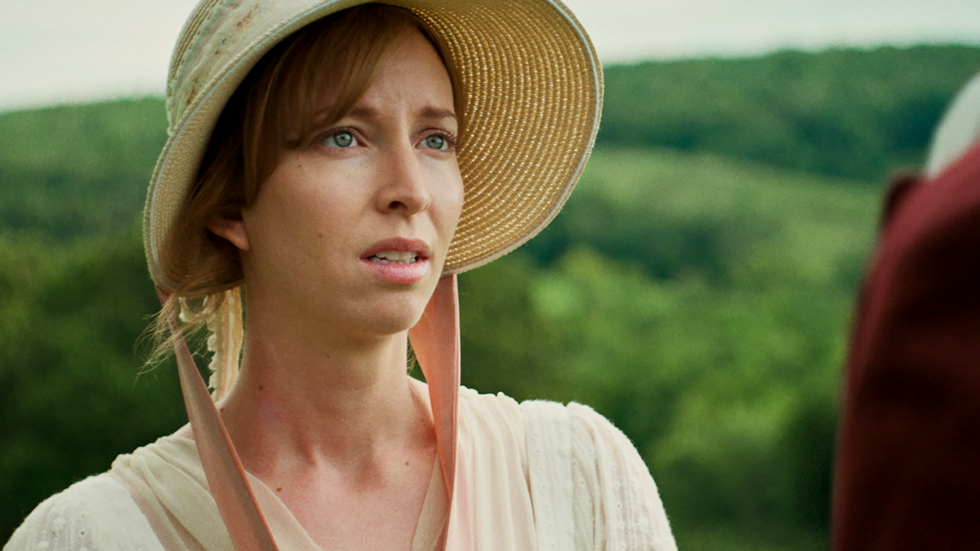
4. “Jane Austen’s Period Drama” (dir. Steve Pinder and Julia Aks, 12 min.)
You could look at “Jane Austen’s Period Drama” as the shortest short on the list, which is technically correct, or as the longest Saturday Night Live sketch, which is technically incorrect but more descriptive. Yes, the “period drama” here involves a crisis over menstruation, which disrupts a blissful afternoon in an Austen-like setting where Mr. Dickley (Ta’imua) is frolicking about with his fiancée Estrogenia Talbot (Aks). Mr. Dickley assumes the blood on Estrogenia’s dress is a wound in need of a tourniquet and there’s a lot of drama among her sister (Labinia and Vagianna) about how much information they should give to this naive chap. Pinder and Aks stretch this one-joke premise as far as it will go—the more period detail, as it were, the funnier the film gets—but it’s a slight piece of work.
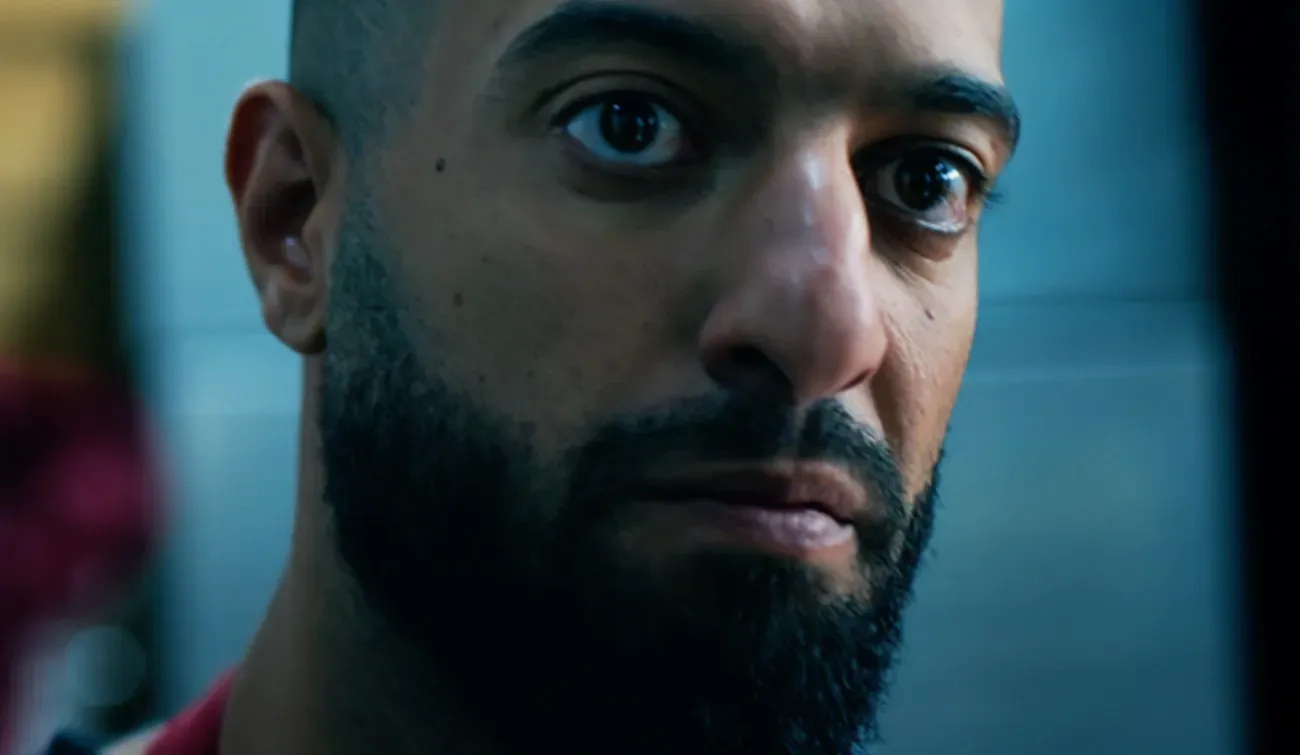
3. “Butcher’s Stain” (dir. Meyer Levinson-Blount, 26 min.)
One micro-theme in this year’s shorts are Israeli films that firmly, if diplomatically, sympathize with the plight of Palestinians in the face of racial animus and genocidal violence. (See also: “Children No More: ‘Were and are Gone’”) A deep, righteous shame permeates “Butcher’s Stain,” which aligns itself with Samir (Omar Sameer), a Palestinian butcher at an Israeli supermarket who’s accused of tearing down the hostage posters in the break room. He didn’t do it, of course, and he fights hard to keep his job, tracking down the co-worker who ratted him out to management. But the subtle power of “Butcher’s Stain” comes from the fact that the truth might not matter in the end, because ingrained suspicions and prejudices are too much to overcome.
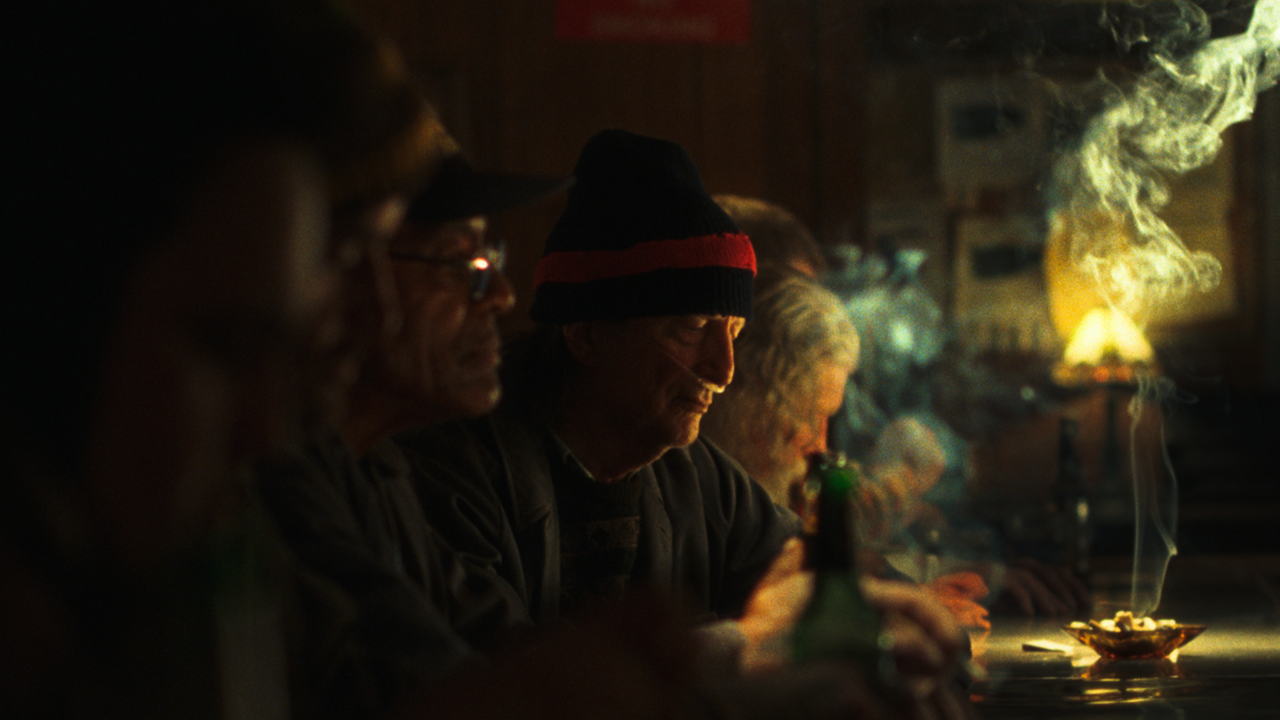
2. “The Singers” (dir. Sam A. Davis, 18 min.)
Proportionality is an essential virtue of the best shorts, because so many failed shorts feel more like abridgments of ideas conceived for a longer feature. With “The Singers,” a conceit inspired by an Ivan Turgenev story, Davis limits the action to a seedy pub where various roughnecks and barflies challenge each other to an improvised sing-off. Though hampered a bit by sentimentality, the film brings tremendous warmth and texture to the setting—Davis shot the film himself in 35mm, and it’s by far the best-looking nominee—and the mostly a cappella numbers, occasionally supported by piano, were recorded in the space itself, which makes a difference. An old man with an oxygen tube belts out “House of the Rising Sun.” The bartender offers a solo take on The Righteous Brothers. There’s even a little opera here. Hard to resist.
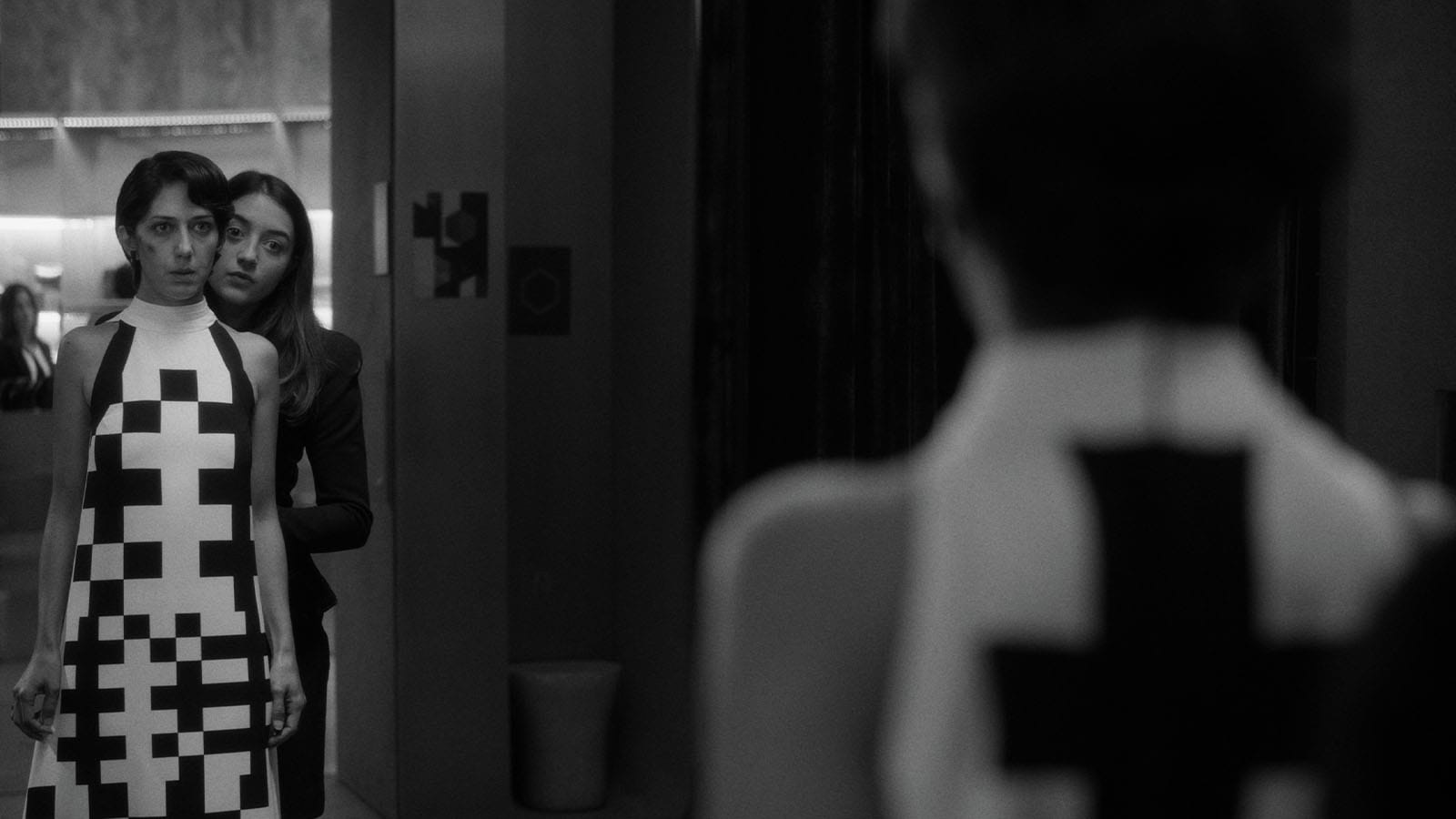
1. “Two People Exchanging Saliva” (dir. Natalie Musteata and Alexandre Singh, 36 min.)
In a future where kissing is punishable by death, the security at a high-end department store monitors the breath of its employees, who chew on garlic gum to make sure it’s up to repellent standards. But wait, it gets weirder: Currency in this world are firm slaps to the face, which accounts to the bruises on a woman’s cheek when she ponies up 31 slaps for a luxury gown. Yet a Carol-like relationship develops nonetheless between Malaise (Luána Barjami), a pretty 24-year-old sales clerk, and Angine (Zar Amir Ebrahimi), an older customer whose loneliness is as plain as her yearning for affection. Though the narration by Vicky Krieps helps to sketch out this dystopian world, “Two People Exchanging Saliva” uses this peculiar (and darkly funny) scenario to heighten the emotional stakes. Love transcends bad breath and likely death.
Best Animated Short Film
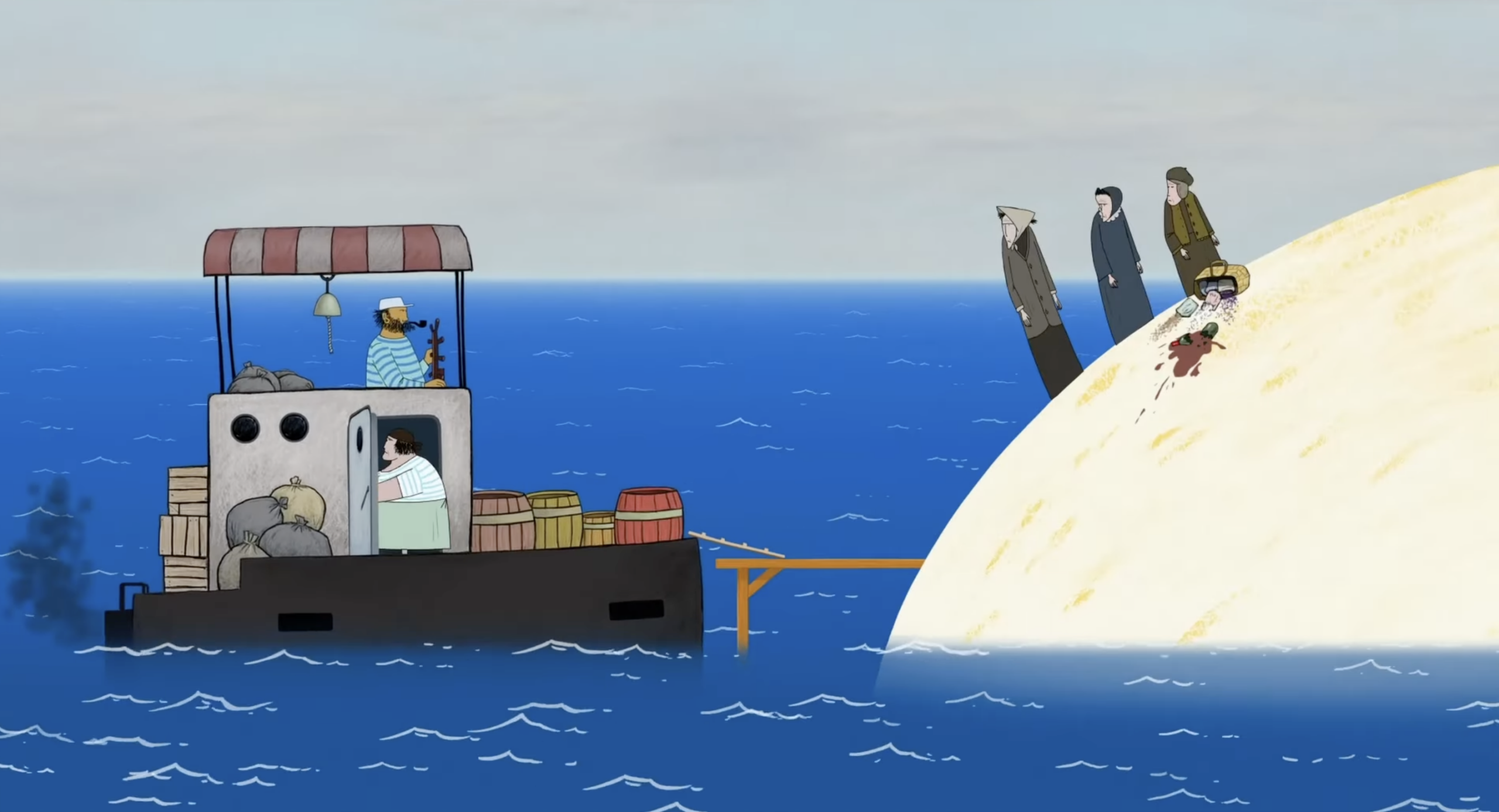
5. “The Three Sisters” (dir. Konstantin Bronzit, 14 min.)
Fitting for its title, “The Three Sisters” is a true triple threat: Crudely animated, crudely written, crudely performed. Perhaps the nominating committee found some minimalist charm in the wordless story of three women on a tiny desert island who seek a new tenant after accidentally dropping their supply money in the ocean, but that charm was lost on me. Most of the film involves the comic business of the women competing romantically over their new tenant, a burly sailor whose filthiness doesn’t deter their efforts to vie for his affection. The only mild chuckle here comes from the island’s pesky seagulls, who descend mercilessly on every scrap of food that lands on the beach.
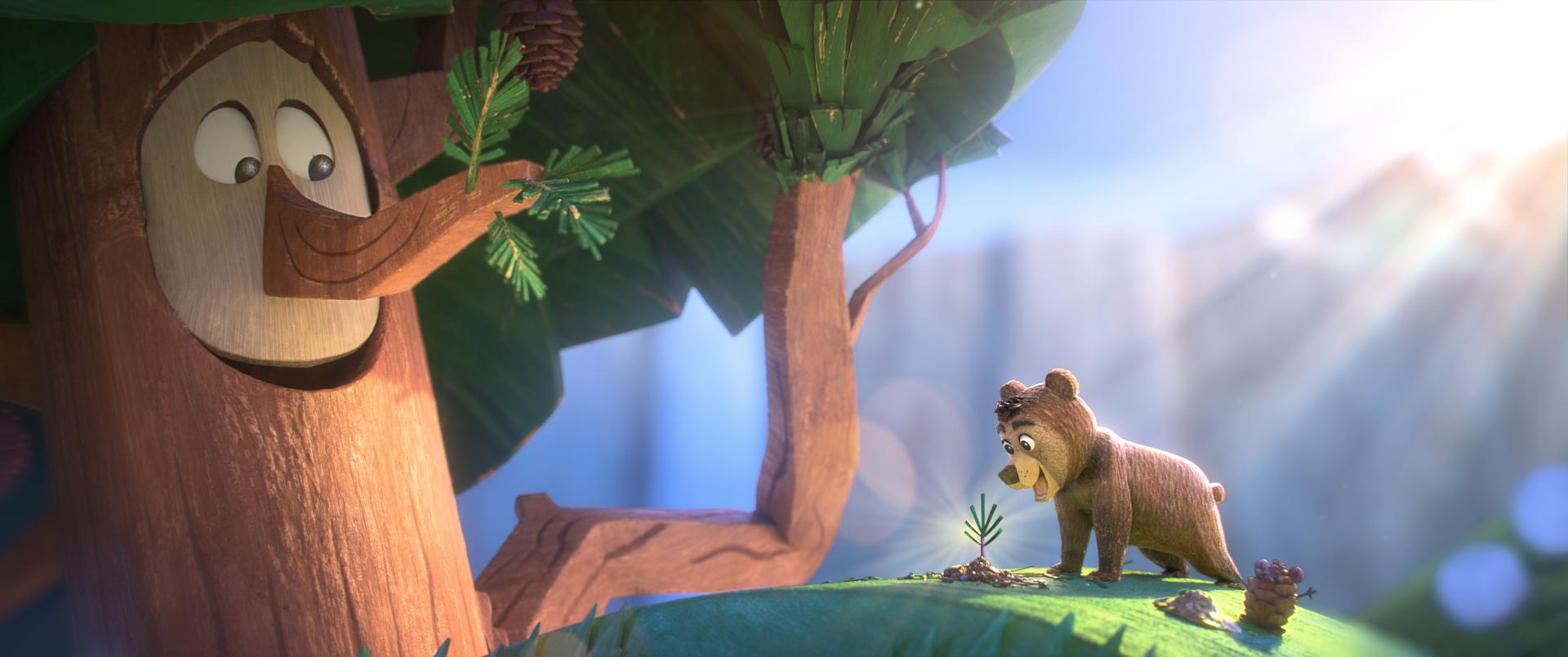
4. “Forevergreen” (dir. Nathan Engelhardt and Jeremy Spears, 13 min.)
The production values look extravagant in this independent CG animated short, directed by two Disney artists, but “Forevergreen” plays like a sappy variation on Shel Silverstein’s classic parable “The Giving Tree,” focusing on a sentient forest tree that lends all of itself to care for a needy bear cub. At first, the cub plays innocently around the nurturing tree, but once it grows older and gets a taste for potato chips, the animal casts out on a reckless mission that puts them both in danger. There’s a positive message here for kids about sacrifice, redemption and the enduring power of friendship, but the pop-up storybook quality of the animation doesn’t forgive the sentimentality or the feeling that we’ve seen this sort of thing too many times before.
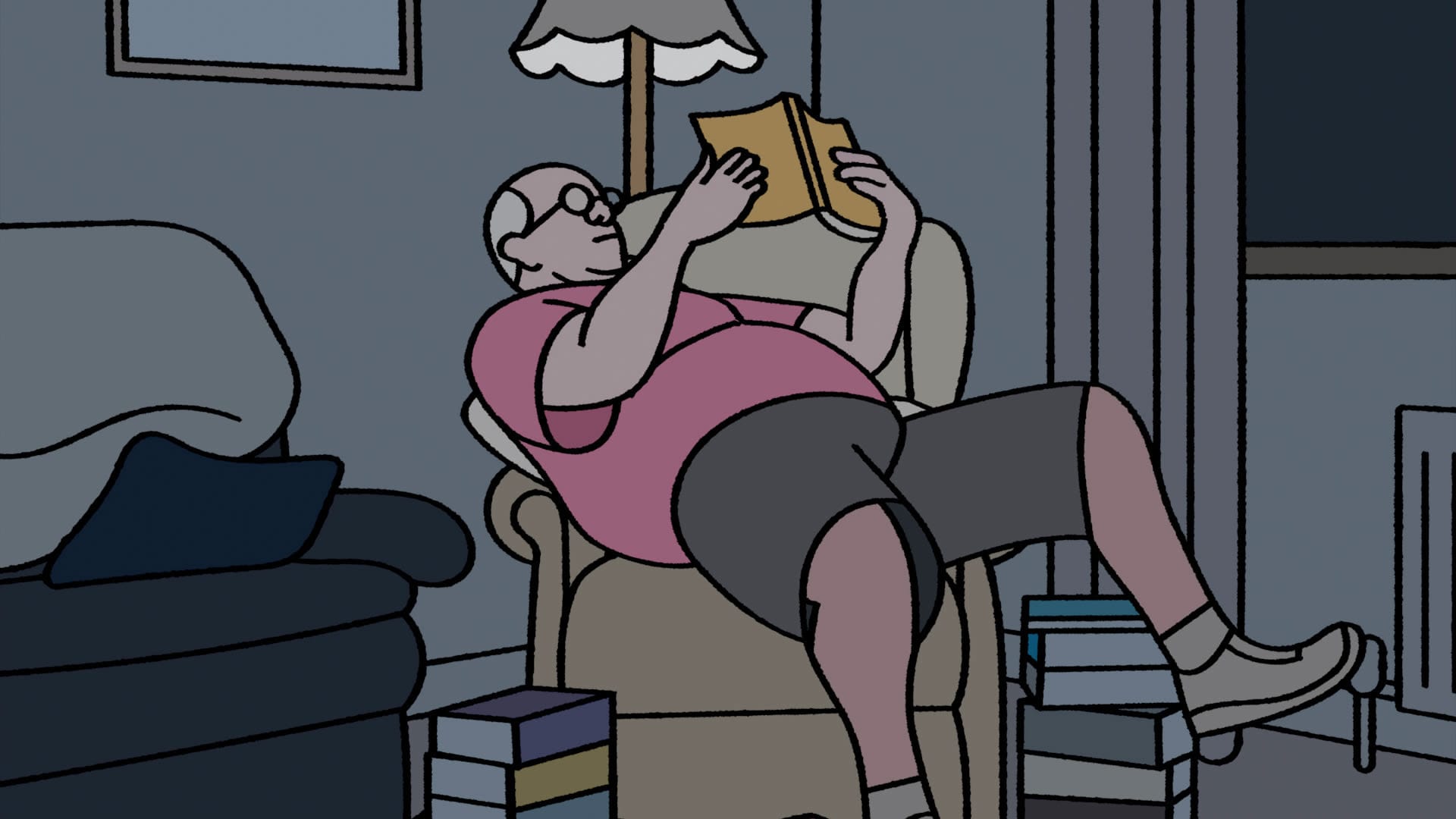
3. “Retirement Plan” (dir. John Kelly, 7 min.)
Domhnall Gleeson narrates this delightful wisp of a short from Ireland, which is half as long and twice as witty as “Jane Austen’s Period Drama,” and more open to subtle visual flourishes. “When I retire, I will reply to every email I ever flagged,” begins Gleeson’s constant voiceover, which itemizes the specific wishes of an ordinary man looking forward to all the changes he’ll make in his life when he clocks out of the working world. His list starts out with many amusingly identifiable ambitions, like reading the 35 years’ worth of articles he’d saved or stepping out for a little fresh air. (“Will hike. Will see the point of hiking.”) But there’s a pleasing arc to these resolutions, too, leading to musings about death and the afterlife that aren’t so serious that they skip the punchlines.
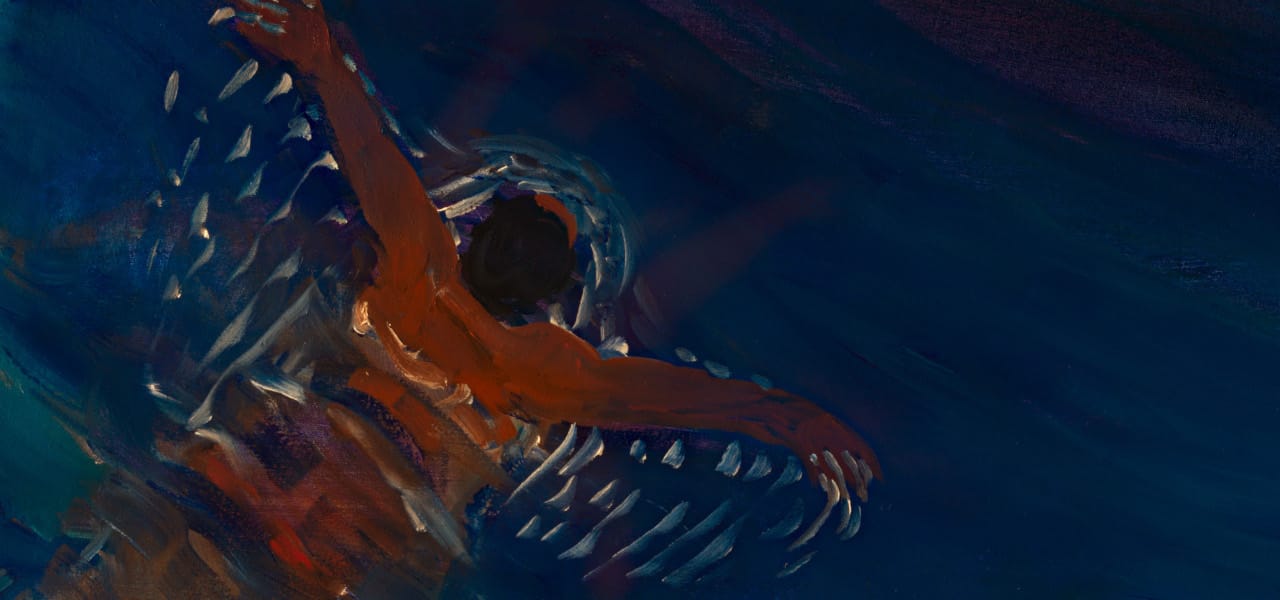
2. “Butterfly” (dir. Florence Miailhe, 15 min.)
Full of painterly images of a life lived in the water—and by “painterly,” I mean the literal brushstrokes that are carved into the animation—Miailhe’s lovely short pays homage to Alfred Nakache, the legendary French-Algerian swimmer who survived the Holocaust and competed in the Olympics after World War II. Miailhe covers the entire scope of Nakache’s life as he faced relentless antisemitism and the loss of his family in the Nazi death camps, but “Butterfly” doesn’t sink into despair and, more crucially, it doesn’t function merely as an illustrated biography. True to Nakache’s passion—and suggestive of the insulation of disappearing under water—there’s a poetic flow to “Butterfly” that carries the film along and attempts to capture the essential virtue of his solitude.
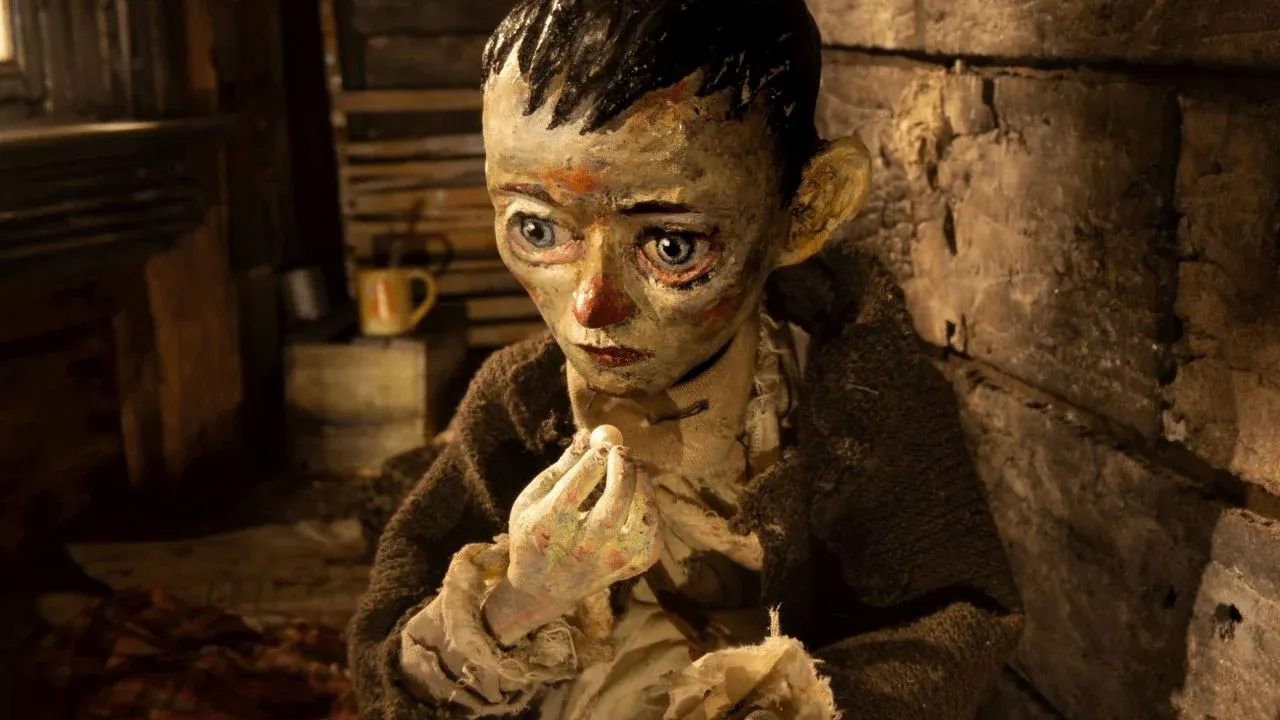
1. “The Girl Who Cried Pearls” (dir. Chris Lavis and Maciek Szczerbowski)
In an ideal union of form and content, the tactile beauty of stop-motion animation perfectly complements the physical shapes and angular spaces of this French-Canadian gem about greed, temptation and love in the face of extreme poverty and abuse. Set in early 20th century Montreal, “The Girl Who Cried Pearls” is a memory piece about a desperately poor little boy who squats in an empty space adjacent to a girl whose sad domestic life causes her to cry perfectly round pearls every night. The boy starts to trade those pearls for cash from a miserly local pawnbroker, but his sympathy for the girl’s plight leads him to question whether his pursuit of riches. But the premise isn’t as straightforward as it sounds, and Lavis and Szczerbowski add a note of irony that cuts through the saccharine.
Best Documentary Short Film

5. “All the Empty Rooms” (dir. Joshua Seftel, 33 min.)
The description of this documentary alone sets you up for emotional devastation: Over a seven-year period, broadcast journalist Steve Hartman and his cameraman, Lou Bopp, photographed the empty bedrooms of children killed in school shootings. Given the numbing scope of this epidemic in America, the idea was to remember the vibrant personalities of the victims, which a child’s bedroom can reflect to a remarkable degree. Yet “All the Empty Rooms” is not the project itself but a kind of making-of doc that follows Hartman and Bopp as they collect the last three stories. It’s moving to learn about all these children, but there’s a disappointing artlessness and narcissism to this documentary, which shifts focus too much to Hartman’s virtue in pursuing this story outside his lighter-side-of-the-news beat.
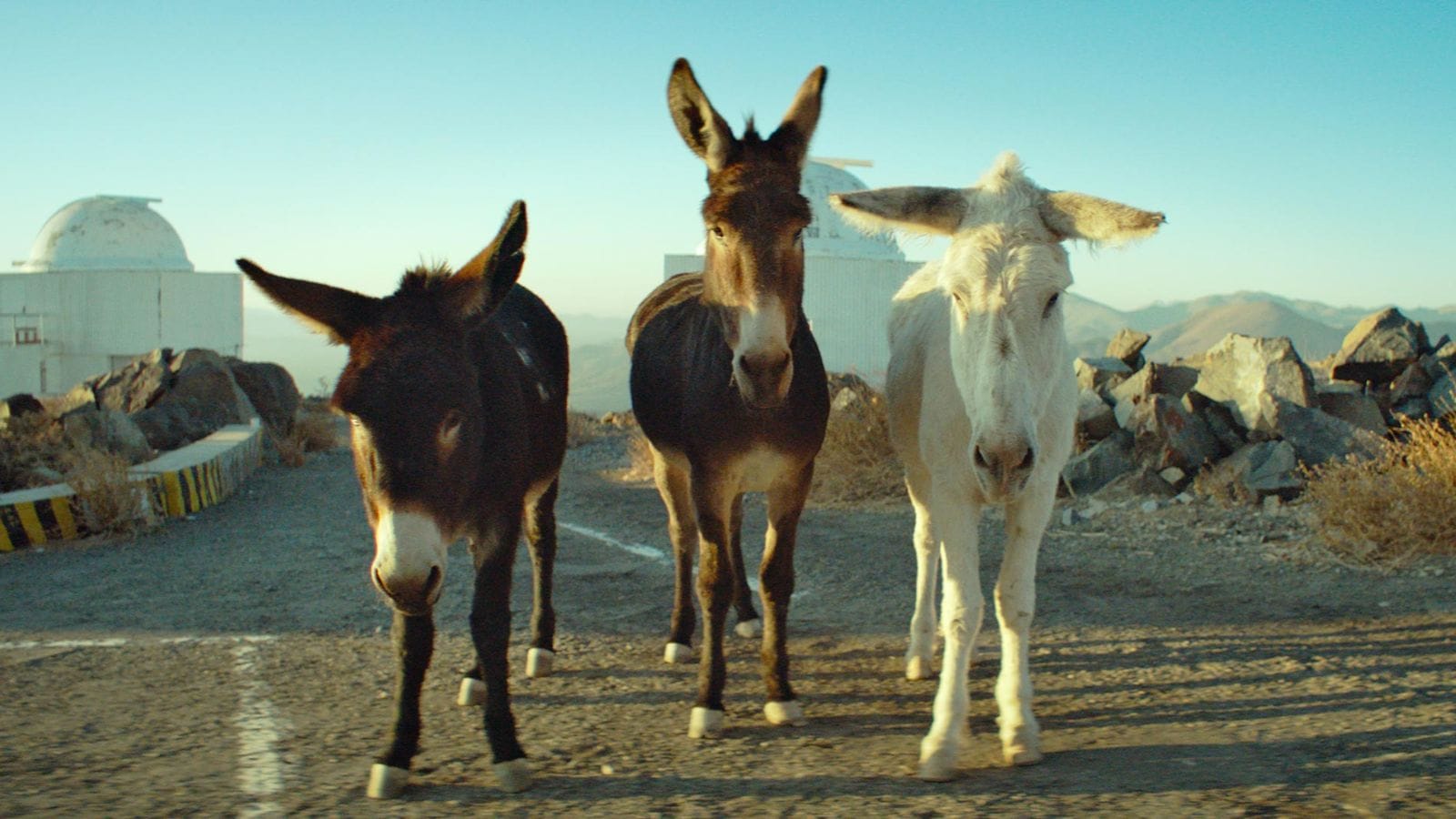
4. “Perfectly a Strangeness” (dir. Alison McAlpine, 15 min.)
Credit McAlpine’s eccentric nominee for being the only documentary short that’s not issue-oriented, but an attempt at a more artful hybridization of the form, evoking a feeling rather than stoking the conscience. Over the course of a quiet, mesmeric 15 minutes, three donkeys in an arid landscape mosey over to an abandoned astronomical observatory and, well, that’s about it. Day turns to night and the stars come out. A fox shows up in the parking lot and looks at the camera. There are some arresting images here, which is essential for a short like “Perfectly a Strangeness” to work, but the odd interaction between these donkeys and this eerie, unnatural, ethereal structure doesn’t yield much in the way of insight. The donkeys seem unmoved. And so was I.
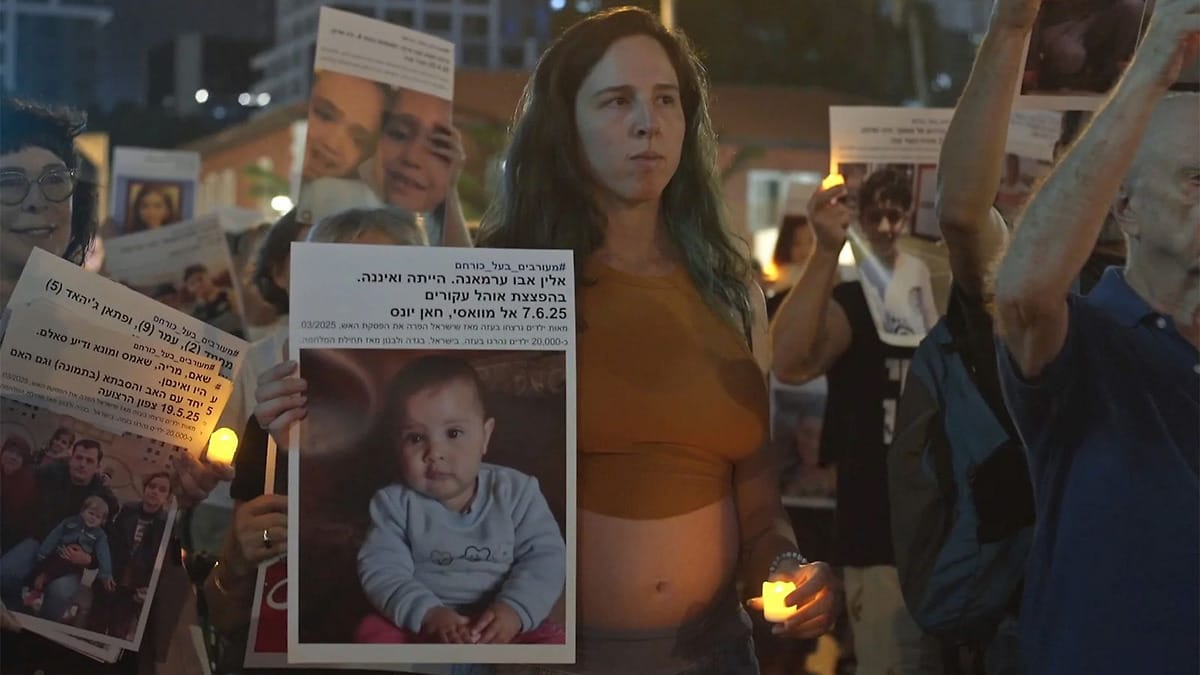
3. “Children No More: ‘Were and are Gone’” (dir. Hilla Medalia, 36 min.)
Protesting the recent war in Gaza from Tel Aviv is a dicey proposition, to put it mildly, especially given the passion around the Israeli hostages still held by Hamas after the surprise attack on October 7th, 2023. So the activists profiled in “Children No More: Were and are Gone” are extremely disciplined in their messaging, focusing exclusively on the Palestinian children killed during the war and staging silent vigils that allow those losses to sink in without more provocative sloganeering. They face a backlash nevertheless, but Medalia’s intimate documentary suggests the effectiveness of the strategy while admiring the group’s dedication to learning as much as possible about the victim’s stories. That depth of humanity is as strong a bulwark against hatred as possible.

2. “Armed Only with a Camera: The Life and Death of Brent Renaud” (dir. Craig and Brent Renaud, 38 min.)
The Renaud brothers were freelance journalists from Arkansas who regularly brought their cameras to the most dangerous places in the world until Brent Renaud was shot to death by Russian soldiers in Ukraine in 2022. “Armed Only with a Camera” expresses outrage over what seems like the deliberate murder of a credentialed journalist, but it opens up into a much larger tribute to Brent and Craig’s intrepid mission to align themselves with the most vulnerable, voiceless people on the planet. These include an orphaned 16-year-old migrant from Honduras who’s trying to cross into the United States and Haitians struggling to survive after the 2010 earthquake made a bad situation much worse. Most affecting here are testimonials at Brent’s funeral from people he befriended in war zones, each telling stories his footage supports.
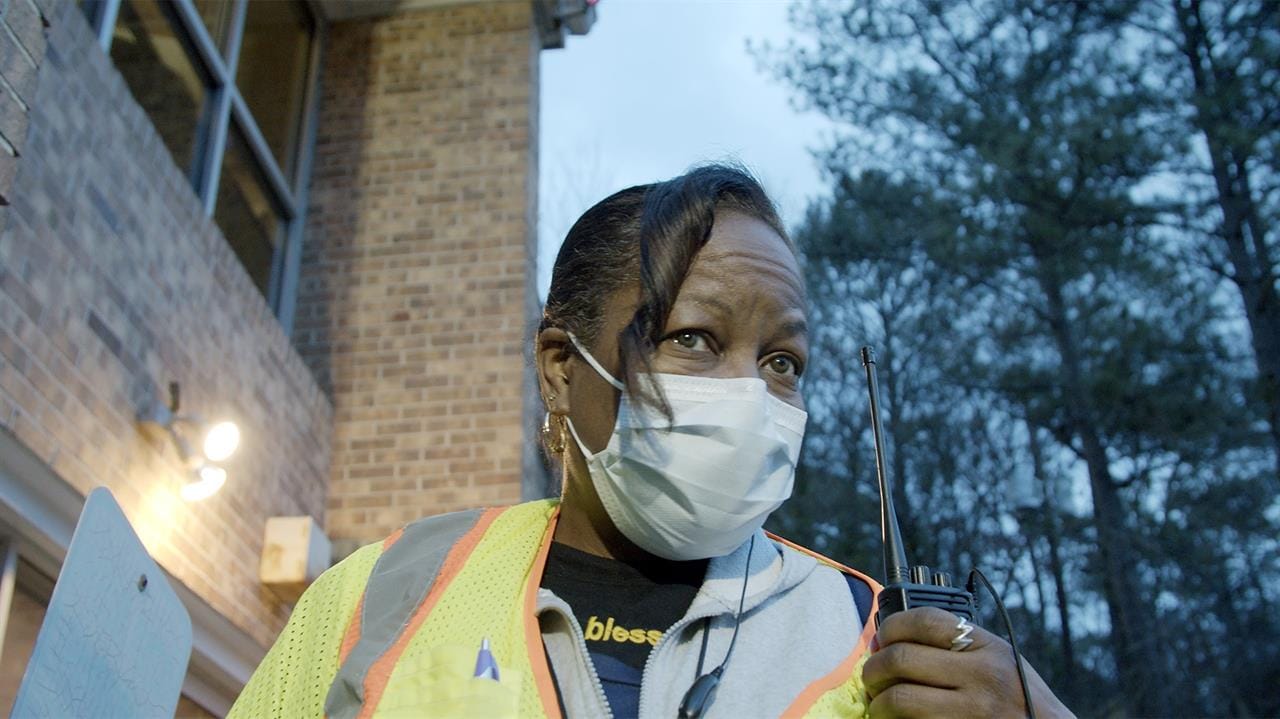
1. “The Devil is Busy” (dir. Christalyn Hampton and Geeta Gandbhir, 31 min.)
Remember that thought about the virtue of proportionality? That’s what separates “The Devil is Busy” from the other issue docs in this category, because Hampton and Gandbhir seek only to give a vivid, moving day-in-the-life impression of an Atlanta abortion clinic. Focusing on Tracii Evans, the sensitive yet vigilant security guard, the film walks through the process of maintaining a safe environment for patients who naturally feel threatened by a phalanx of hostile protestors with megaphones and post-Roe restrictions that limit abortion access to six weeks after pregnancy. Though they survey other essential personnel at the clinic, Hampton and Gandbhir stay close to Evans as she eyes suspicious vehicles, arranges for escorts and probes every corner of the office for intruders at both ends of her shift. She’s holding the wall, even as you feel like it’s starting to crumble around her.
Oscar Predictions
Live Action: An extremely tough call. “Jane Austen’s Period Drama” would be the only shock winner of the bunch. The other four have a chance, even a curious little sci-fi film like “Two People Exchanging Saliva,” given the precedent of “I Am Not a Robot,” another curious little sci-fi film, winning last year. The cynic in me suspects that “A Friend of Dorothy” will win voters over, but “The Singers” is a feel-good short with more artistry, so let’s roll with that one.
Animated: “The Three Sisters” and “Retirement Plan” are too slight—and the former too crummy—to win anything, and “Forevergreen” is a threat, because the production values are so high. But to me, “Butterfly” and “The Girl Who Cried Pearls” are the frontrunners; both are distinctively textured and substantive shorts with a handcrafted feel to them. I’ll give “Butterfly” the slight edge.
Documentary: If you’re the type of person to make shorts predications based on plot synopses, you’d probably guess “All the Empty Rooms” might tug hard enough on the heartstrings to win and I wouldn’t count it out. But Geeta Gandbhir, the co-director of “The Devil is Busy,” my favorite of the doc shorts, has a chance to make Oscar history by taking down both documentary categories on the same night. I’d call Gandbhir’s The Perfect Neighbor a heavy favorite among the features, and she has a good chance to double up here.

Discussion