Worst to Best: The Films of Christopher Nolan
After 13 tries, director Christopher Nolan has never made a bad film. We can bicker about the order, though.

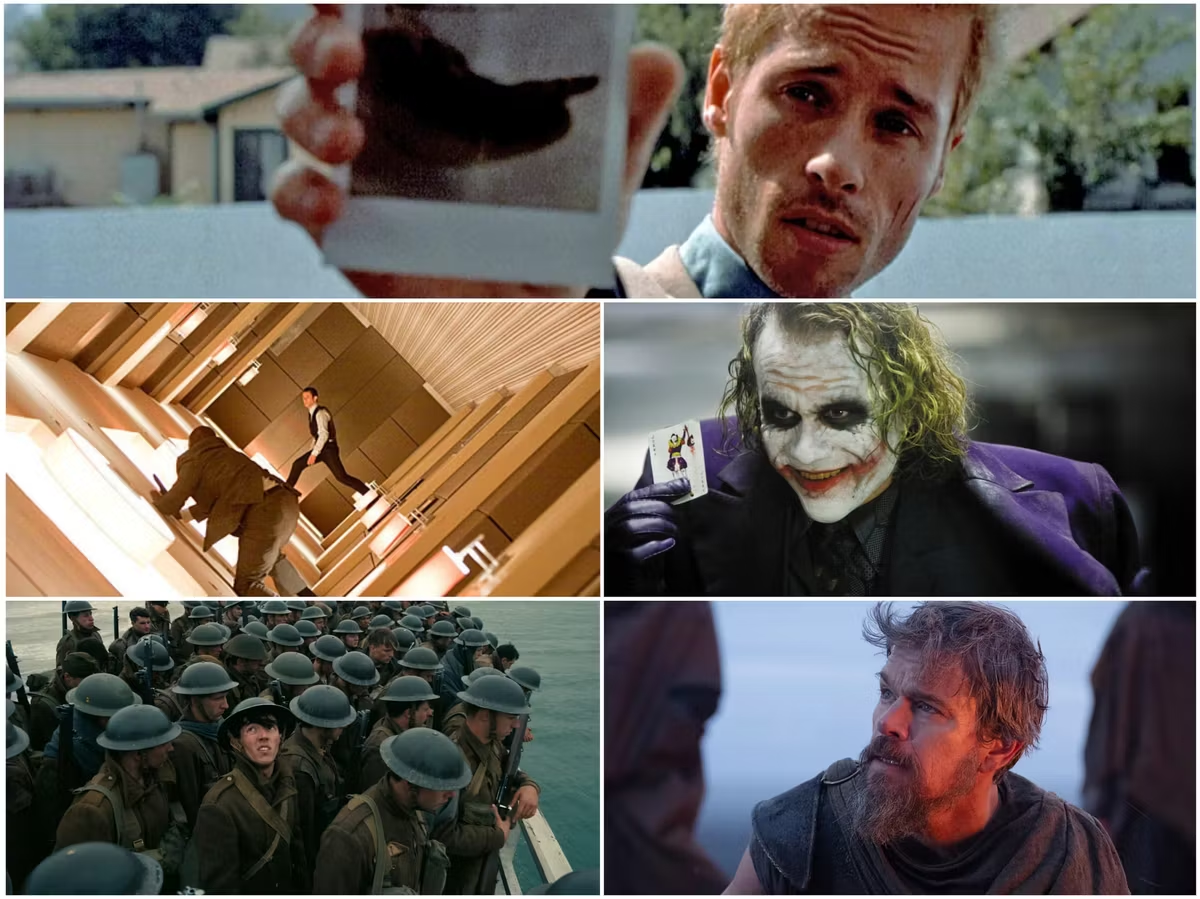
In 1998, director Christopher Nolan began his career with a $6,000 crime thriller he shot in bits and pieces in 16mm over a series of weekends and now, less than three decades later, he’s shot a three-hour epic on IMAX cameras for $250 million. Beyond the rags-to-riches leap in budget and ambition, the truly miraculous part of Nolan’s journey from Following to The Odyssey is that they’re recognizably films but the same artist, each playing meaningfully with time and structure while testing the elasticity of genre storytelling. Though his progression as a filmmaker hasn’t followed a clean arc—this list is, like many Nolan films, achronological—he has continued to develop as a Hollywood auteur who’s been able to satisfy his growing ambition while squaring his interests with those of the larger viewing public. In that, he is virtually peerless. He’s never made a bad film, either, which made the list below harder to create than directors with more obvious highs and lows:
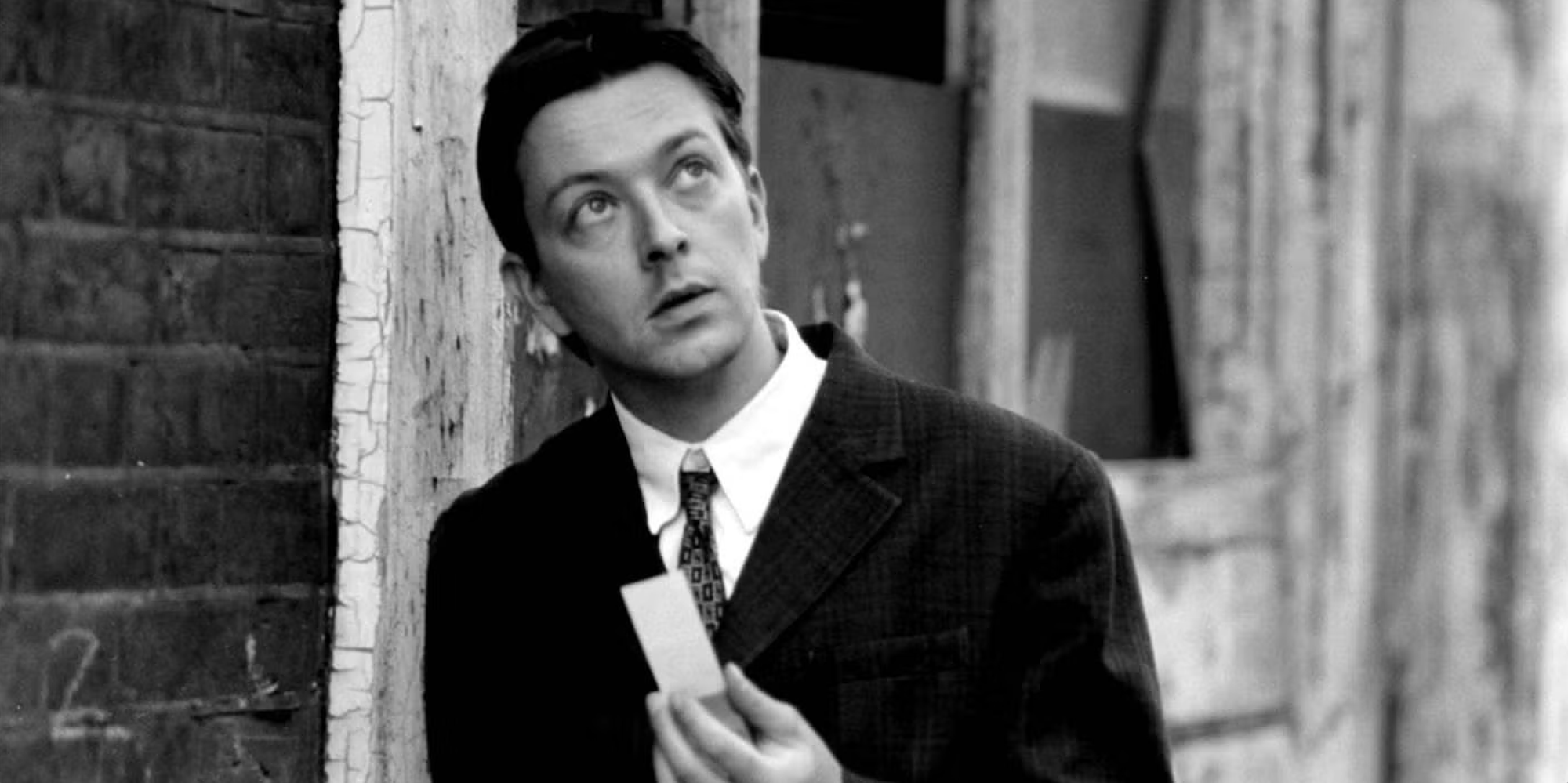
13. Following (1998)
Every journey begins with a single step, and it’s remarkable how Nolan’s current command over some of the most expensive, ambitious projects in Hollywood started with an exceedingly modest 16mm crime thriller that he and his friends put together over a few months’ worth of Saturdays. (“It’s probably the cheapest feature ever made,” he told me when I interviewed him in 2002, and the $6,000 budget suggests he wasn't joking.) The limitations of the production are readily apparent in the thinness of the 70-minute running time and the variable performances, but its three overlapping timelines add complexity to the noir storytelling while hinting at the structural and temporal gamesmanship that would define Nolan’s later work. There’s also a precocious meta quality to the plot, which involves a young writer (Jeremy Theobald) who habitually stalks strangers around London to get grist for stories, only to have the tables turned when one such stranger, a thief (Alex Caw), picks up on what he’s doing and brings him into his peculiar breaking-and-entering jobs.
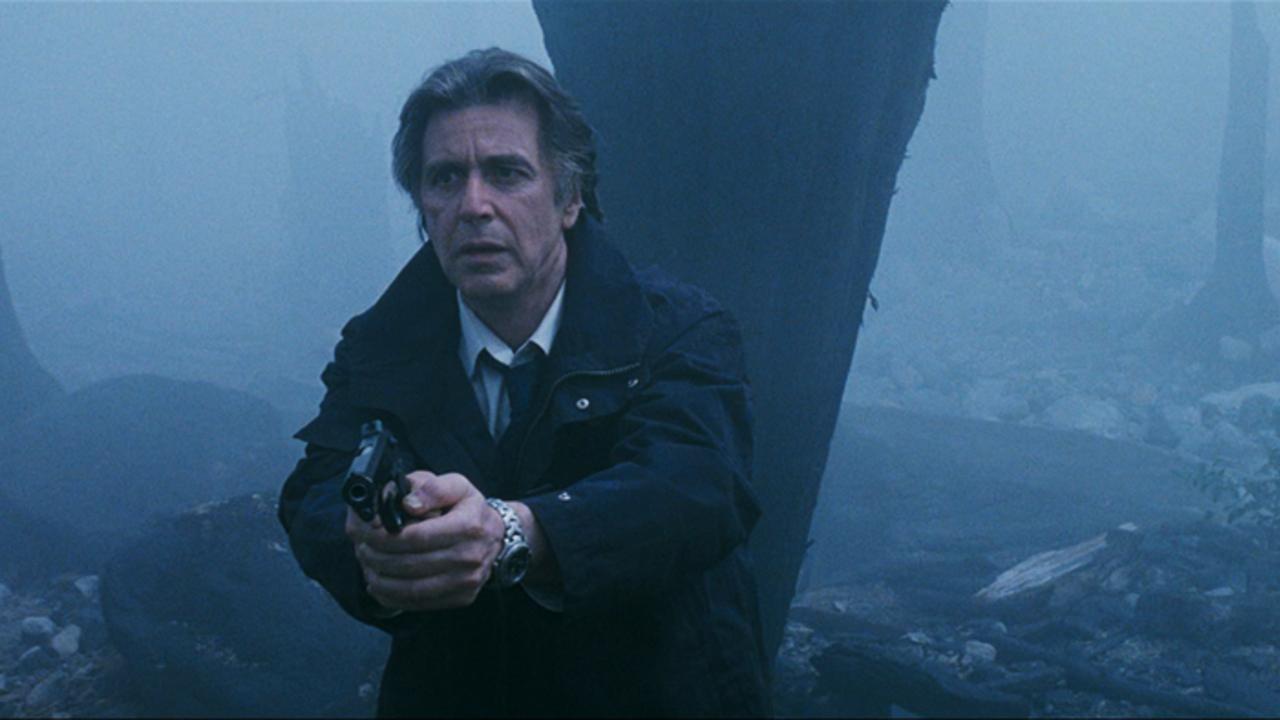
12. Insomnia (2002)
After Memento became an independent sensation, Nolan made a confident if risk-averse major-studio debut with Insomnia, a remake of a Norwegian thriller that had been rightly praised a “daylight noir” for an Arctic setting where the sun never fully goes down. Al Pacino is ideally cast as a detective-on-the-edge type who ventures from Los Angeles, where he’s the subject of an Internal Affairs investigation, to a seaside Alaskan town that’s reeling from the murder of a teenage girl. Nolan also gets a fine and less-expected performance out of Robin Williams as the prime suspect, who engages Pacino in a cat-and-mouse game where he is most definitely the cat. The strengths of Insomnia are considerable, tied to Nolan’s deft direction and the brilliant conceit of a locale where the hero’s guilty conscience is constantly exposed in the permanent sunlight. The problem is that nearly all of those strengths overlap with Erik Skjoldbjaerg’s original film, which Nolan has mostly just scaled up for a Hollywood audience.
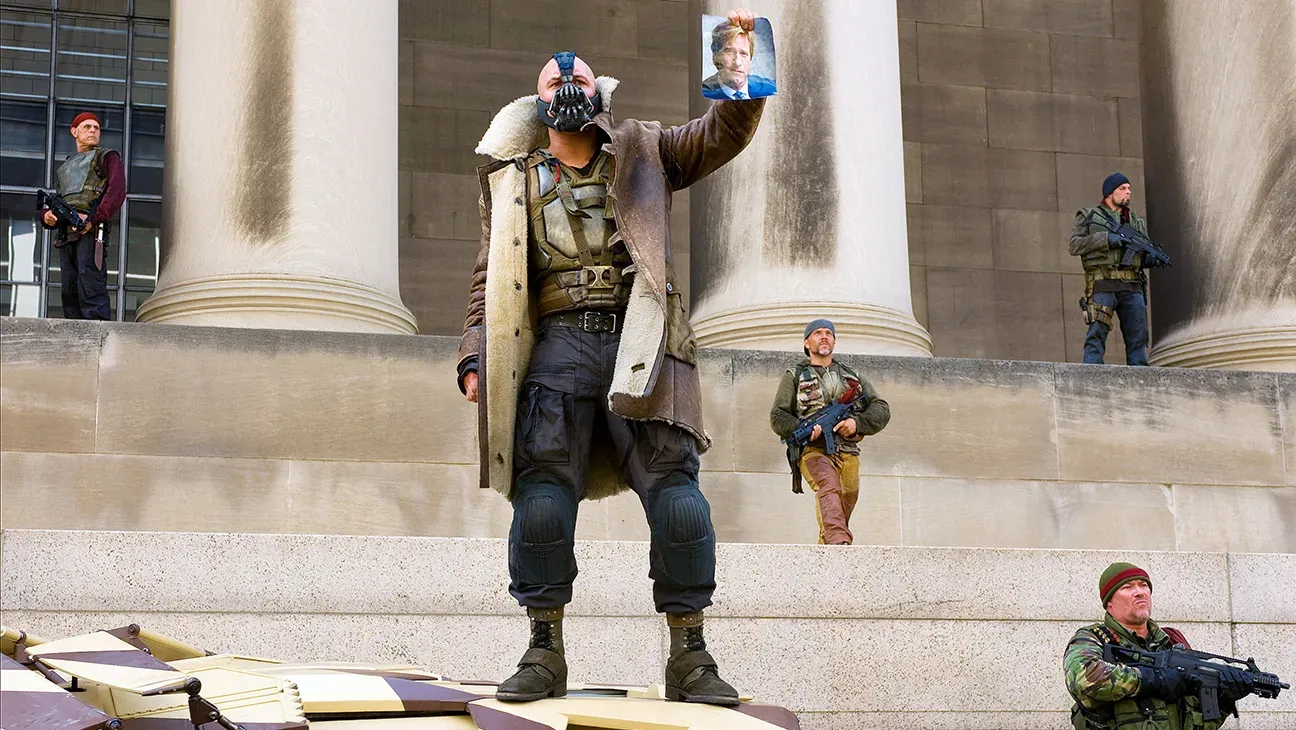
11. The Dark Knight Rises (2012)
There may have been no perfect landing possible for Nolan’s Batman trilogy, especially after The Dark Knight offered such an uniquely galvanizing mix of pulp and politics, but The Dark Knight Rises completes a trilogy that used a popular superhero to reflect the comprehensive anxiety and terror of post-9/11 America. With Batman (Christian Bale) having retreated to the Batcave and his alter-ego, Bruce Wayne, behaving like a reclusive Howard Hughes type, Gotham City has plunged into a chaos that Americans might find all-too-familiar, marked by mass corruption, an expanding surveillance state, and the fraying of basic civil norms and values. From this rotten soil grows a memorable supervillain in Tom Hardy’s Bane, whose hulking appearance and growling taunts make him seem like a pro-wrestling heel who stands ready to fill the power vacuum. (Bane and Immortan Joe from Mad Max: Fury Road a few years later are cartoon fascist strongmen who seem cut from the same cloth.) Though Anne Hathaway’s Selina Kyle/Catwoman tends to get the bulk of criticism directed at the film, she’s the linchpin of a conflict between Batman and Bane over the future of Gotham City and whether it’s worth having a real stake in it. That’s a question that Nolan leaves hanging, too, over the conclusion to a trilogy that acts as a political Rorschach test.

This post is for paying members only
Sign up now to read the post and get access to the full library of posts for subscribers only.
✦ Sign up