Worst to Best: The Films of Sam Raimi
A look back at 45 years of great genre filmmaking.

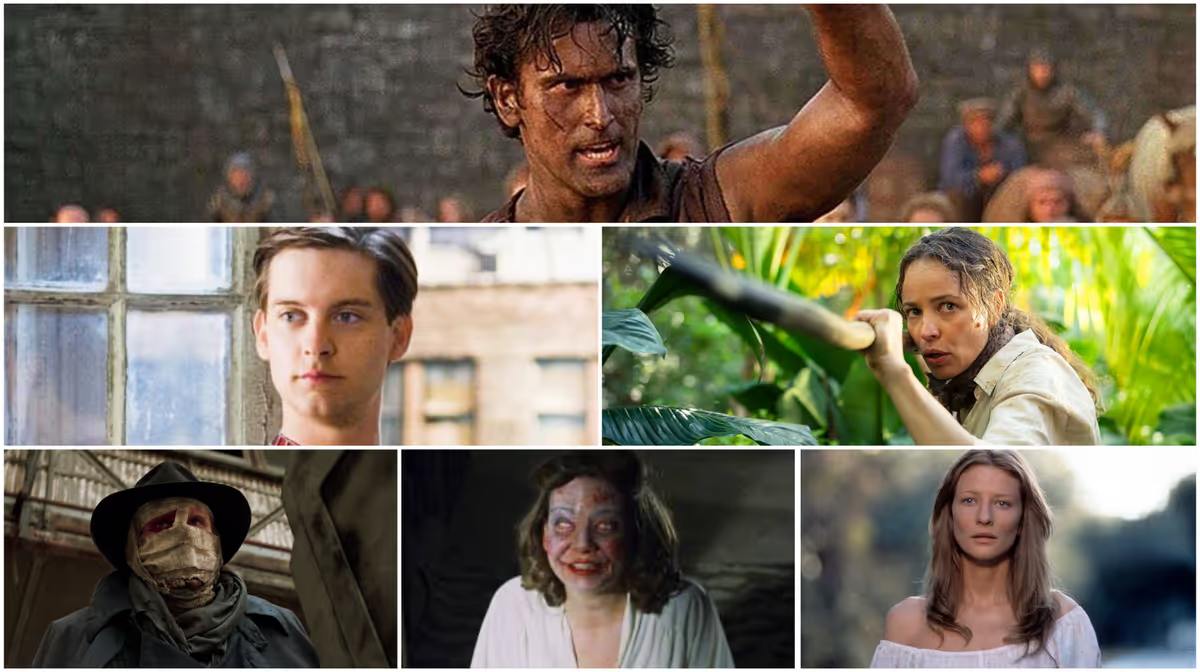
In a rare early-year treat, Sam Raimi’s Send Help arrives in theaters this week to save the multiplex from the dregs of early February. Its arrival also saves Raimi from a troubled stretch in Hollywood:the two other films he’s done in the past 13 years, Oz the Great and Powerful and Doctor Strange in the Multiverse of Madness, have been mangled by the franchise machinery. Yet Raimi has proven to be a resilient genre filmmaker throughout his career, one distinguished by his versatility as a director of independent and major-studio projects, along with a super-charged visual style and a knack for old-school physical comedy. The same sensibility behind the groundbreaking, low-budget horror staple The Evil Dead is fully on display 45 years later in Send Help, but it’s been a long and winding road to get there. The ranking below tries to account for his journey:
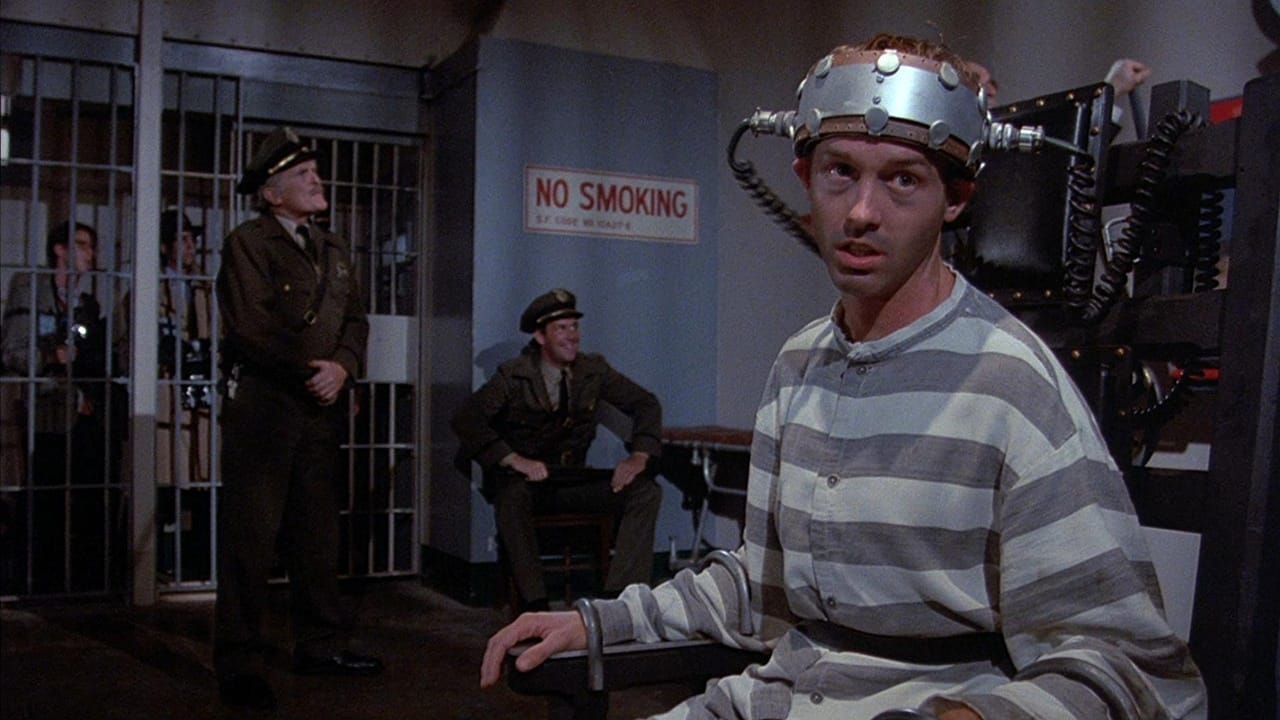
16. Crimewave (1985)
“A Sam Raimi-directed crime comedy, co-scripted by the Coen brothers? Why am I only hearing about this now?!” Perhaps that’s a question you’ve asked yourself and the answer will be obvious once you’ve seen Crimewave, a wounded and wildly incoherent indie that relates to Raimi and the Coens’ later work like a burbling mass of primordial goo relates to me and you and everyone we know. (Okay, there is the Hudsucker connection, but that’s it.) If you can get through the first paragraph of the Wikipedia entry’s plot summary, perhaps you’ll survive the film’s garbled machinations, which involve a low-level technician (Reed Birney) who’s framed for murder in the violent fallout between partners at a home security company. Raimi’s flair for manic comedy aligns well with the Coens’ more overtly wacky efforts, like Raising Arizona, but the production ran into trouble with a meddling Embassy Pictures almost immediately. They all moved forward and left this footnote behind.
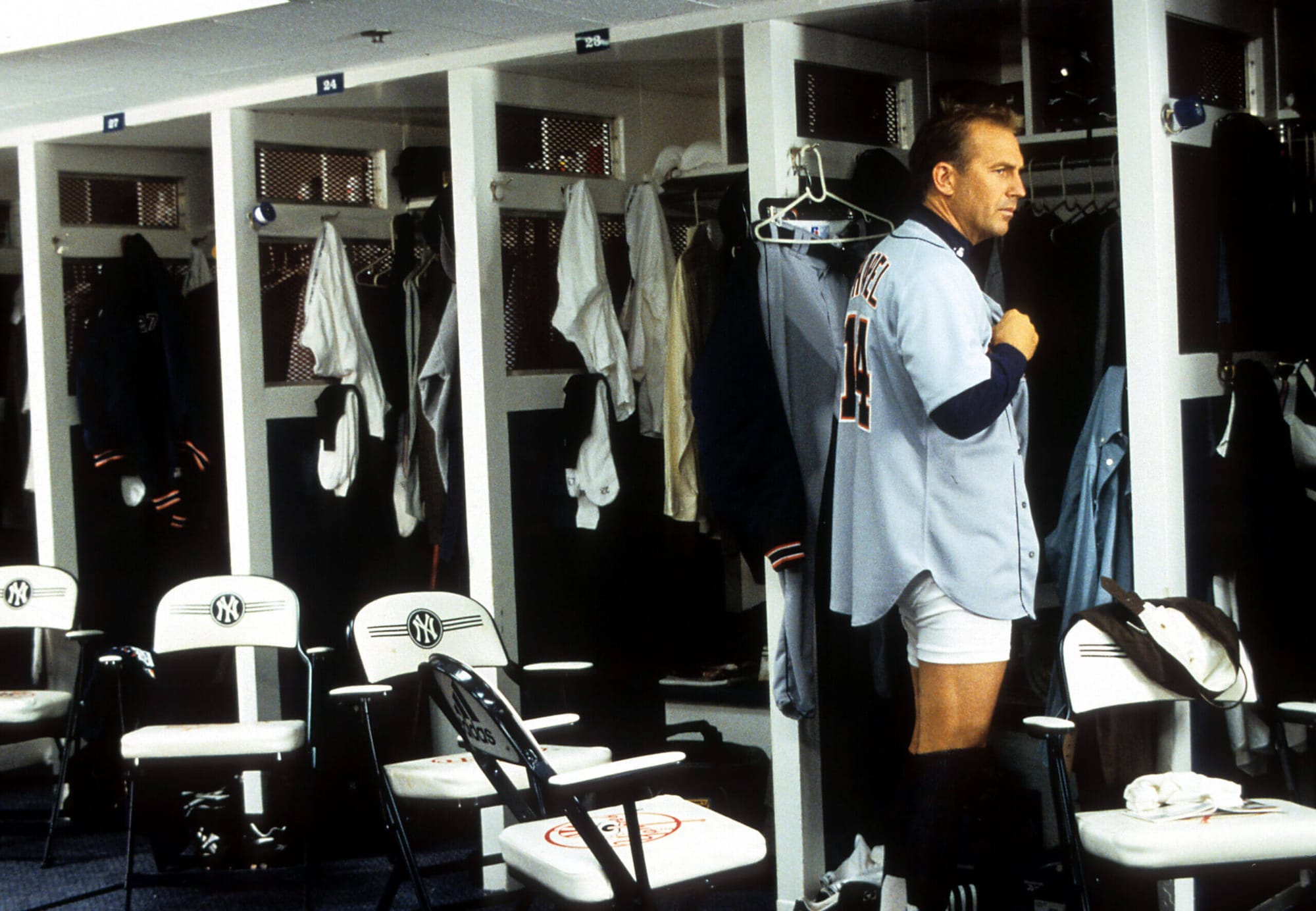
15. For Love of the Game (1999)
Save maybe for the occasional sequence when Billy Chapel (Kevin Costner), a veteran Detroit Tigers pitcher working on a perfect game, uses stylized meditation (“clear the mechanism”) to shut out the noise at Yankee Stadium, you’d never in a million years guess that Raimi was the director of this middling sports drama. By the evidence here, Raimi seems to be a baseball movie traditionalist, earnestly paying tribute to the solemn greatness of a veteran (and his catcher, also on the wane, played by John C. Reilly) capping a season and perhaps a career with a legendary performance in a meaningless game. But as appealing as that sounds—Raimi even brought in Vin Scully for the play-by-play—For Love of the Game is hampered badly by between-innings flashbacks that grinds the narrative into, well, a pitchers duel.
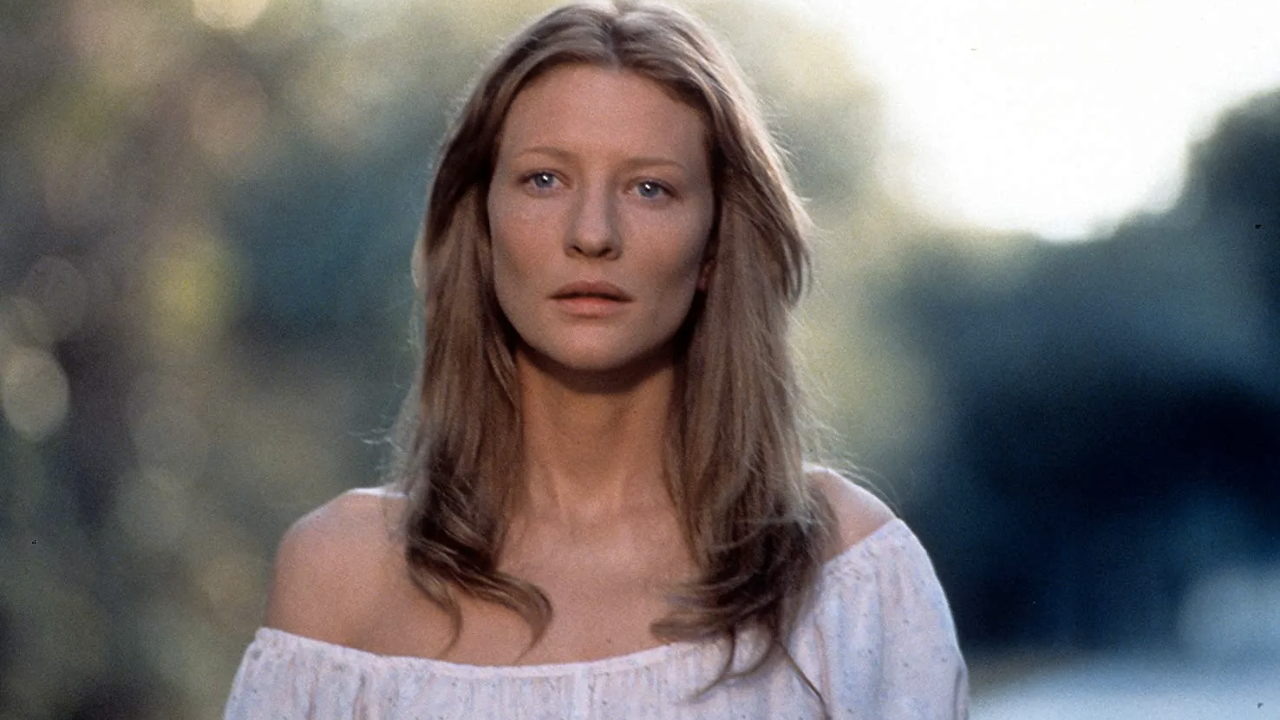
14. The Gift (2000)
Having directed Billy Bob Thornton to one of his best performances in A Simple Plan a couple of years earlier—see: way ahead on this list—Raimi turned to Thornton and his screenwriting partner, Tom Epperson, for a twisty thriller that would theoretically combine Thornton’s authentic feel for downscale Southern culture (as seen in One False Move and Sling Blade) with Raimi’s gothic atmosphere. Yet despite a big-name ensemble, led by Cate Blanchett as a clairvoyant whose insights figure into a murder investigation, The Gift feels nearly as constrained as For Love of the Game in trying to reconcile Raimi’s kinetic style with the bottled-up conventions of a mainstream whodunit. (And it’s not a particularly compelling whodunit, either: If you can’t guess the culprit the second after the murder happens, time to hang up the towel, Benoit Blanc.)
13. The Quick and the Dead (1995)
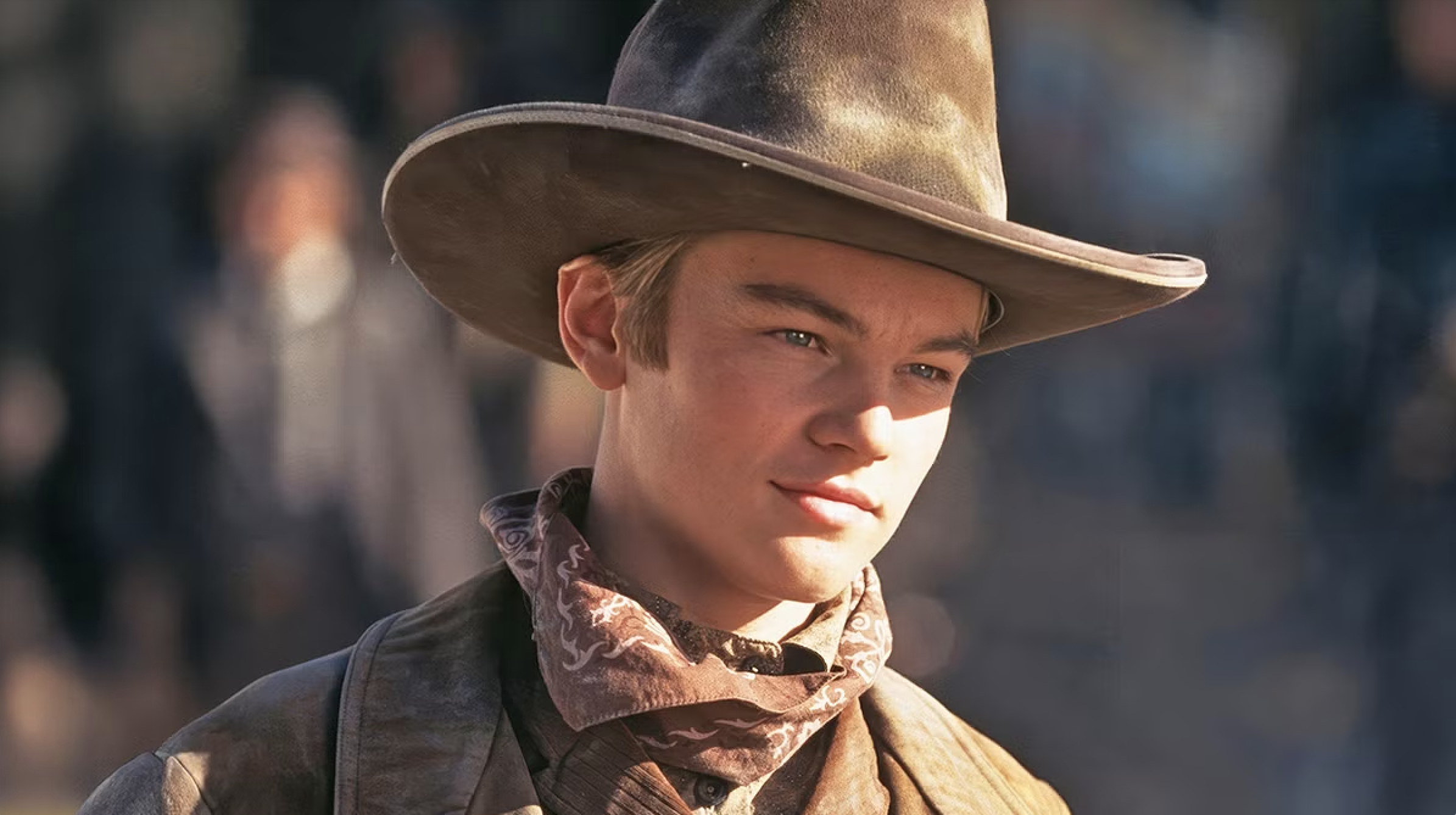
Everything about The Quick and the Dead sounds like it’s completely in Raimi’s wheelhouse: An energized spaghetti western where it’s always High Noon, shot with a Looney Tunes freneticism and a cast that features cult favorites (Lance Henriksen, Keith David), future superstars (Leonardo DiCaprio, Russell Crowe), and Gene Hackman all-but-reprising his role as the nefarious town honcho from Unforgiven. But despite some fun flashes, like Raimi’s handling of the many duels in a town’s shooting tournament or DiCaprio’s delightful preening as an über-confident gunslinger, The Quick and the Dead has too thin and repetitive a premise to work as more than a stylistic exercise. And Sharon Stone, a superstar at the time, is miscast as the one vengeful woman in a man’s world.
12. Oz the Great and Powerful (2013)
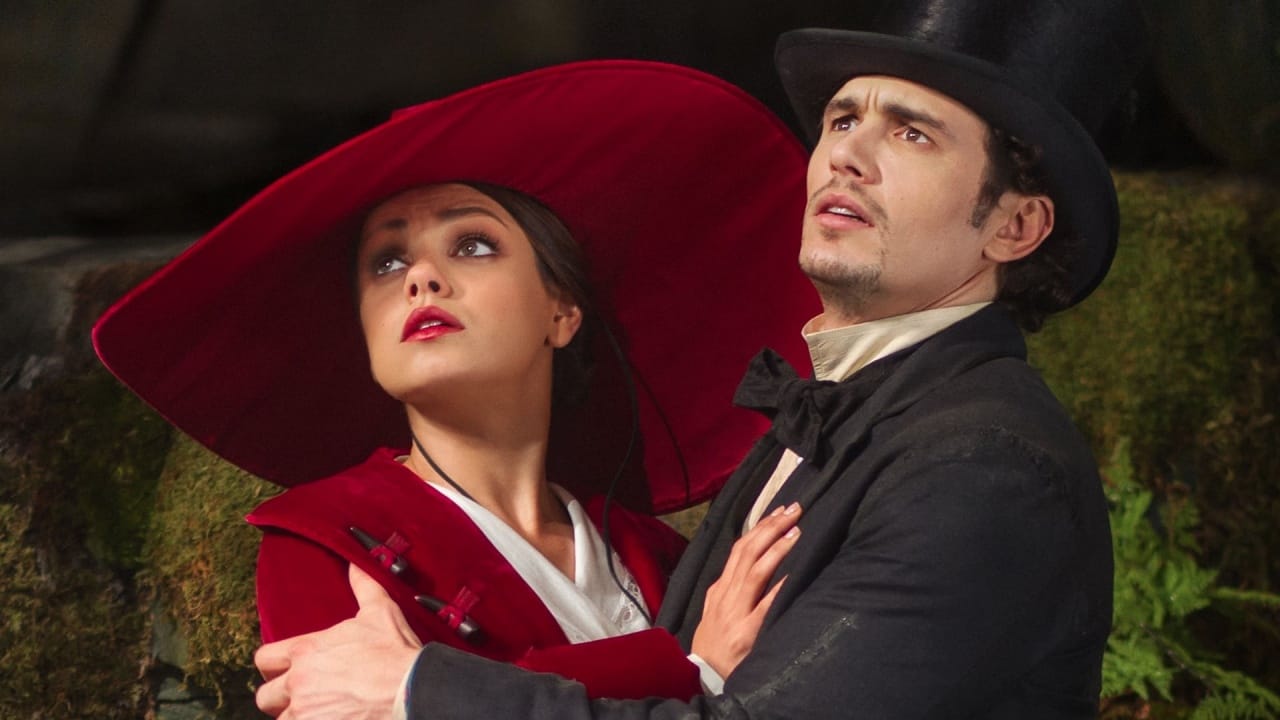
Though Raimi’s most expensive project to date opened to middling reviews—including one from yours truly—and only a modest return on investment from Disney, Oz the Great and Powerful looks slightly better now than it did from 2013, when it was on the tail end of a wearying 3D phase and seemed too aggressive in its visual energy and fractured-fairytale mythology. Granted, James Franco is not more welcome in 2026 than he was in 2013, but he’s reasonably well-suited to play a professor imposter who arrives in Oz as its prophesied leader and fakes his way into the role. The Raimi touch is apparent on the margins, like a school of water fairies that bite like piranha, and the women in the cast, Rachel Weisz and Michelle Williams especially, are powerful ends of the witchy spectrum. It’s just a little difficult for Raimi’s voice to eke through the franchise machinery.
11. Doctor Strange in the Multiverse of Madness (2022)
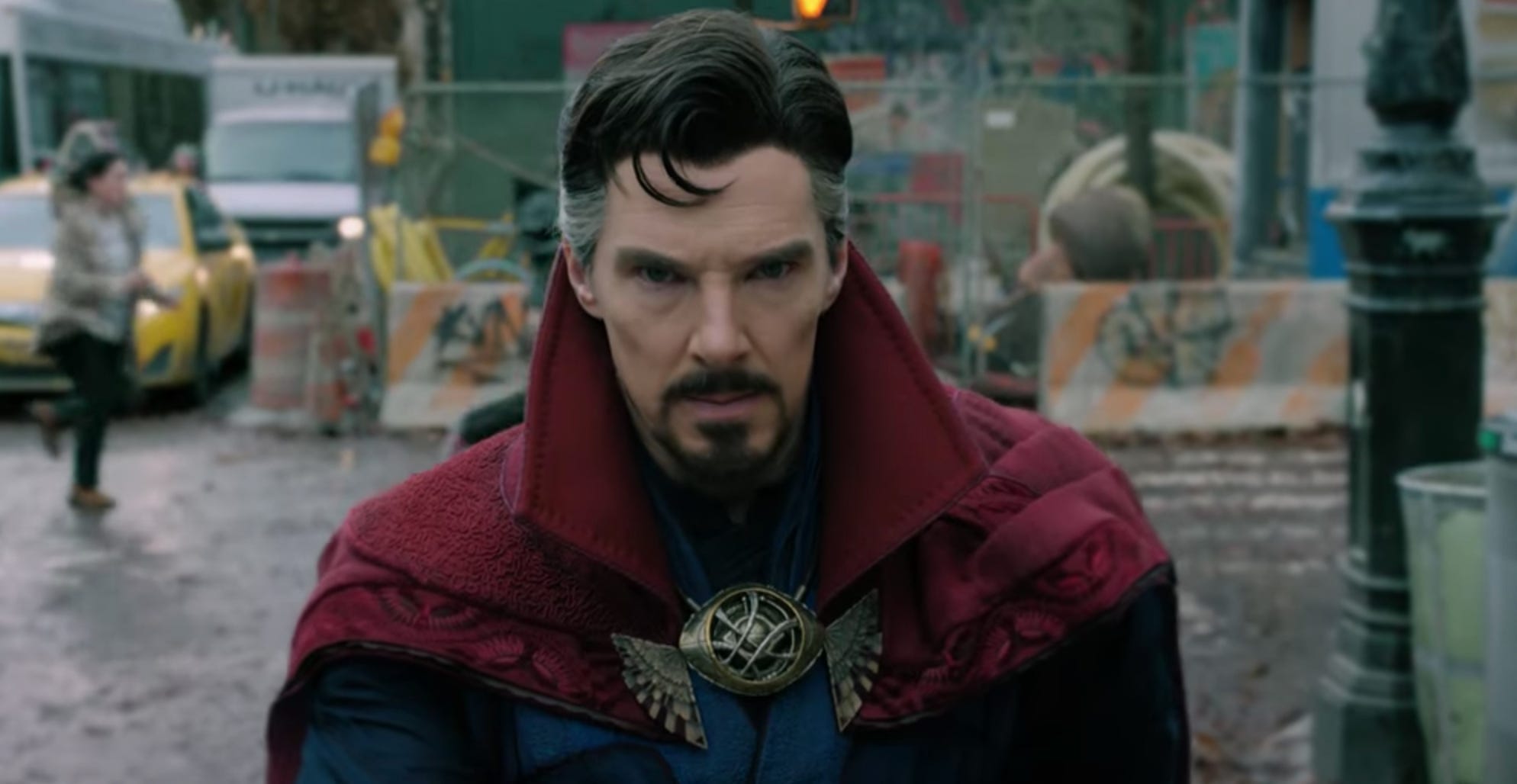
Speaking of Raimi’s voice struggling to eke through the franchise machinery, Doctor Strange in the Multiverse of Madness is the 28th film in the Marvel Cinematic Universe, part of a Phase Four scheme to incorporate Disney+ TV series and crack open “The Multiverse,” which is something Doctor Strange (Benedict Cumberbatch) has the errant magic to accomplish. The film is completely at war with itself: It’s hard to know whether to praise Raimi for asserting his manic, offbeat sensibility in a franchise built on uniformity and cohesion or lament that such a singular voice in modern genre filmmaking has been suppressed by the MCU machine. But at a moment when the MCU was in disarray and starved for personality, the multiverse concept allowed Raimi to carve out some space for himself.
10. Spider-Man 3 (2007)
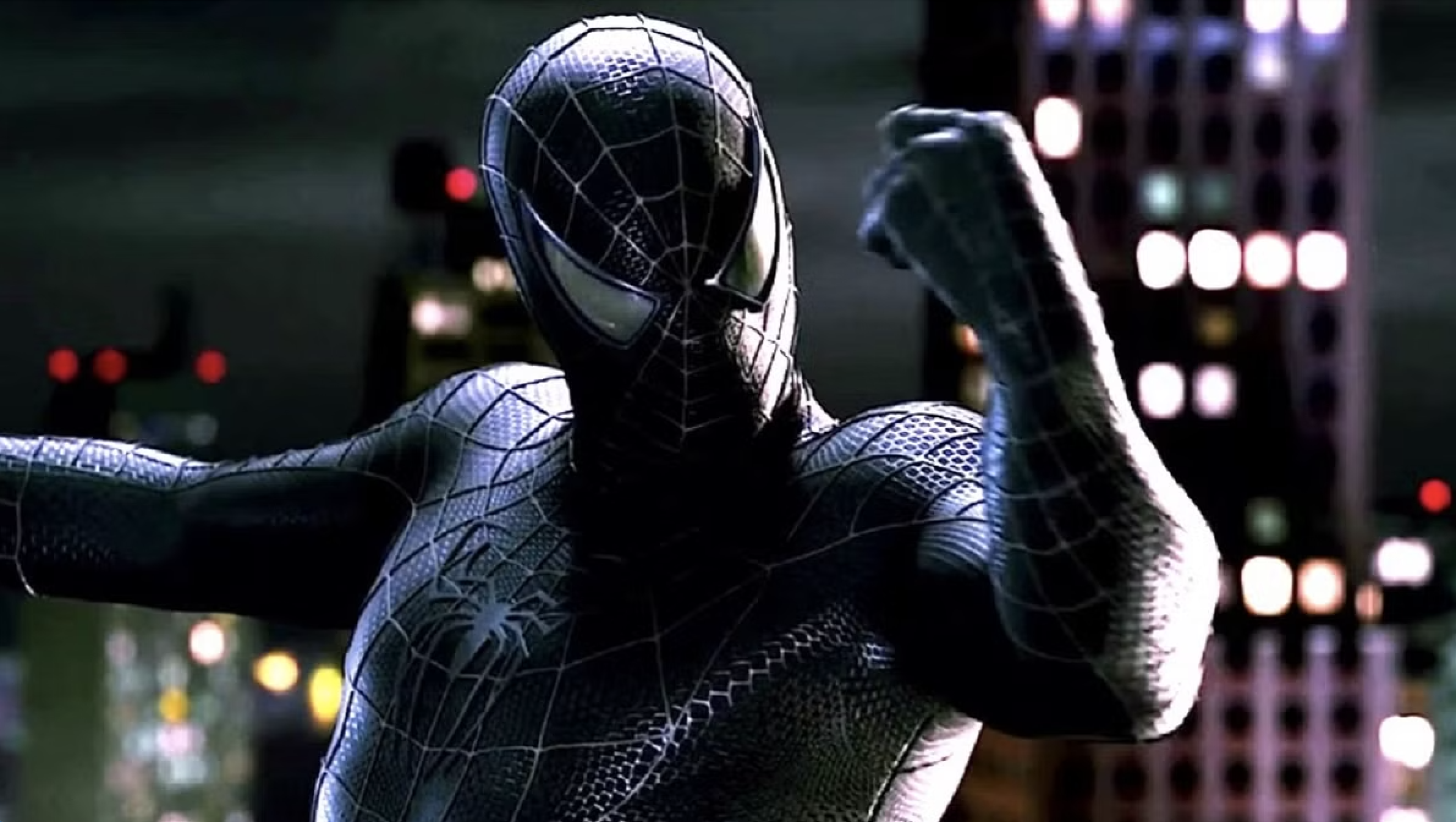
Raimi’s run of Spider-Man movies with Tobey Maguire as Spidey/Peter Parker remain a model of buoyant, energetic and emotionally resonant superhero movies that the MCU has imitated without ever quite surpassing. And yet even a series as light-on-its-feet as Raimi’s will inevitably take on bloat and Spider-Man 3, in its effort to keep growing the franchise and expanding its roster of villains for Parker to thwart, finally capsizes. With the vengeful Harry Osborn (James Franco) already in place, Raimi adds Sandman (Thomas Haden Church) and Venom (Topher Grace) to the mix, along with Bryce Dallas Howard as Gwen Stacy, but the subplots muddle up the once-clean storytelling and ends the series in fitfully satisfying fashion.
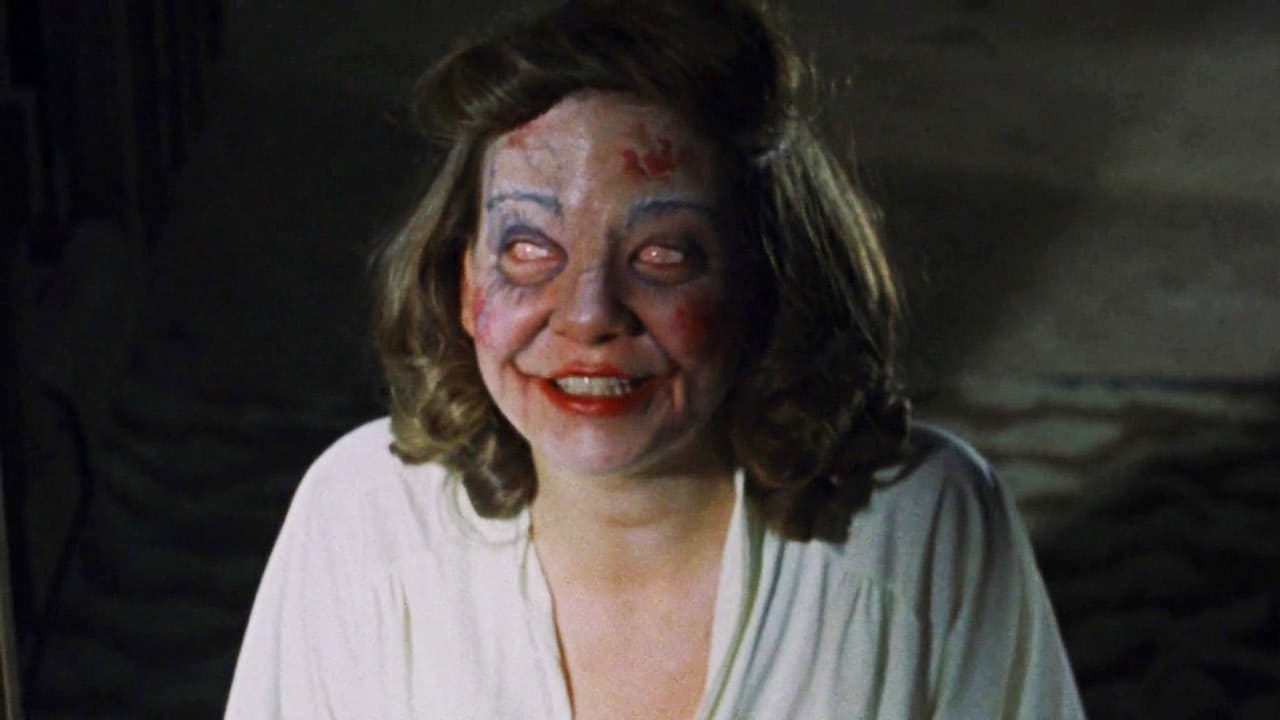
9. The Evil Dead (1981)
Had circumstances not led Raimi and his favorite star, Bruce Campbell, to essentially remake The Evil Dead as the vastly superior Evil Dead 2: Dead By Dawn six years later, it seems likely the original would have a higher place on this list. At the time, there was nothing quite like Raimi’s low-budget, cabin-in-the-woods freakout about five Michigan State students who inadvertently summon vile spirits through incantations from the Egyptian “Book of the Dead.” Through Raimi’s lens, major horror trends from the ’70s, like demon possession and slasher POV shots, are reimagined as a slapstick showcase of hyperkinetic camera movements and unhinged gore effects. Yet The Evil Dead was one of the notorious “video nasties” for a reason, and the tonal distress of, say, a woman getting raped by a tree, sours the experience a bit.

8. Send Help (2026)
As a modest, back-to-basics, throw-off-the-shackles movie from a director who’s been penned-in by Hollywood franchise filmmaking, Send Help is to Raimi as Red Eye was to Wes Craven, right down to the casting of a game Rachel McAdams in the lead role. In a Swept Away scenario for the age where bro culture and nepo-babies are ascendent, McAdams makes for a righteous protagonist as a corporate workhorse who’s passed over for a promotion by her young, unctuous new boss (Dylan O’Brien), but gets the upper hand when a plane crash strands the two of them on a deserted island. The shifting power dynamics between the two lead to some big twists and an audacious gamble on the audience’s sympathies. But an early scene where McAdams squares off against a boar makes it giddily obvious that Raimi is on his game.
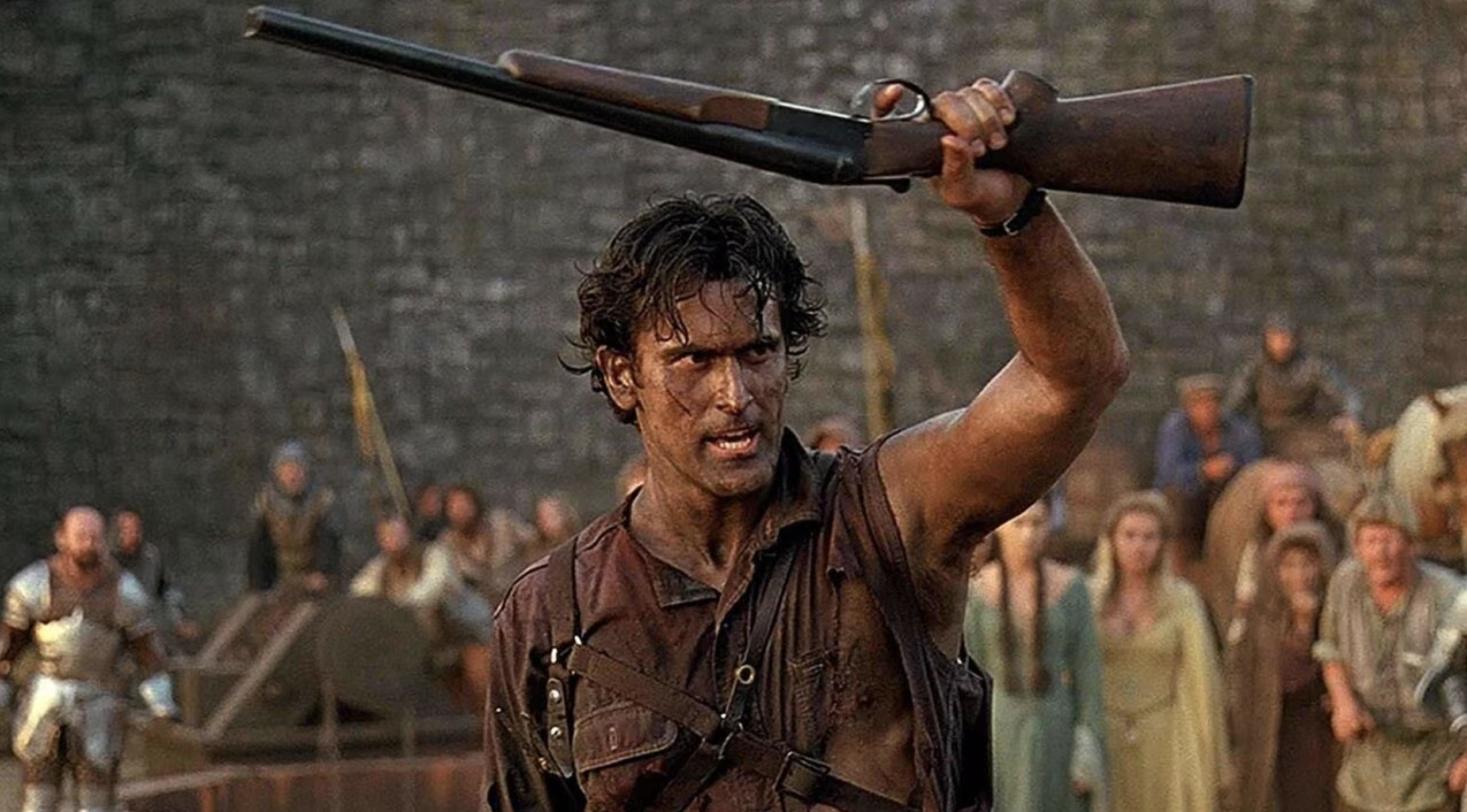
7. Army of Darkness (1992)
In the early ’90s, the VHS cult of Bruce Campbell and Evil Dead 2 had grown enough to convince Dino De Laurentiis to give $11 million to Raimi to complete the trilogy with Army of Darkness, which turned out to be an extravagant sum by franchise standards. And so Raimi, no longer limited to a tiny budget and a cabin in the woods, made his version of a Ray Harryhausen effects extravaganza, sending Ash (Campbell) back to the Middle Ages to do battle against waves of stop-motion Deadites, who once again torment him en masse. The basic Three Stooges formula refined by its predecessor applies to Army of Darkness, which increases Ash's swagger in direct proportion to the sheer number of skeletal beasties sent in his direction. The main difference here is that Raimi has a bigger sandbox and gets to play for 81 satisfying minutes.
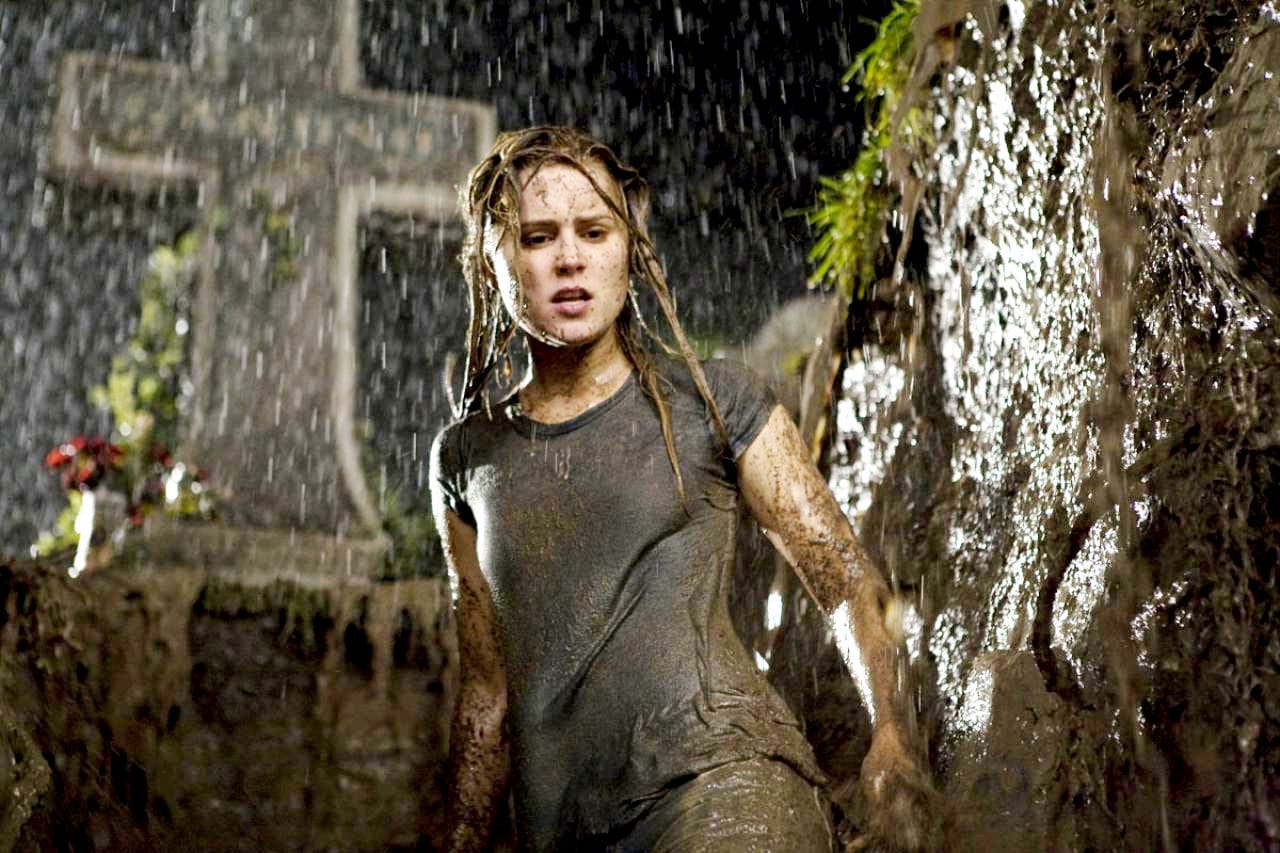
6. Drag Me to Hell (2009)
Much like the new Send Help, Drag Me to Hell was another throw-off-the-shackles moment for Raimi, who’d spent the previous seven years doing the Spider-Man movies and probably felt great swinging a lighter bat here. There’s a strong moral underpinning to Drag Me to Hell, too, tied to the curse that plagues a young loan officer (Alison Lohman) who tries to impress her boss by denying an old woman’s request for a payment extension. When the woman turns out to be a Romani witch, all hell breaks loose for her and she scrambles to save her soul, which exacts a steep cost of its own. Despite the restrictions of a PG-13 rating, Raimi turns the film into a de facto Evil Dead sequel, with Lohman’s plucky heroine beating back a supernatural onslaught. But her own sins are never quite resolved.
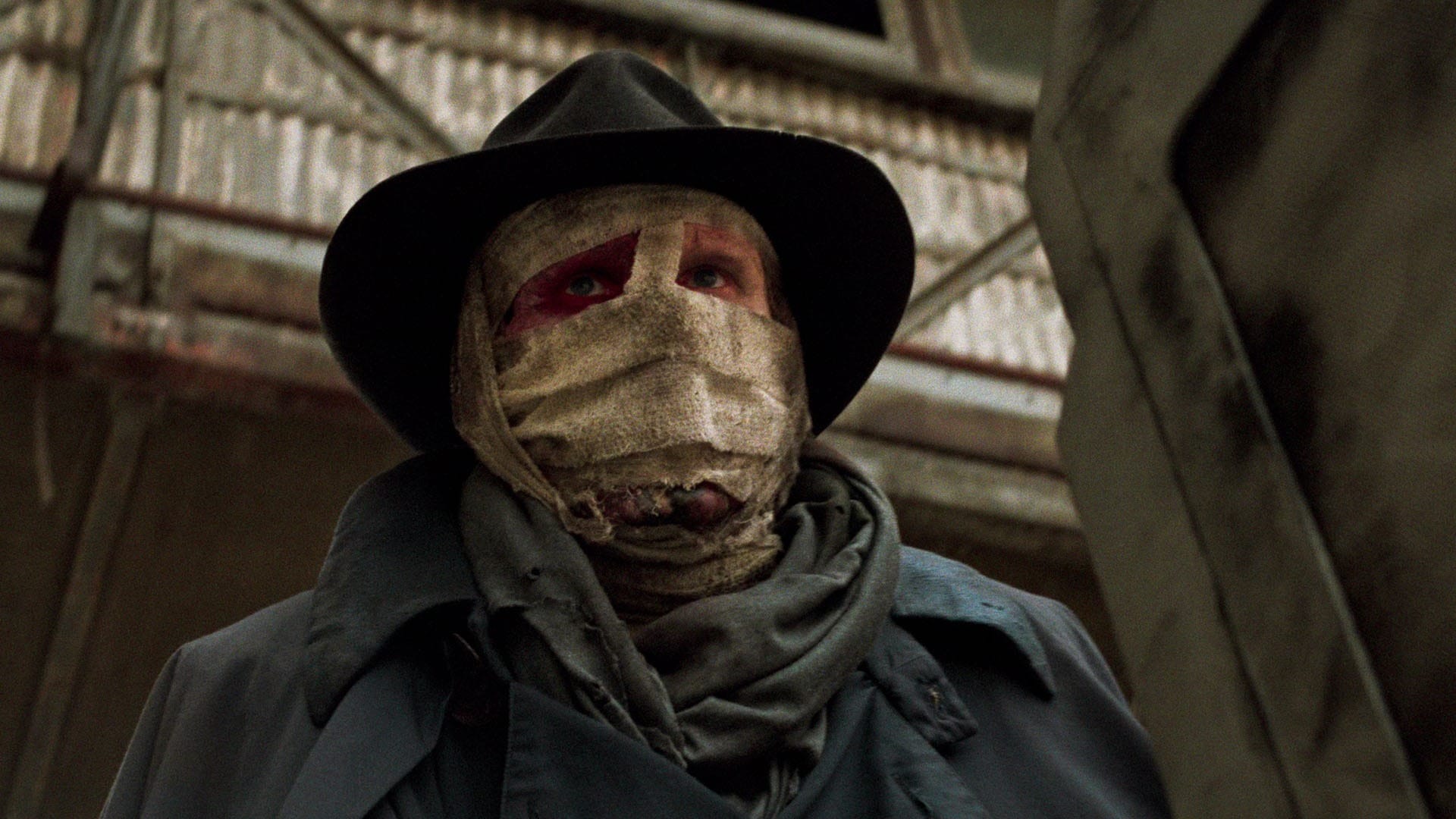
5. Darkman (1990)
“Who is Darkman?” Americans were asked that question throughout the summer of 1990, and not enough of them stuck around for the answer in late August. But Raimi does the near-impossible with this film and devises an original hero in Dr. Peyton Westlake (Liam Neeson), a scientist whose efforts to create synthetic skin draw attention from the wrong crowd, despite the skin disintegrating after 99 minutes. After a mob hit leaves him disfigured and vengeful, Westlake returns to the lab to perfect his invention and exact revenge on the goons who ruined his life, which leads to great spasms of comedic violence from Raimi. (The perfect budget for Raimi is just enough studio money for him to play around without anyone looking over his shoulder.) What sets Darkman apart, however, is how emotional its hero is, which gives him a unique volatility and an identifiably human set of flaws.
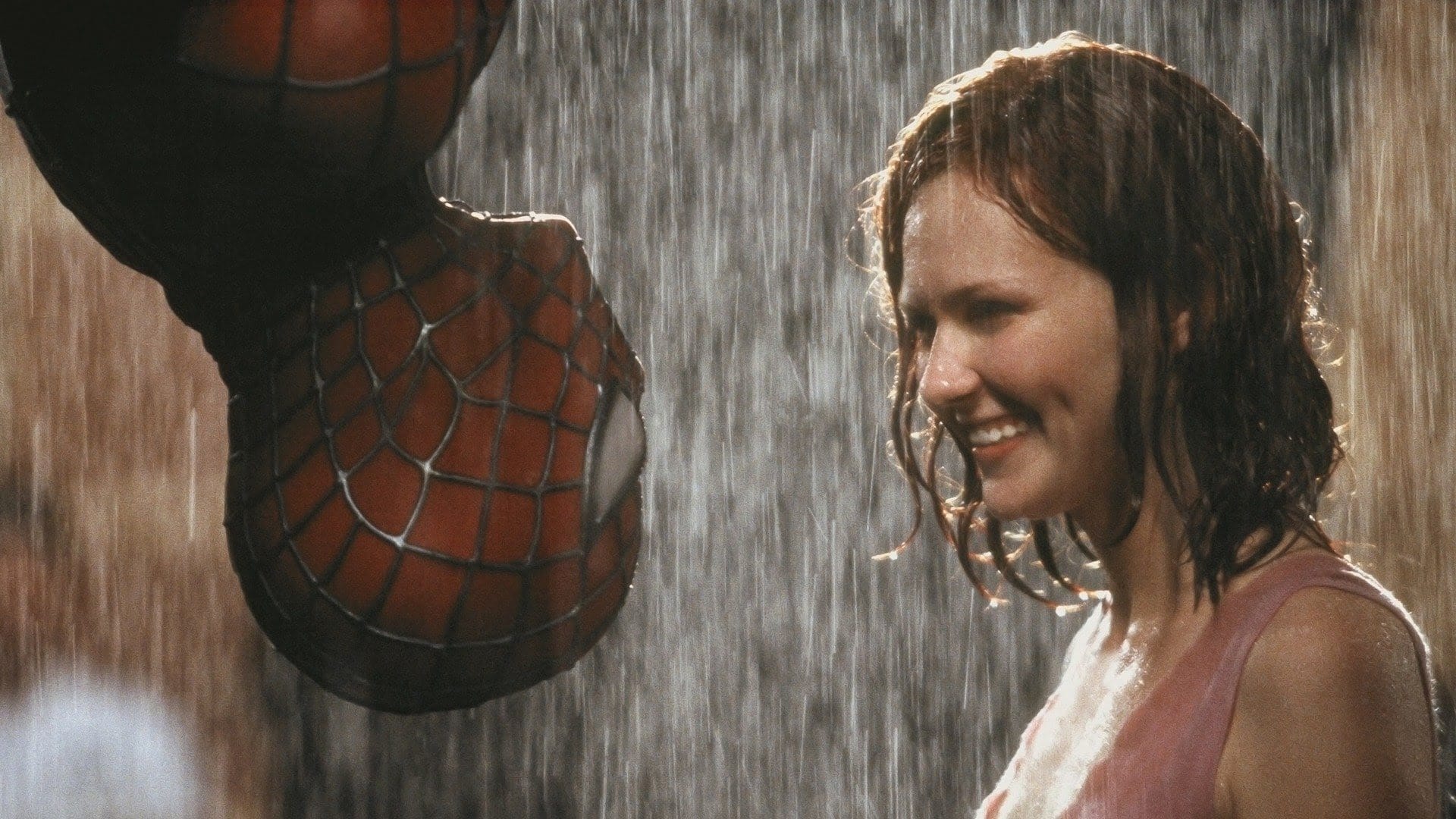
4. Spider-Man (2002)
It’s hard to remember a time when the superhero movie was not the most bankable prospect in Hollywood, but Raimi’s Spider-Man was the true watershed moment that brought the subgenre back from a shambles of careless rights approvals to become a rousing box-office juggernaut. Though the film’s digital effects look more rudimentary now than they did in 2002, Raimi’s careful attention to Spider-Man iconography and character work pays dividends across the board, starting with the idea of casting the taciturn Tobey Maguire as Peter Parker and giving this modest kid time to ease into his great powers and great responsibility. As with Darkman, there’s an emotional depth to Spider-Man that brings this super-powered being down to earth, and the film is further enriched by a strong villain in Willem Dafoe’s Green Goblin, Raimi favorite J.K. Simmons as Parker’s editor/foil at the Daily Bugle, Kirsten Dunst as Mary Jane, whose girl-next-door vivaciousness is the right counterbalance to Maguire.
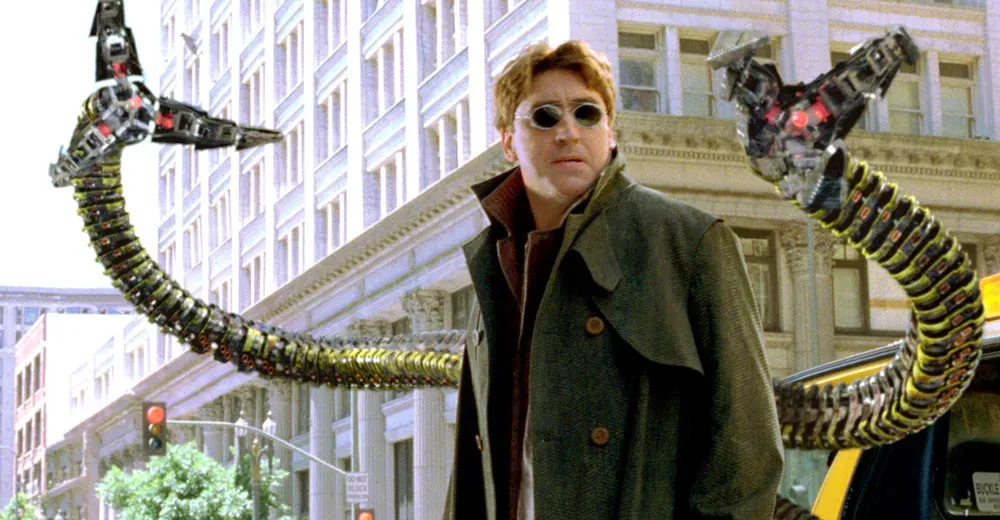
3. Spider-Man 2 (2004)
Is there a better superhero villain than Alfred Molina as Dr. Otto Octavius a.k.a. Doctor Octopus? (This is a rhetorical question, because the answer is “no.”) Octavius is a variation on the Dafoe type from the first Spider-Man, a scientist whose arrogance and megalomania leads him from a failed attempt to create a new energy source to a successful attempt to turn himself into a monster with mechanical tentacles. The effects in Spider-Man 2 are not only an improvement on the first film but cleverly folded into Octavius’ characterization, as his tentacles take on a sinister sentience that the doctor cannot control. The film also pays off the dreary, day-to-day burden of Parker’s new life as a superhero, which magnifies public pressure and scrutiny on him while preventing him from enjoying anything like a normal life. The stretch where Parker decides simply to hang up the Spidey suit is the funniest in the series, and it pays off later when he recommits to the city and they get to show their love for him, too.
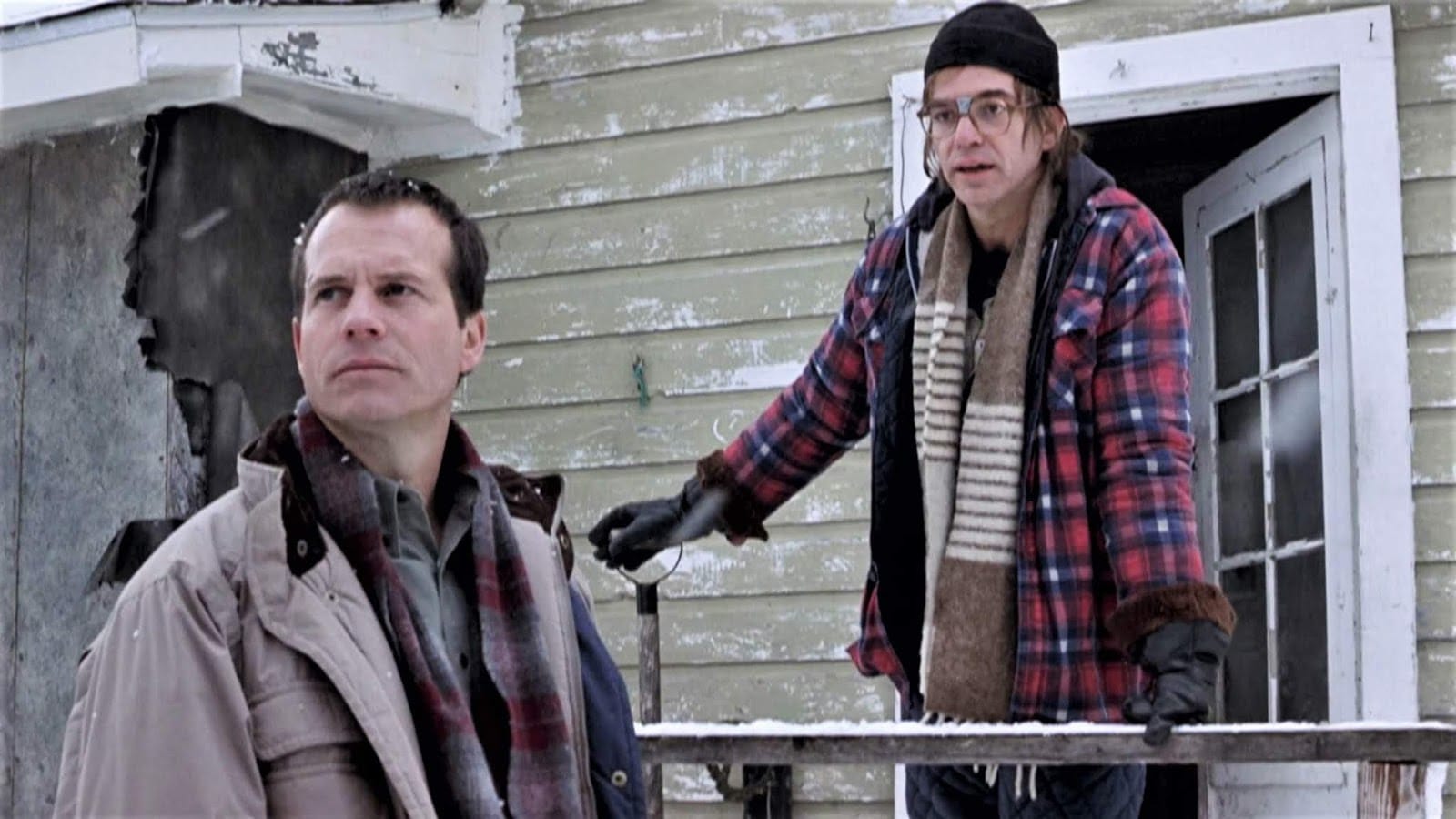
2. A Simple Plan (1998)
Given Raimi’s maximalist instincts, it’s a bit surprising to see him reduce some of the pulpiness of Scott Smith’s gripping crime novel about three men who decide to split the $4.4 million in cash they discover from a downed plane in rural Minnesota. Inevitably, some bad people turn up looking for the money, which stokes tension and mistrust within the group, particularly between two brothers, played by Bill Paxton and Billy Bob Thornton, who have never seen eye-to-eye on anything. A Simple Plan feels like Raimi’s attempt to do his own Fargo three years after his buddies, the Coens, made an instant neo-noir classic, and he handles the snowy setting and escalating violence with near-equal aplomb. But what sets A Simple Plan apart are Paxton and Thornton’s performances, which suggest both the pronounced distance between these siblings and the brotherly love that tragically binds them together.
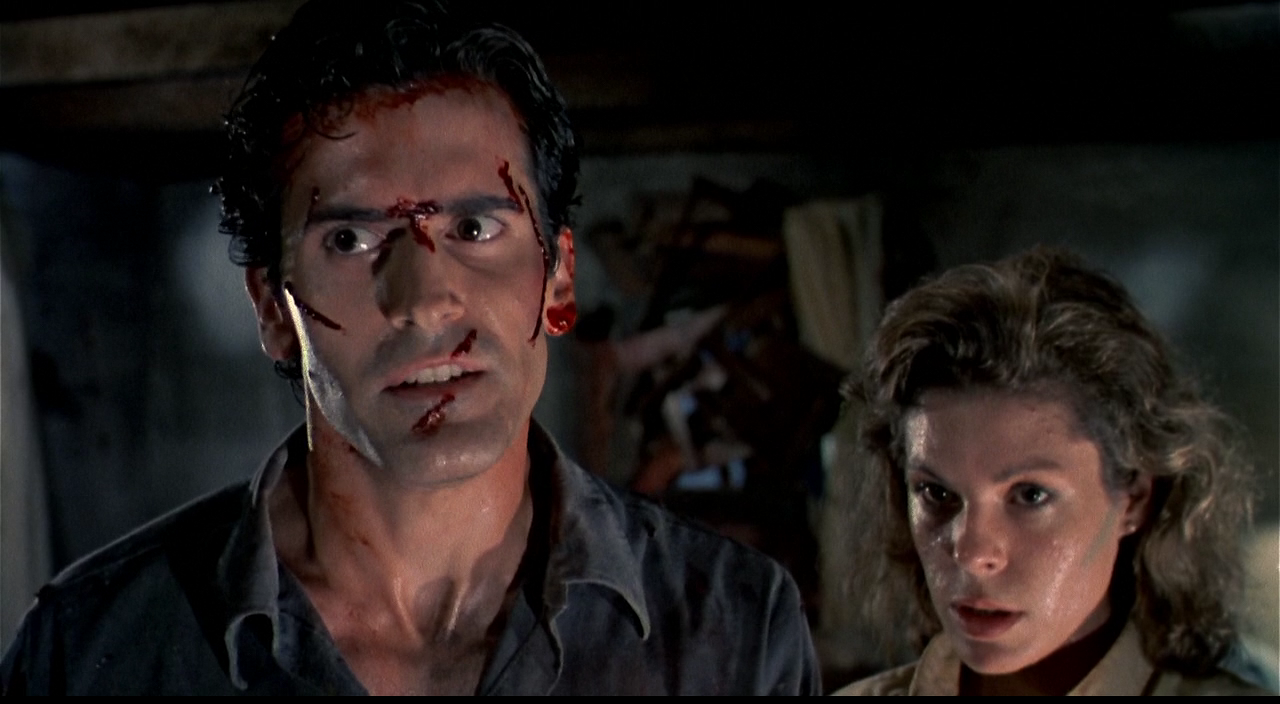
1. Evil Dead 2: Dead By Dawn (1987)
Every year in the Midnight Madness section at TIFF—and presumably in the midnight-movie programs at other major favorites—there are always a handful of mostly disposable horror movies that delight the audience by throwing them a slab of red meat, usually in the form of fast-paced, often cartoonishly bloody spasms of violence. The high all these movies are chasing but will never catch is Evil Dead 2: Dead By Dawn, a sequel-cum-remake of The Evil Dead that’s deliriously inventive and hilarious, the hand-made gorefest that turned Bruce Campbell into a rubber-faced cult icon. POV shots of eyes flying into mouths. Blood shooting out of the wall like seltzer from a clown’s corsage. Ash locking that modified saw into his stump of an arm. In a word: “Groovy.”


Discussion