Catching Up with the Critics 2026 (All Docs Edition)
A bonus edition of the column takes in more of a special year for nonfiction filmmaking.


Though we haven’t quite reached the end of year, it’s not too early to declare 2026 a watershed year for documentaries. The critical and commercial success of You Can See Everything, Nathan Fielder and Lance Oppenheim’s prismatic hybrid doc on Elizabeth Holmes, turned nonfiction into a rare cultural event. It also challenged the form, defying the trend toward quick-hit streaming docs in favor of a more personal, idiosyncratic, and cinematically arresting style. That’s true of two other films that will be in contention for my best-of list: Ross McElwee’s Remake, a devastating essay-film about the death of his son, and John Wilson’s The History of Concrete, a quirky and hilarious yet sneakily substantive doc about our crumbling infrastructure. Even Lee Chang-dong’s excellent new film Possible Love questions the ethics of a documentary filmmaker whose camera is nearly as invasive as the one in Michael Powell’s Peeping Tom.
And yet that’s just the tip of the iceberg. Since 2021, I’ve been writing two columns a year on critically acclaimed films I missed during their theatrical release, and many of those films have subsequently made my Top 10 list. (All of those columns are now tagged under “Catching Up with Critics,” so you can find them all in one place. These include an earlier conception based around Metacritic scores.) While I still intend to follow up my “Catching Up with the Critics” piece from June with a Part II next month, the wave of major documentaries I’d missed had gotten too big to ignore. So here’s a special all-docs version with four possible year-end list contenders championed by trusted critics, plus a bonus fifth on junkier one that addresses a person obsession:
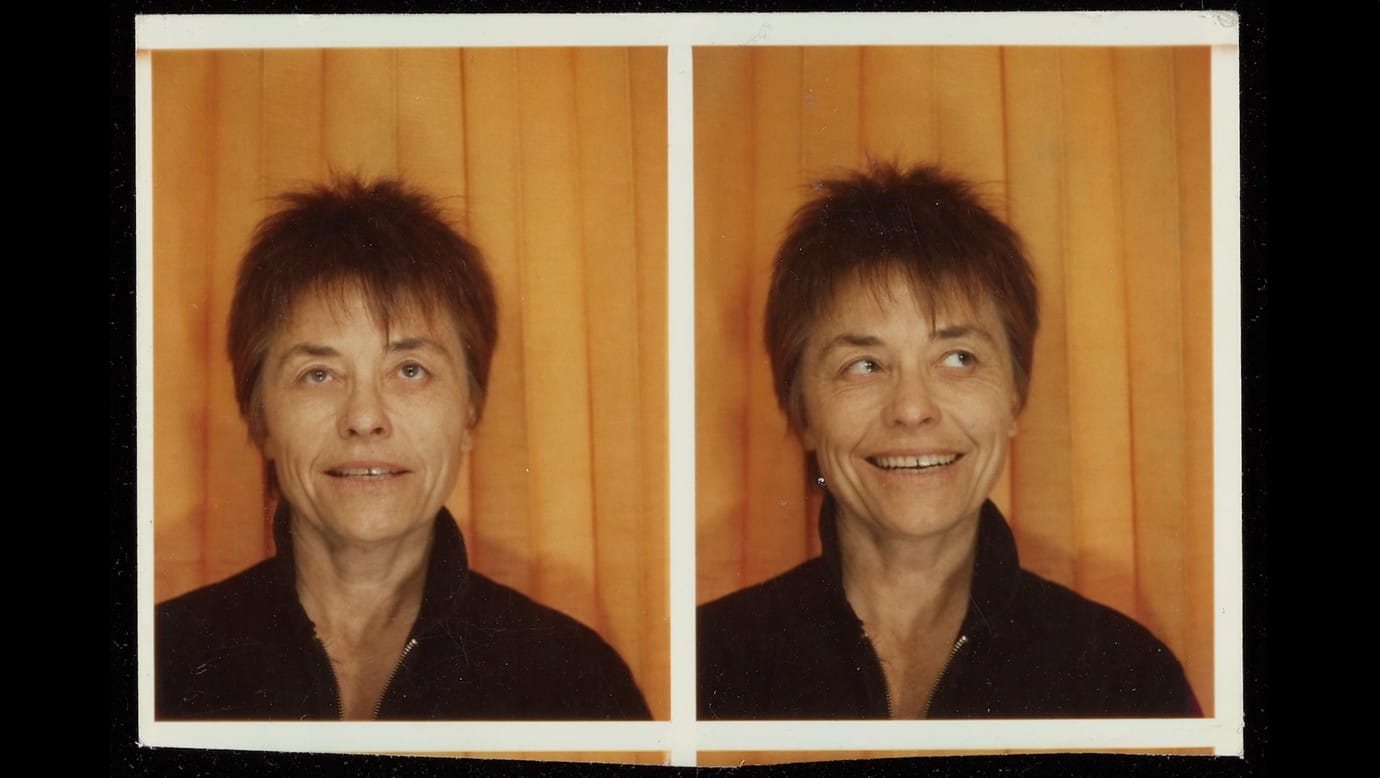
Barbara Forever (dir. Brydie O’Connor)
The critic: Alissa Wilkinson, The New York Times
How to watch: In theaters. Dates can be found here.
List-worthy?: Honorable mention.
Premise: Drawing on a large archive of avant-garde work from the mid-’70s forward, as well as audio interviews and other archival material, Brydie O’Connor’s documentary makes the case for Barbara Hammer as a pioneer of the New Queer Cinema movement.
Alissa’s thoughts: “While the film isn’t exactly experimental, it does seem impressionistic and dreamlike for long stretches. We get more of a feel for Hammer’s aesthetic than her particular filmmaking techniques, and glimpse her life through the way she chose to film it. At one point, she talks about ‘making art out of life.’ As Barbara Forever shows, she absolutely succeeded.”
My thoughts: After Todd Haynes’ Poison won the top prize at Sundance in 1991 and found a significant audience in arthouses, the New Queer Cinema movement would have a watershed year at the festival in 1992, with a slate that included Swoon, The Hours and Times, and The Living End. Though Barbara Hammer’s most widely known film, Nitrate Kisses, would tour the festival circuit that year, it arrived at Sundance in 1993 as its own radical, idiosyncratic thing, a 67-minute avant-garde documentary that mixed gay and lesbian history with explicit sex and sections on Willa Cather and the Third Reich. Strand Releasing, now a longstanding distributor of indie and foreign-language films, was only a few years old when it picked the film up for release, and the Strand label is again on Barbara Forever, a powerful argument for Hammer as an indomitable force for lesbian filmmaking.
Enjoying The Reveal? Now's a great time to become a paid subscriber. You'll get access to everything we publish—from articles to audio commentaries—and help support independent film criticism.
In a sense, Hammer’s compulsion to put herself on screen, literally and figuratively exposed, makes this documentary feel like the culmination of her life’s work, an ongoing experiment in autobiography that now has a beginning, an ending, and cohesive set of images and themes to tie it all together. Barbara Forever details her heteronormative past, with a mother who saw her as the next Shirley Temple and a marriage that ended in the mid-1970s, after which she turned the revelation of her lesbianism into a revolution, relentlessly exploring its freedoms and pleasures while developing a raw, tactile visual sensibility. Hammer wanted to be known, and the film is her last, defiant argument for personal filmmaking.
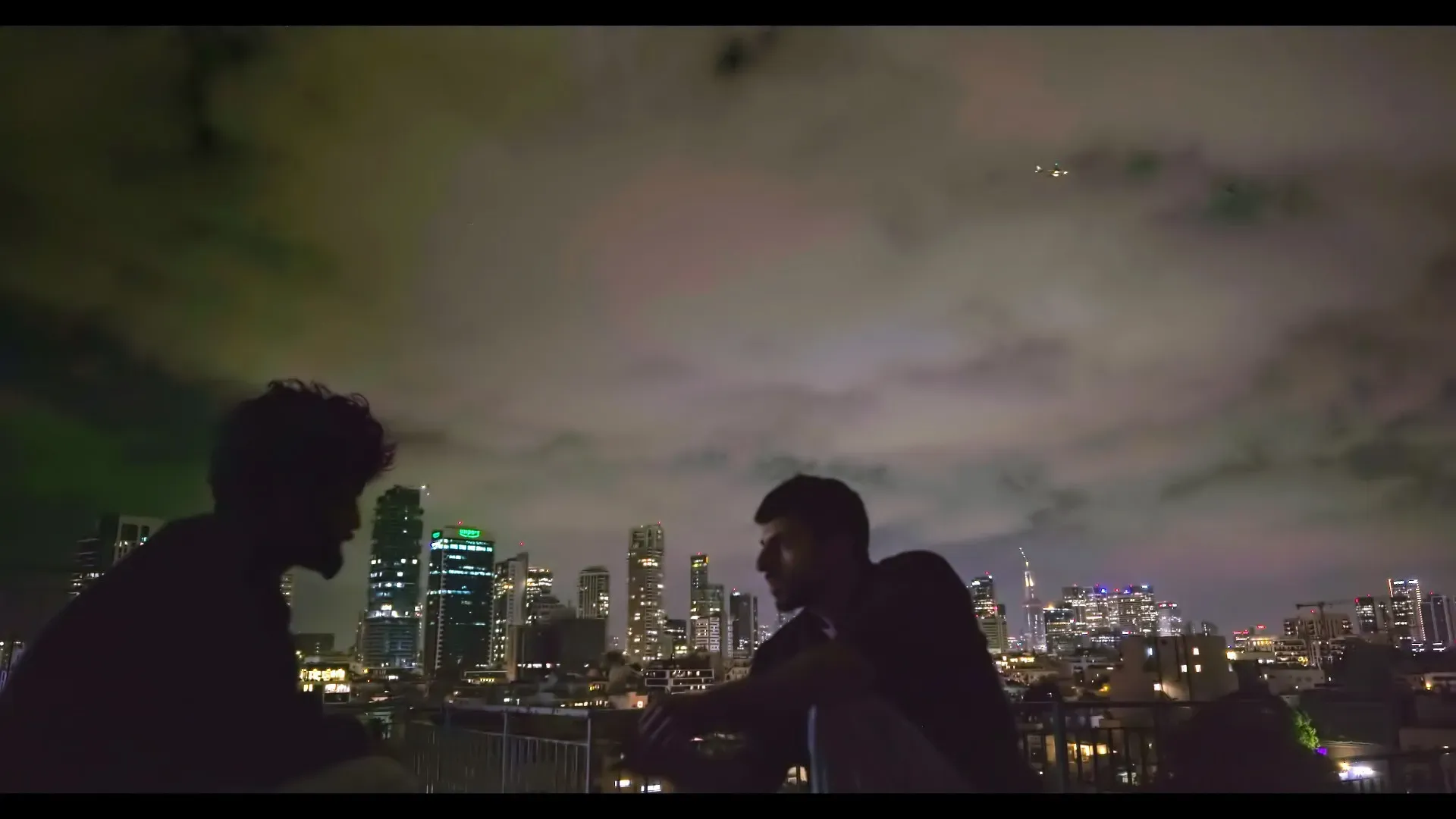
NAZA (dir. Yuval Abraham, Rachel Szor)
The critic: Bilge Ebiri, Vulture
How to watch: In theaters now. Rolling out to more theaters via Neon. Will be available for free on Guardian, which helped produce the film, at the end of November.
List-worthy?: Yes.
Premise: In their follow-up to No Other Land, the Oscar-winning documentary they made in collaboration with Palestinian filmmakers Basel Abra Hamdan Ballal, Abraham and Szor interview 24 disillusioned Israeli soldiers and intelligence officers about the country’s conduct of the war in Gaza. Their testimony reveals a systematic campaign of bombings that has leveled buildings and left over 75,000 Palestinians dead.
Bilge’s thoughts: “The spare, focused style of NAZA has a grim, artful beauty, all in service of the subject matter. The results are impossible to shake. The style is purposefully antiseptic; aside from one brief section of footage from Gaza toward the end of the film, there’s nothing graphic here. And yet, I nearly threw up.”
My thoughts: It isn’t easy to separate your moral and political feelings over the real-world events depicted in a documentary like NAZA from your feelings about it as a work of art, especially when its allegations of genocide are so immediate and explosive. (An Israeli government minister even threatened to strip Abraham and Szor’s citizenship over it.) Yet NAZA, like No Other Land, is persuasive as both filmmaking and agit-prop, leaning on the simple yet evocative conceit of Abraham and his subjects sitting atop tall buildings in Tel Aviv at night while reminders of the war flicker behind apartment windows and occasionally light up the sky.
The “NAZA” of the title refers to the number of civilians surrounding a military target, which informs the calculation of how many innocent lives are worth sacrificing in order to kill a Hamas member. The raw numbers point to a genocidal recklessness, but the film gets much more granular than that, describing a surveillance system that’s tracked Palestinians since the communications infrastructure was built in the 1970s and is now enhanced by the latest advancements in hacking and generative A.I. (Among the many standout details: A.I. using the child’s phrase “Where’s Daddy?” to figure out when to target a home and commanders screening the 2015 Aaron Paul/Helen Mirren thriller Eye in the Sky to argue for their military’s moral authority.) Abraham and Szor arrange the interviews methodically, like pieces in a puzzle, and only in the end, when they finally complete the picture, do we get the full breadth of the horror they’re describing.
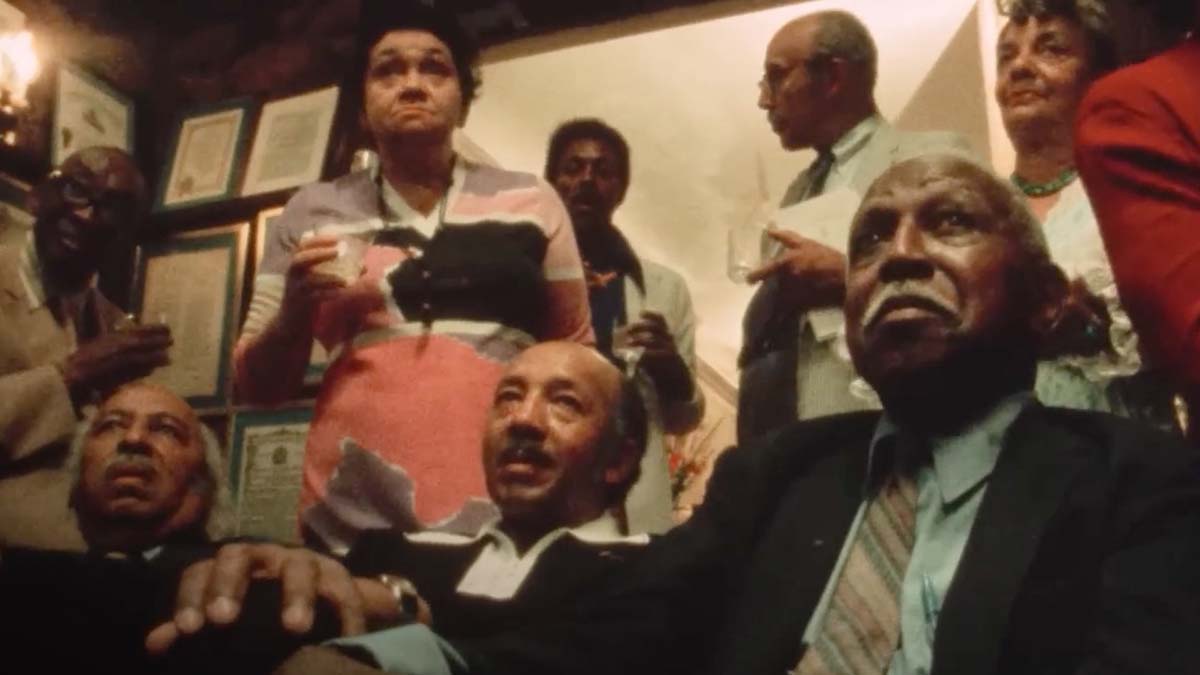
Once Upon a Time in Harlem (dir. William and David Greaves)
The critic: Keith Phipps, The Reveal
How to watch: In theaters.
List-worthy?: Honorable mention
Premise: In 1972, the living luminaries of the Harlem Renaissance of the 1920s and ‘30s were invited to a cocktail party at Duke Ellington’s townhouse, where they reflected on the history, music, poetry, and art that emerged from the scene at the time. Filmmaker William Greaves (Symbiopsychotaxiplasm: Take One) arranged for the reunion and brought in a crew to shoot and record the event on 16mm, but this documentary wasn’t completed until 50 years later, when his son David, in collaboration with preservationists, archivists, and editors, put the film together out of 30 hours of footage.
Keith’s thoughts: “It’s a look at a fascinating and important chapter in American history as told by those who think of it less as history than a time and place shaped by Black art and achievement like no time and place in America ever had been before.”
My thoughts: Like many parties, Once Upon a Time In Harlem doesn’t really get going until the liquor flows, the conversation loosens, and the cordial introductions give way to a more lively and contentious free-for-all. Credit the younger Greaves, however, for the efficiency of the table-setting necessary to familiarize the audience with the various attendees at Ellington’s home, which include painters, historians, activists, and poets who are given split-screen introductions that establish their importance through images or excerpts from their work. (Or their husband’s work in the case of Ida Mae Cullen, who makes absolutely certain that Countee Cullen is regarded among the greats.)
At a minimum, William and David Greaves offer a snapshot of this historical moment where many Harlem Renaissance figures were reuniting for the first (and maybe last) time in years. But Once Upon a Time in Harlem doesn’t confine itself to the mantelpiece, because once these personalities start talking and have conflicting ideas about what the era meant, the film suggests the difficulty of people finding perspective on the history they helped create. The Harlem Renaissance meant something to all of them, to be sure, but the particulars are up for debate.

My Undesirable Friends: Part II — Exile (dir. Julia Loktev)
The critic: Sam Adams, Slate
How to watch: Mubi.
List-worthy?: Honorable mention.
Premise: The second part of Julia Loktev’s mammoth documentary—the first is five hours, the second is six, though each are roughly segmented by the hour—My Undesirable Friends: Part II — Exile picks up where the first part, Last Air in Moscow, left off, with a group of independent Russian journalists scattering to the winds after the Russian invasion of Ukraine wiped out their already-limited press freedoms. Once broadcasters on TV Rain, they’re left to scramble for new homes and for new means to do their work.
Sam’s thoughts: “Exile lacks the shaggy hangout charm of its predecessor—its characters are now permanent remote workers, involuntary digital nomads hosting podcasts with colleagues Zooming in from Ukraine. But we gain more insight into who they are as individuals, and the differences in their backgrounds are thrown into stark relief by their change in circumstance.”
My thoughts: There are no moments in My Undesirable Friends: Part II that have the urgency and terror of TV Rain finally losing its toehold as an independent presence in Russia, which was the inevitable conclusion to the propaganda campaign leading up to the invasion of Ukraine. Though Exile does capture the frantic scramble of young journalists deciding to leave their homeland, perhaps forever, within a few previous hours, the aftermath is more of a slow burn, as they acclimate to places they don’t know—from Istanbul to Tbilisi to Tel Aviv to the frontlines in Ukraine itself—and improvise ways to continue to offer news and commentary. (TV Rain itself continues to broadcast out of Amsterdam.)
Loktev, a Russian-American whose work includes the brilliant fiction films Day Night Day Night and The Loneliest Planet, aligns herself closely to her subjects, which offers the odd sensation of experiencing history from cramped apartments and video calls. As ever, the courage of their convictions are an inspiration to journalists and truth-seekers who refuse to bow to fascism, but equally striking is their sense of dislocation. They were rejected from their home, but they all long to find it again someday.
Bonus Doc
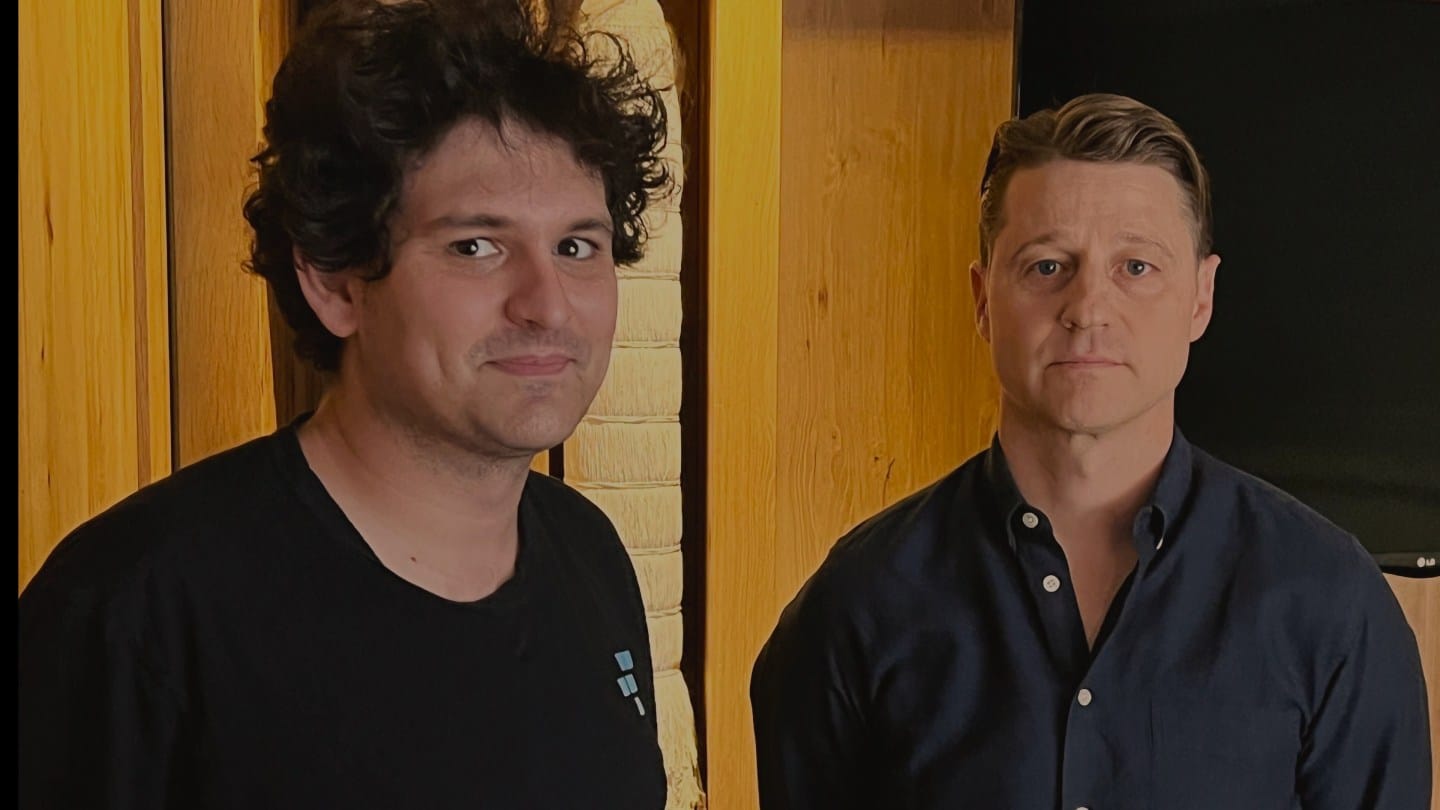
Everyone is Lying to You for Money (dir. Ben McKenzie)
The critic: Owen Gleiberman, Variety
How to watch: Prime Video (buy or rent only), Kanopy.
List-worthy?: Not even close.
Premise: Best known for his role as bad-boy Ryan Atwood on the early-aughts primetime soap opera The O.C., actor Ben McKenzie puts his economics degree to good use in this exposé about cryptocurrency fraud and the ordinary investors who are victimized by it.
Owen’s thoughts: “A lively, knife-sharp, impeccably researched and reported documentary that answers every conceivable question you’ve ever had about crypto, and does so in a way that’s brisk and funny and illuminating rather than intimidating.”
My thoughts: Ever since reading Zeke Faux’s terrific 2023 book Number Go Up: Inside Crypto’s Wild Rise and Staggering Fall, I’ve developed a mild obsession with cryptocurrency, a digital asset that still persists, despite being an obvious scam that’s been allowed to happen in plain sight. (The “Staggering Fall” part of Faux’s title has a real “reports of my death have been greatly exaggerated” feeling in our current scam-conomy.) Following up on his (and journalist Jacob Silverman’s) book Easy Money: Cryptocurrency, Casino Capitalism and the Golden Age of Fraud, McKenzie strikes a comic first-person crusader in mold of Michael Moore or Morgan Spurlock as he surveys experts and victims, and chases down an interview with now-convicted FTX guru Sam Bankman-Fried. There’s a surface-level sheen that McKenzie’s film never gets past, but he’s good at cutting through the complicated mythos and smokescreens of the crypto industry. Consider it a public service.


Discussion